
Handling Refrigerant at End of Life: What the Law Requires
Handling refrigerant at the end of its life isn’t just good practice, it’s federal law. Improperly venting or dumping refrigerant carries steep penalties, and the rules keep tightening as the EPA extends its regulations to next-generation fluids. This guide covers the venting prohibition, how recovery works, your options for reclamation versus disposal, and the recordkeeping that keeps contractors and distributors compliant.
The Venting Prohibition: The Rule That Governs Everything
Section 608 of the Clean Air Act makes one thing clear: you cannot knowingly vent (release) refrigerant to the atmosphere during service, maintenance, repair, or disposal. Originally, this rule only covered ozone-depleting refrigerants like R-22. However, the EPA has since extended the venting prohibition to substitute refrigerants, including HFCs such as R-410A, R-134a, and R-404A. In short, you can’t legally release almost any refrigerant into the air on purpose.
A few narrow, technical exemptions do exist for instance, minor releases that are unavoidable during proper recovery, or certain refrigerants specifically exempted by rule. Still, technicians should assume that all refrigerants need recovery.
Refrigerant Recovery: The First Step
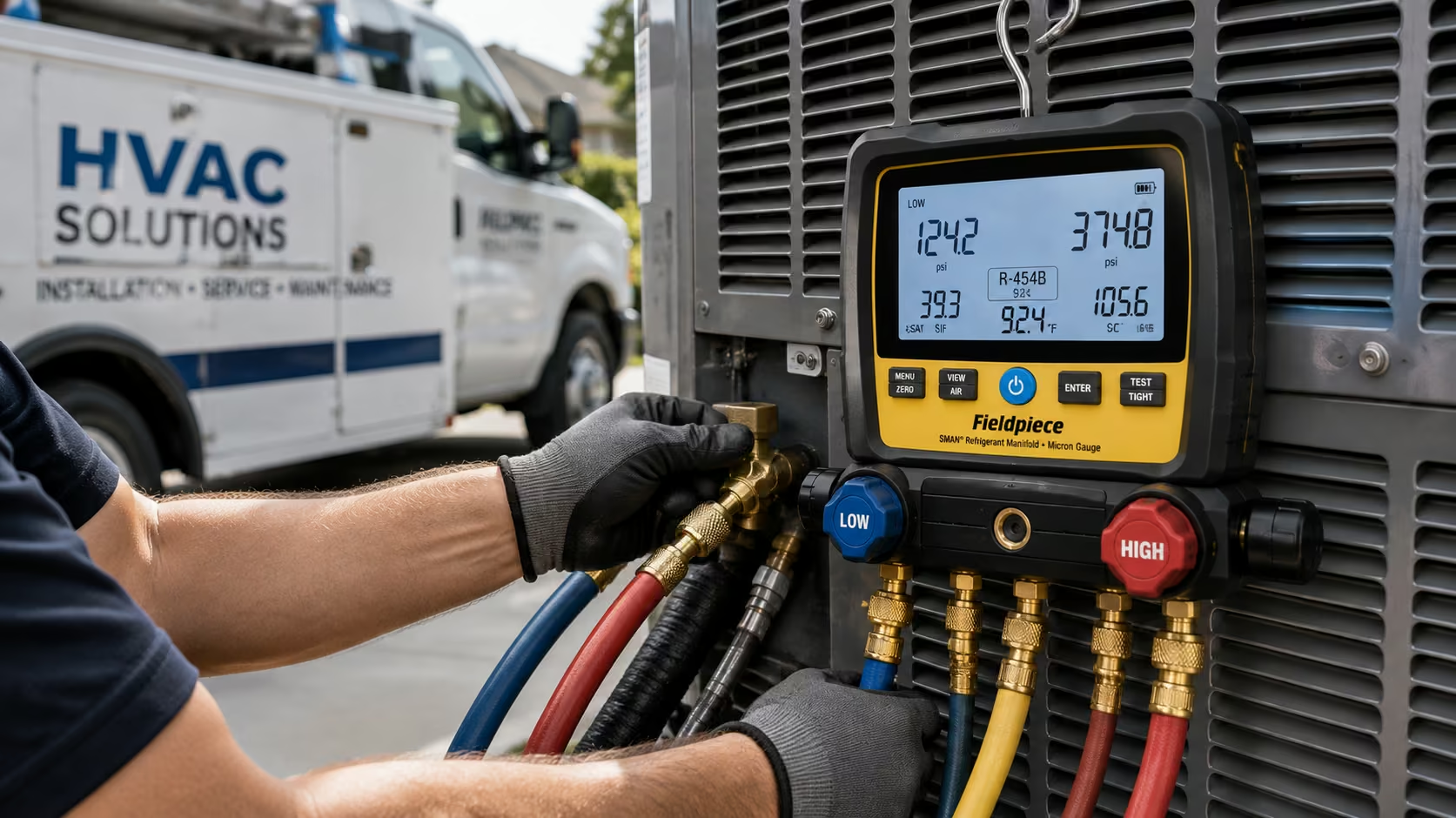
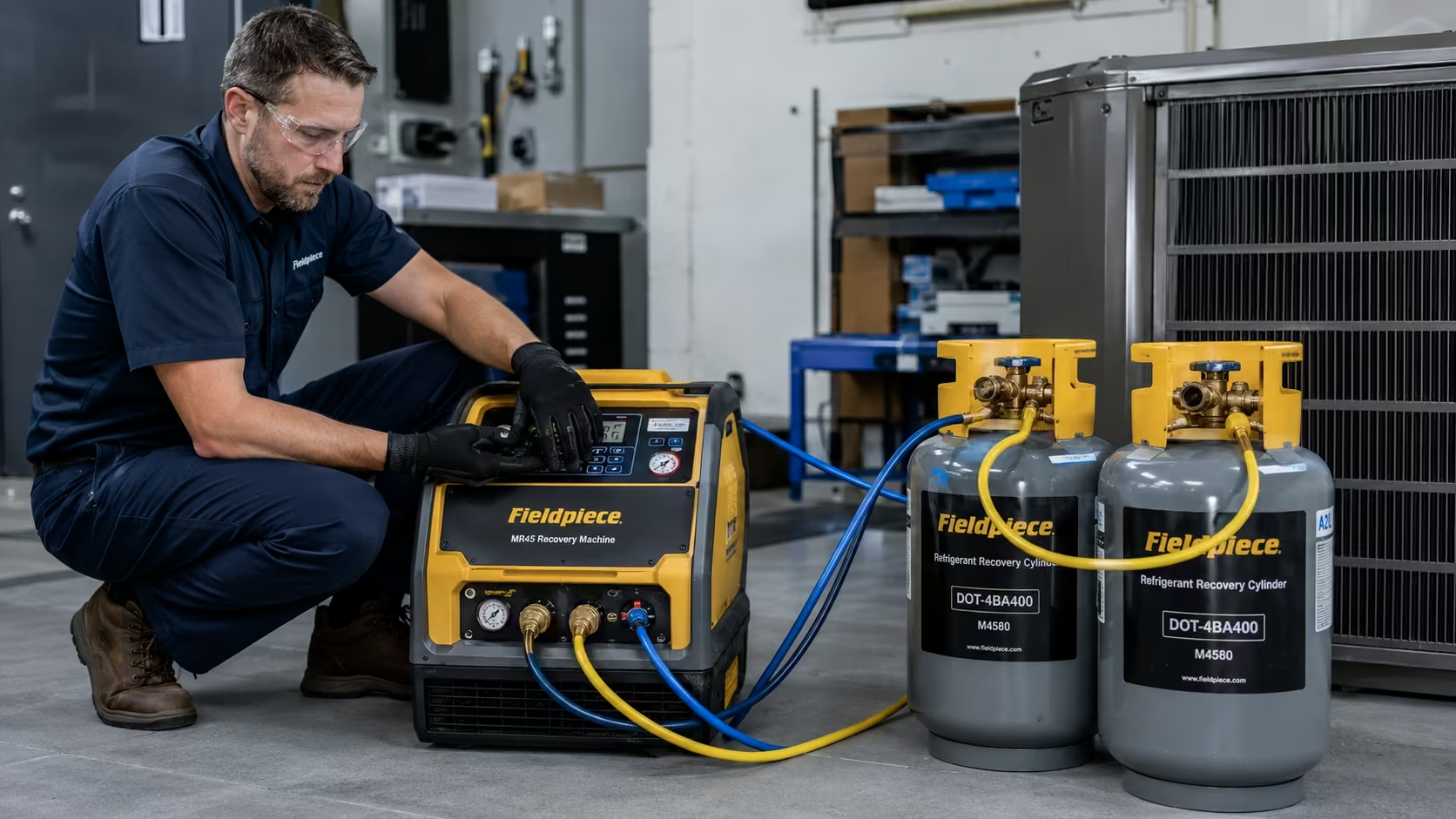
Recovery means removing refrigerant from a system and storing it in an external container. For that, you need:
- EPA-certified recovery equipment that meets the required recovery efficiency standards
- DOT-approved recovery cylinders (gray body, yellow top) that are within their test date and never filled beyond 80% of capacity
- A technician holding EPA Section 608 certification appropriate to the equipment type
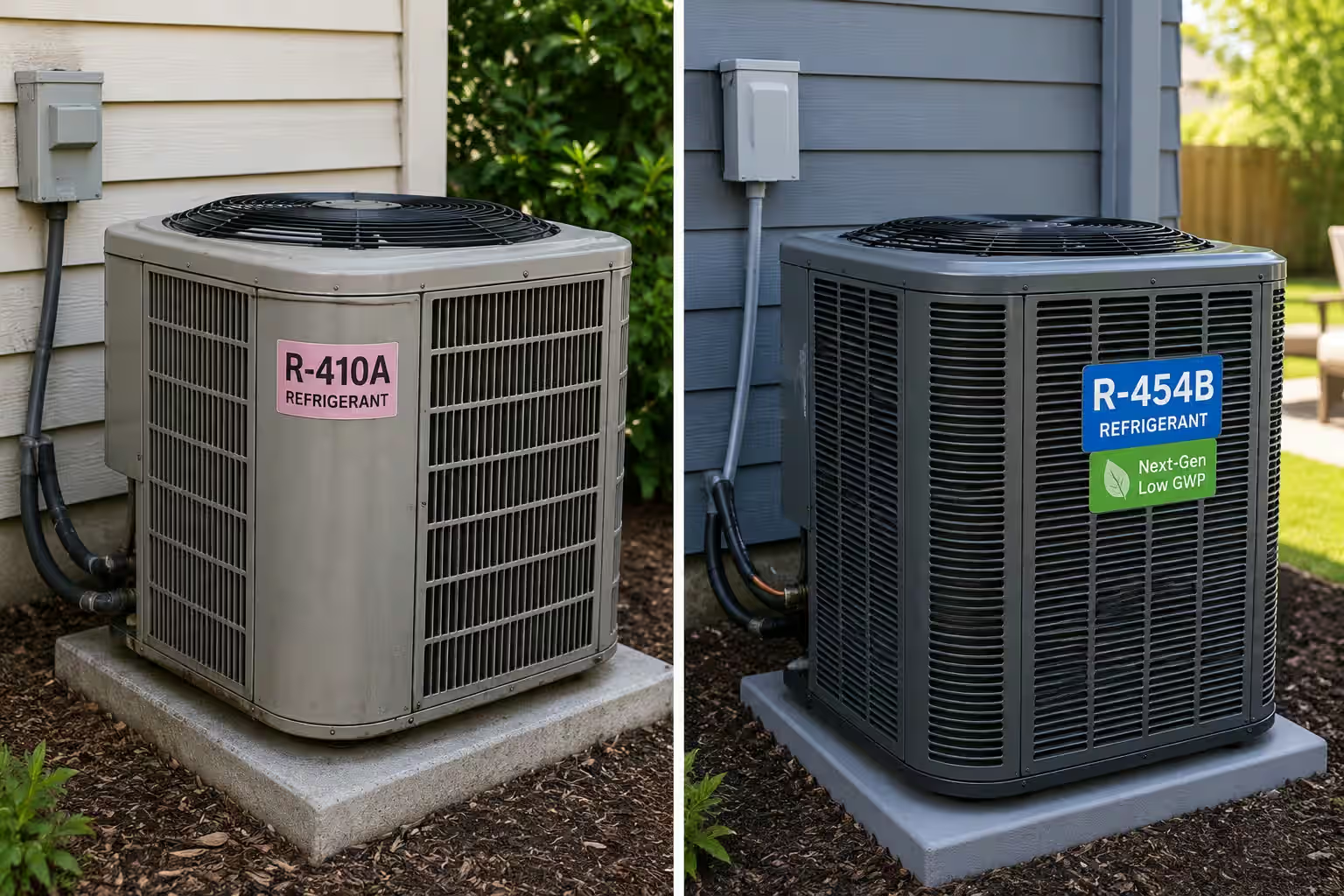
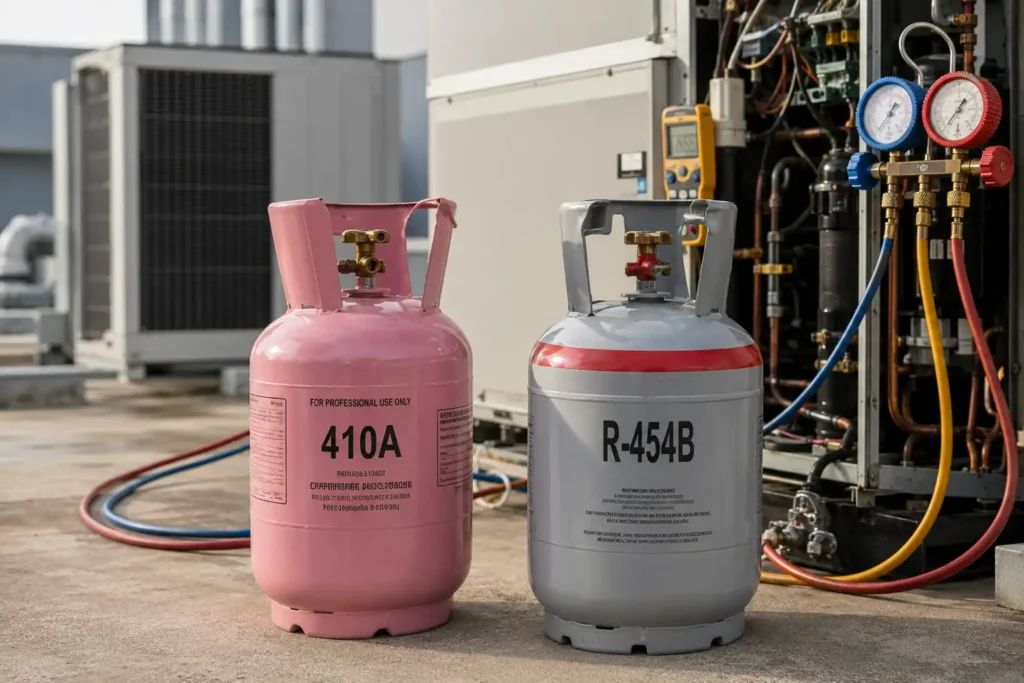
For A2L (mildly flammable) refrigerants such as R-454B and R-32, both the recovery equipment and cylinders must carry a rating for that refrigerant class. Additionally, the work requires proper ventilation and zero ignition sources nearby.
After Recovery: Reclaim, Recycle, or Destroy
Once you recover refrigerant, it follows one of three paths:
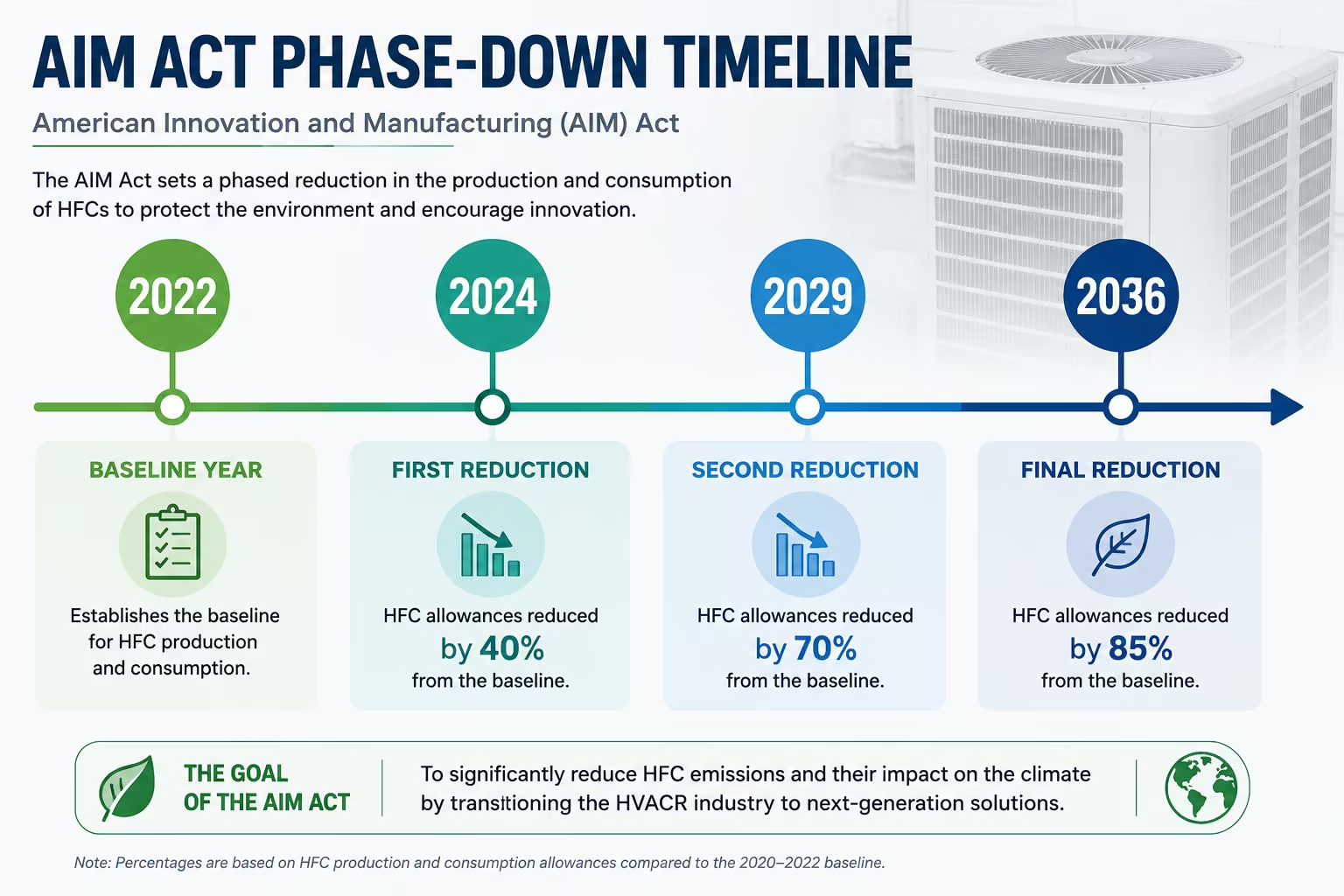
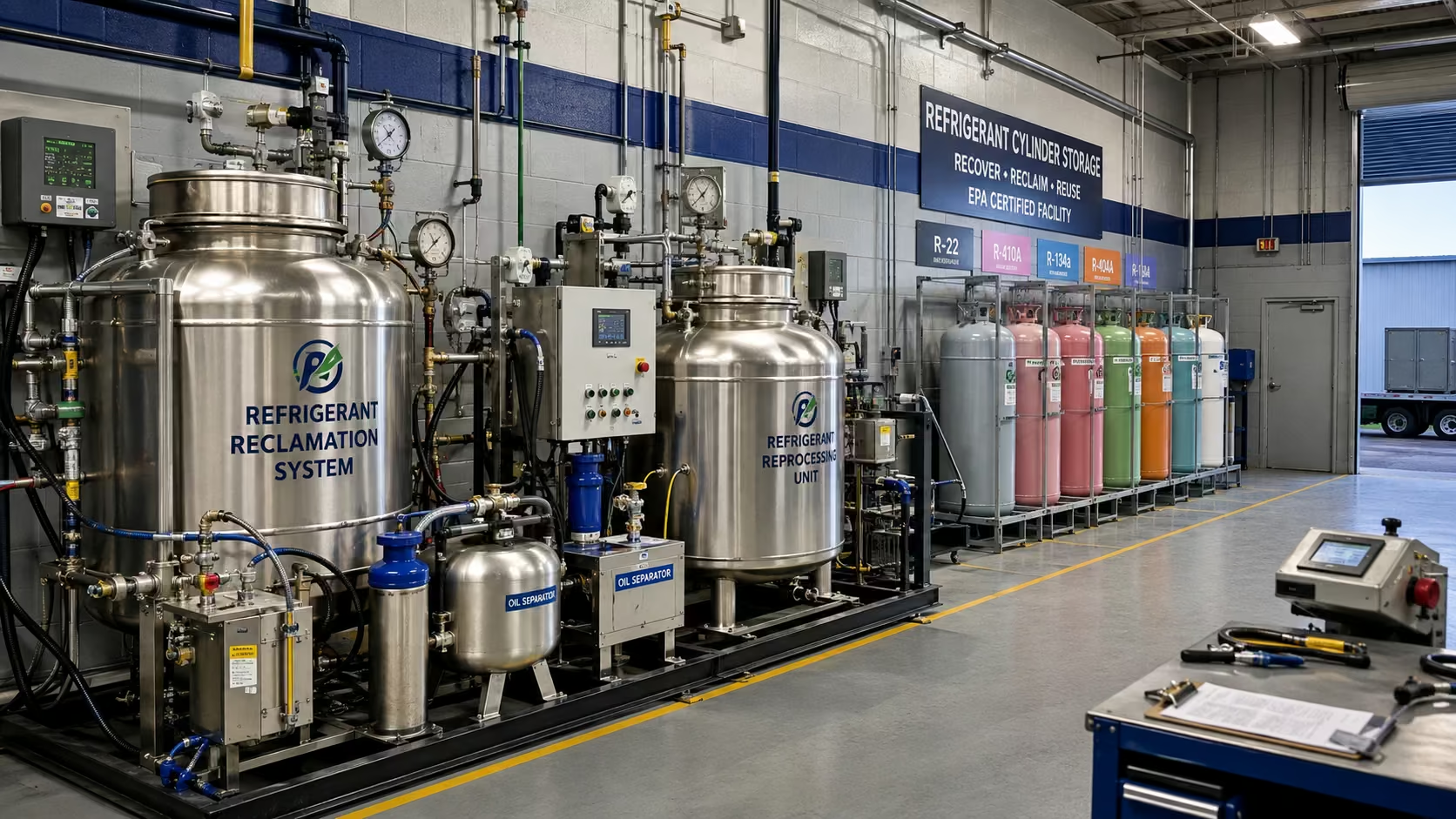
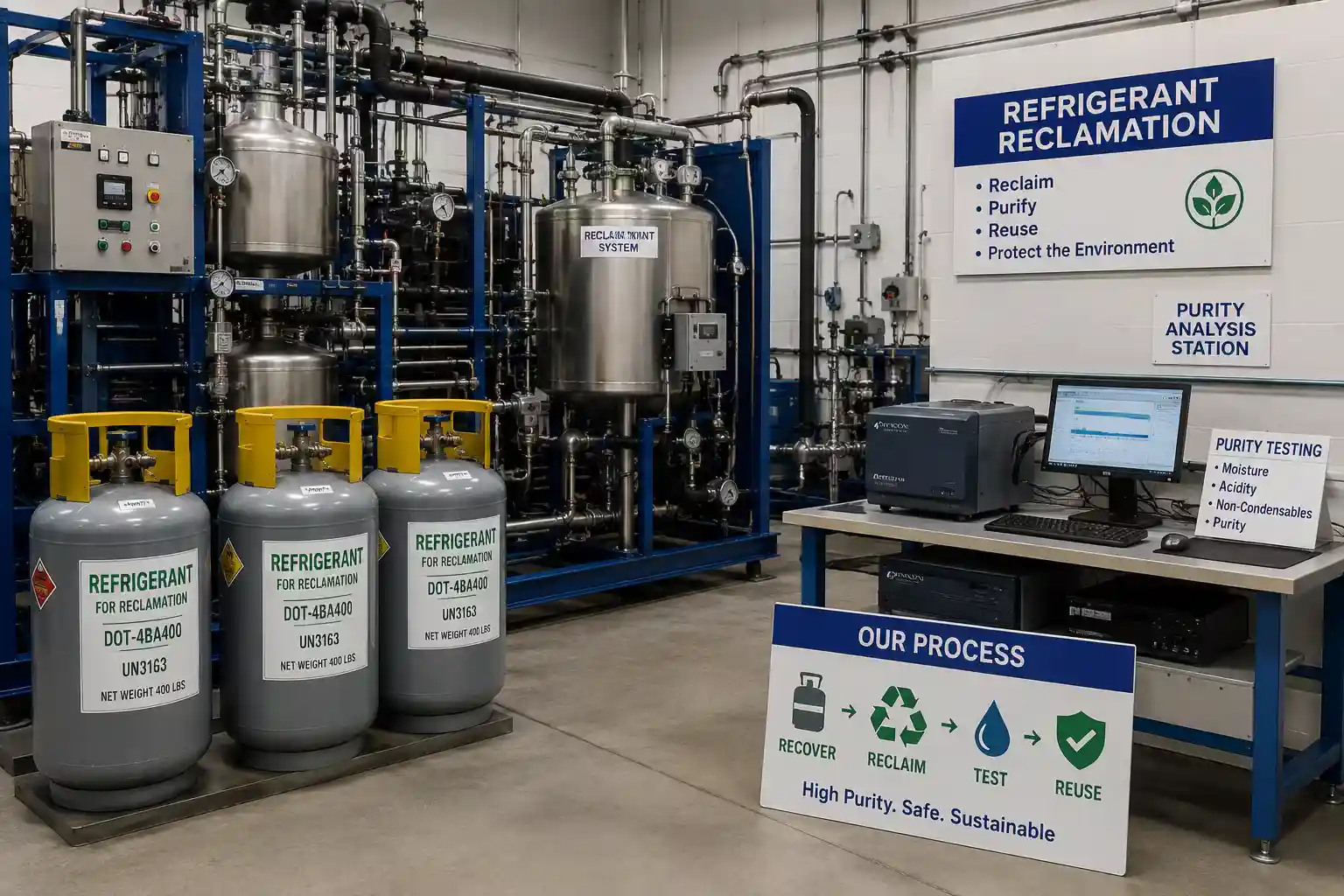
Reclamation. An EPA-certified reclaimer processes reclaimed refrigerant back to virgin-equivalent purity (meeting the AHRI 700 standard), then sells it for reuse. Reclamation matters more than ever: under the AIM Act HFC phase-down, reclaimed refrigerant helps meet demand without adding new high-GWP material to the supply. That’s why quality reclaimed R-22 and other phased-down refrigerants hold real value.
Recycling. Recycling cleans refrigerant to a lesser degree, typically on-site and for reuse in the same or an owner’s system. However, it doesn’t certify the refrigerant to virgin purity, so its scope stays more limited than reclamation.
Destruction. When refrigerant can’t be reclaimed, it goes to an approved destruction facility that breaks it down at high temperature. Contaminated or mixed refrigerant usually ends up here.
Never Mix Refrigerants
Mixing different refrigerants even by accident, say, using a recovery cylinder that already holds another product renders the whole batch unreclaimable and forces expensive destruction. So always start recovery with a clean, dedicated cylinder, and label it clearly. This mistake ranks among the most common and costly in the field.
Recordkeeping and Distributor Responsibilities
Compliance doesn’t end at recovery. Depending on appliance size and business type, you may need to document refrigerant recovered, reclaimed, and disposed of, along with technician certification records. Wholesale distributors also carry responsibility here: they must verify that buyers hold valid EPA 608 certification before selling regulated refrigerants, and they must keep records of those sales. Staying organized protects you in the event of an audit.
Penalties for Getting It Wrong
Illegal venting can trigger civil penalties of tens of thousands of dollars per day, per violation, and the EPA actively enforces this rule. Beyond the fines, improper handling damages the environment these regulations exist to protect. Ultimately, it undermines the industry’s transition to low-GWP refrigerants.
Quick Compliance Checklist
- Never vent refrigerant to recover it
- Use EPA-certified recovery equipment and hold current 608 certification
- Store recovered refrigerant in a proper recovery cylinder, filled to no more than 80%
- Keep refrigerants separated; never mix products in one cylinder
- Send recovered refrigerant to a certified reclaimer or approved destruction facility
- Verify buyer certification and keep sales and service records
Ultimately, responsible recovery and disposal serve as both a legal obligation and a business advantage: they keep you compliant, support the reclaimed-refrigerant supply chain, and demonstrate the professionalism that customers and regulators expect.
Related Guides
- Refrigerant Recovery & Recycling: Legal Guide
- EPA Section 608 Certification Guide
- Virgin vs Reclaimed Refrigerant
- AIM Act & HVAC Refrigerant Rules
Shop Verified Refrigerants