
Refrigerant prices keep climbing, and every contractor has heard a customer ask if their air conditioner is about to become illegal. The confusion around the AIM Act and the R-410A phase-down leaves many homeowners and even some technicians unsure what actually changed. Without clear facts, that uncertainty turns into bad advice and missed sales opportunities.
This guide breaks down the real AIM Act timeline, explains what the phase-down actually restricts, and lays out a practical compliance checklist for contractors. For a closer look at how these deadlines vary by location, see our detailed breakdown of state-by-state R-410A phase-out rules.
What the AIM Act Actually Regulates
The American Innovation and Manufacturing Act gives the EPA legal authority to manage hydrofluorocarbons across the country. Understanding its actual scope prevents the common mistake of assuming R-410A is banned outright.
The Legal Foundation
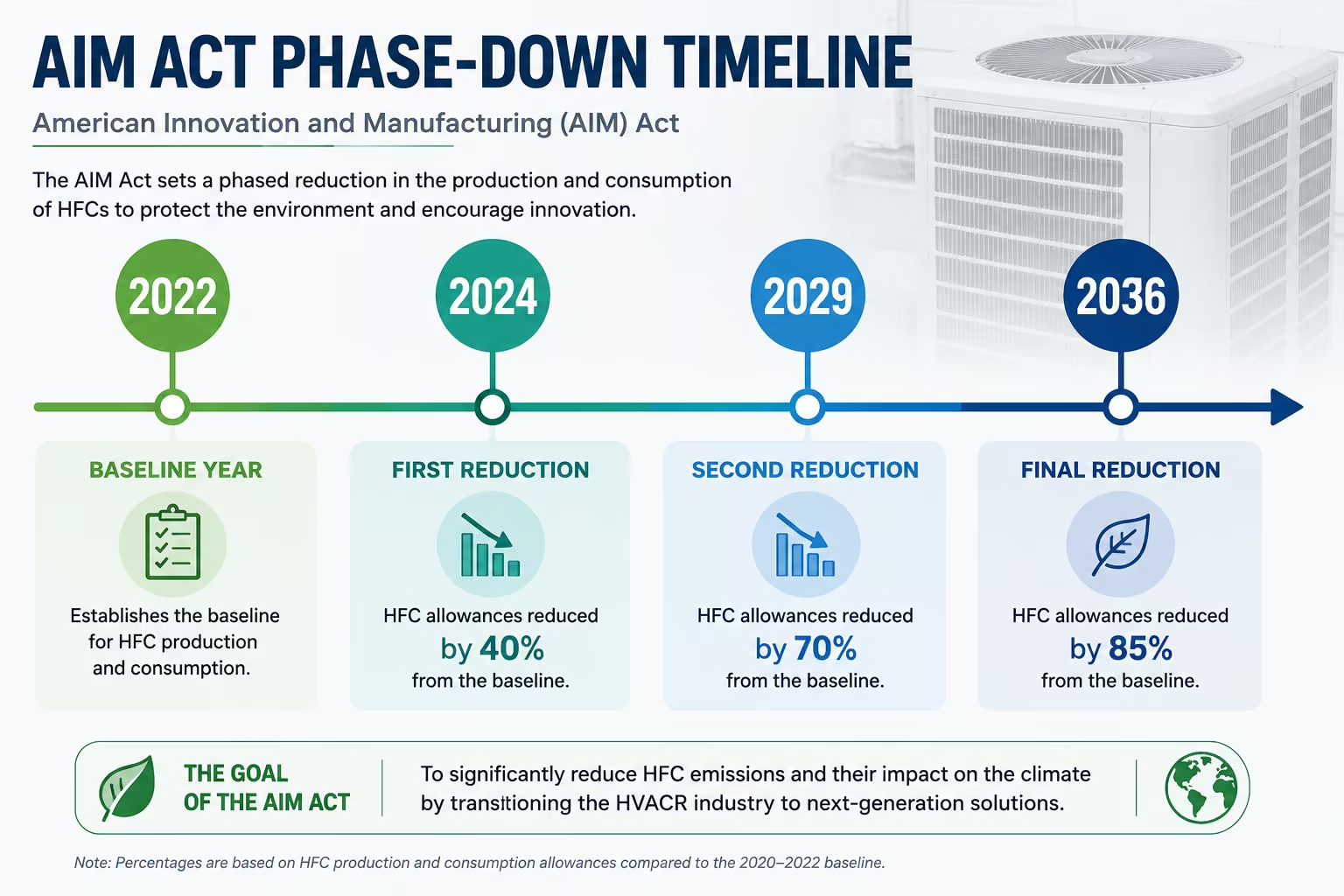
Signed into law in December 2020, the AIM Act authorizes the EPA to phase down HFC production and consumption by 85% over 15 years. Before this law, EPA authority over HFCs had been successfully challenged in court, leaving no clear framework. The AIM Act closed that gap with explicit statutory power.
Three Regulatory Mechanisms
The law works through three separate tools: a production and consumption phasedown, sector-specific technology transition rules, and stronger reclamation requirements. Each mechanism affects contractors differently, so understanding all three matters for real compliance planning.
No Single Ban Date
Unlike a simple ban, the AIM Act sets a framework where restrictions phase in by equipment category and refrigerant type. This is why a straightforward “when is R-410A illegal” question rarely has a one-word answer. Timing depends entirely on the specific equipment being discussed.
The HFC Phasedown Schedule Explained
This schedule is the engine driving rising R-410A prices across the industry. Knowing the actual percentages helps contractors set realistic expectations with customers.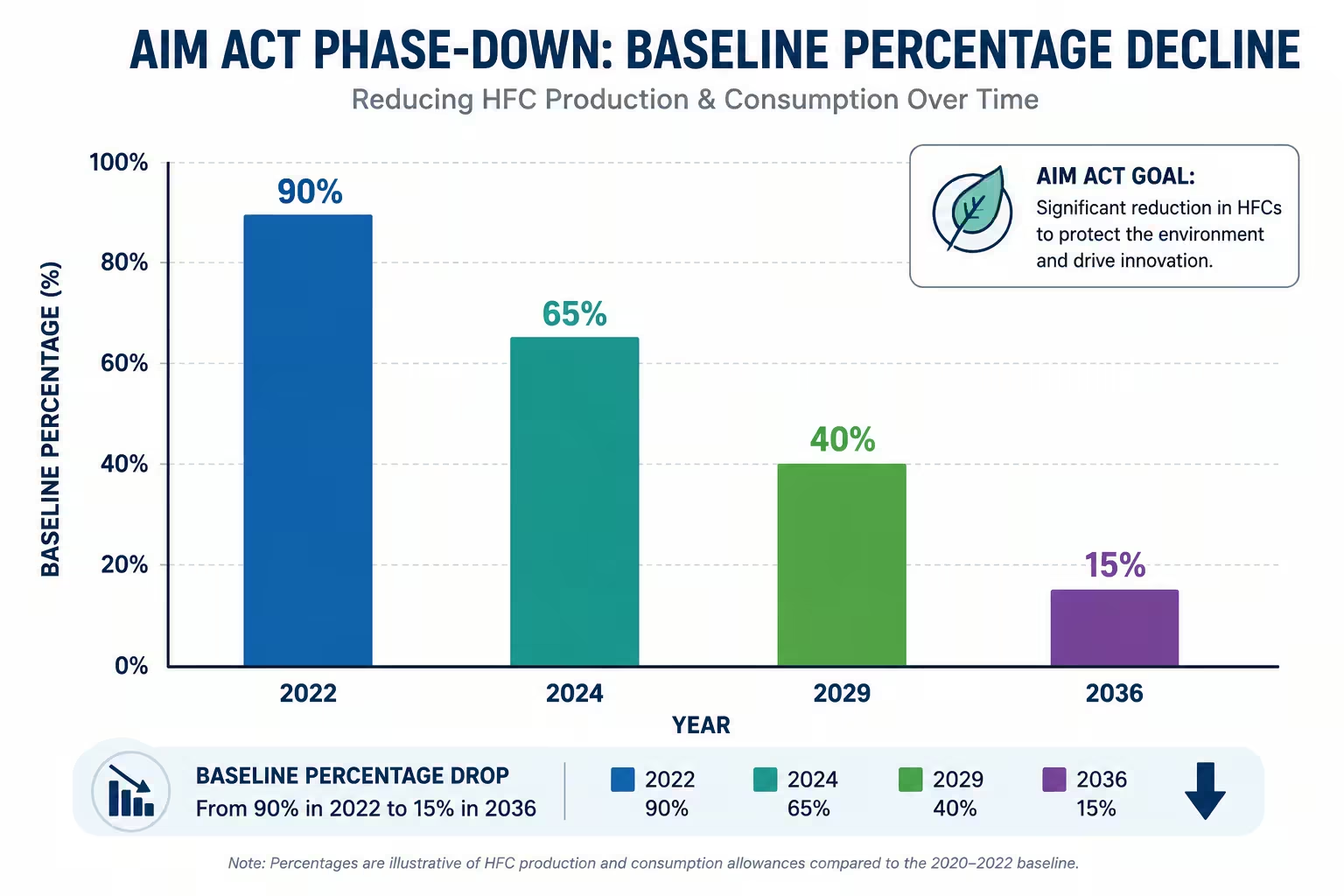
Completed Milestones
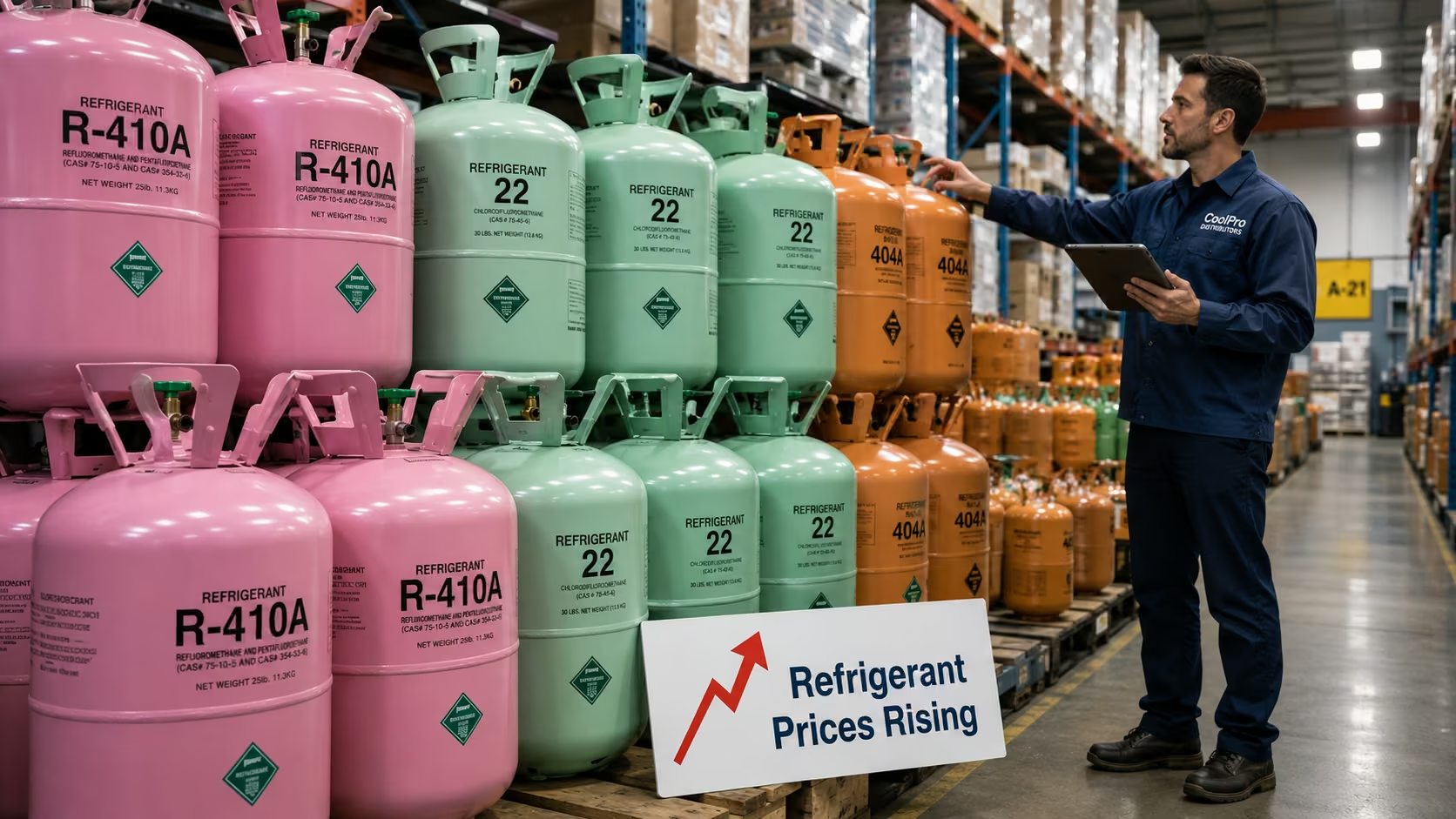
The phasedown began at 90% of baseline in 2022, then dropped to 60% of baseline in 2024. This second step is the primary reason wholesale R-410A pricing has climbed 40% to 70% since 2022. Contractors are already living inside these effects today.
Upcoming Reductions
The schedule drops to 30% of baseline in 2029, marking the steepest single reduction in the entire timeline. By 2036, allowed production and consumption falls to just 15% of the original historic baseline. This long runway gives the industry time to plan, but the trend line only moves in one direction.
What This Means for Pricing
As supply tightens with each step, virgin refrigerant becomes scarcer and reclaimed R-410A fills a growing share of the service market. Contractors should expect service costs to keep rising gradually rather than spiking overnight. Planning refrigerant purchases ahead of peak season helps manage this pressure.
Technology Transitions: What Changed for New Equipment
Separate from the overall phasedown, the Technology Transitions Program targets specific equipment categories with GWP limits. This is the part of the AIM Act most homeowners actually notice.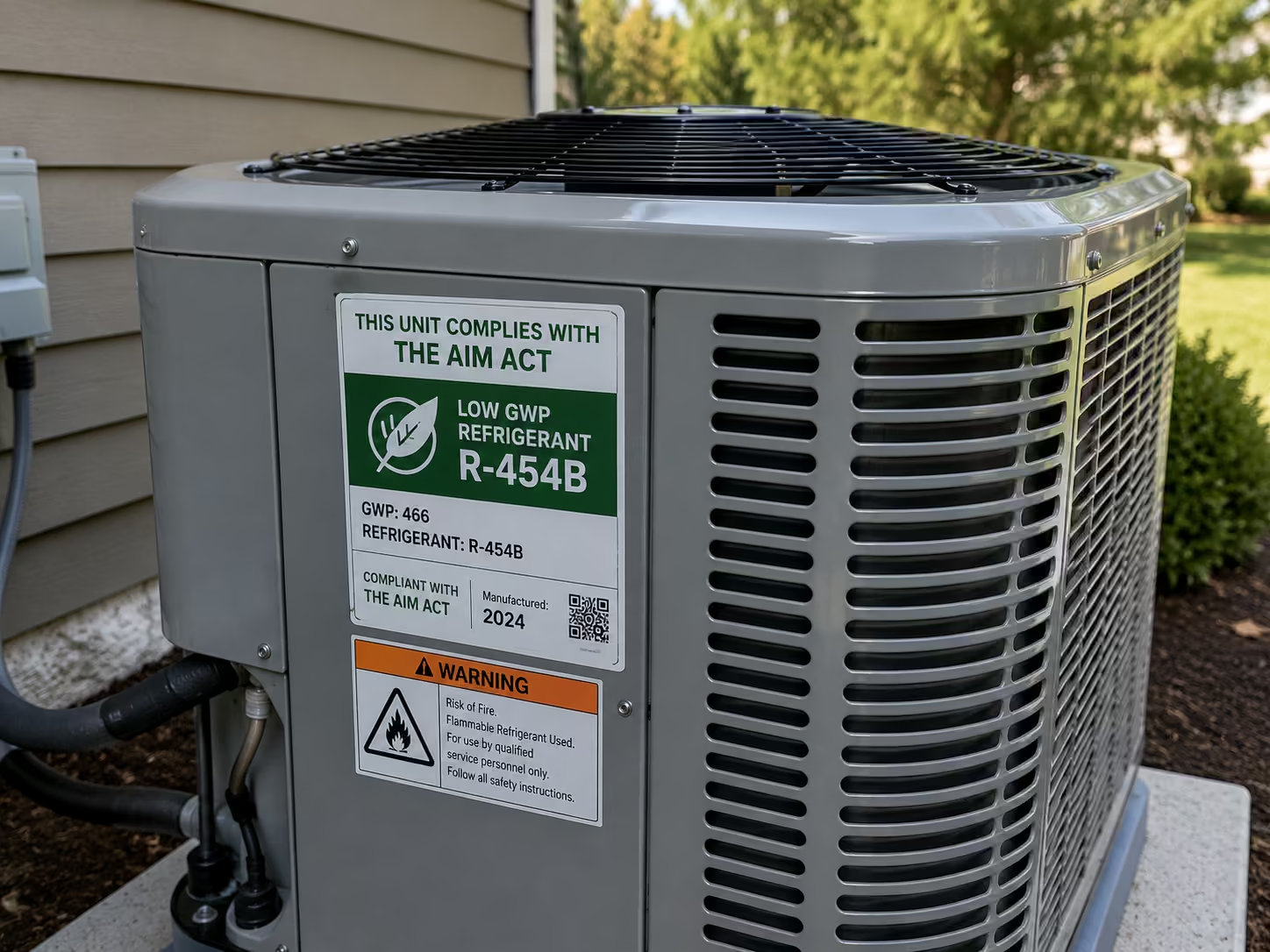
Residential and Light Commercial Cooling
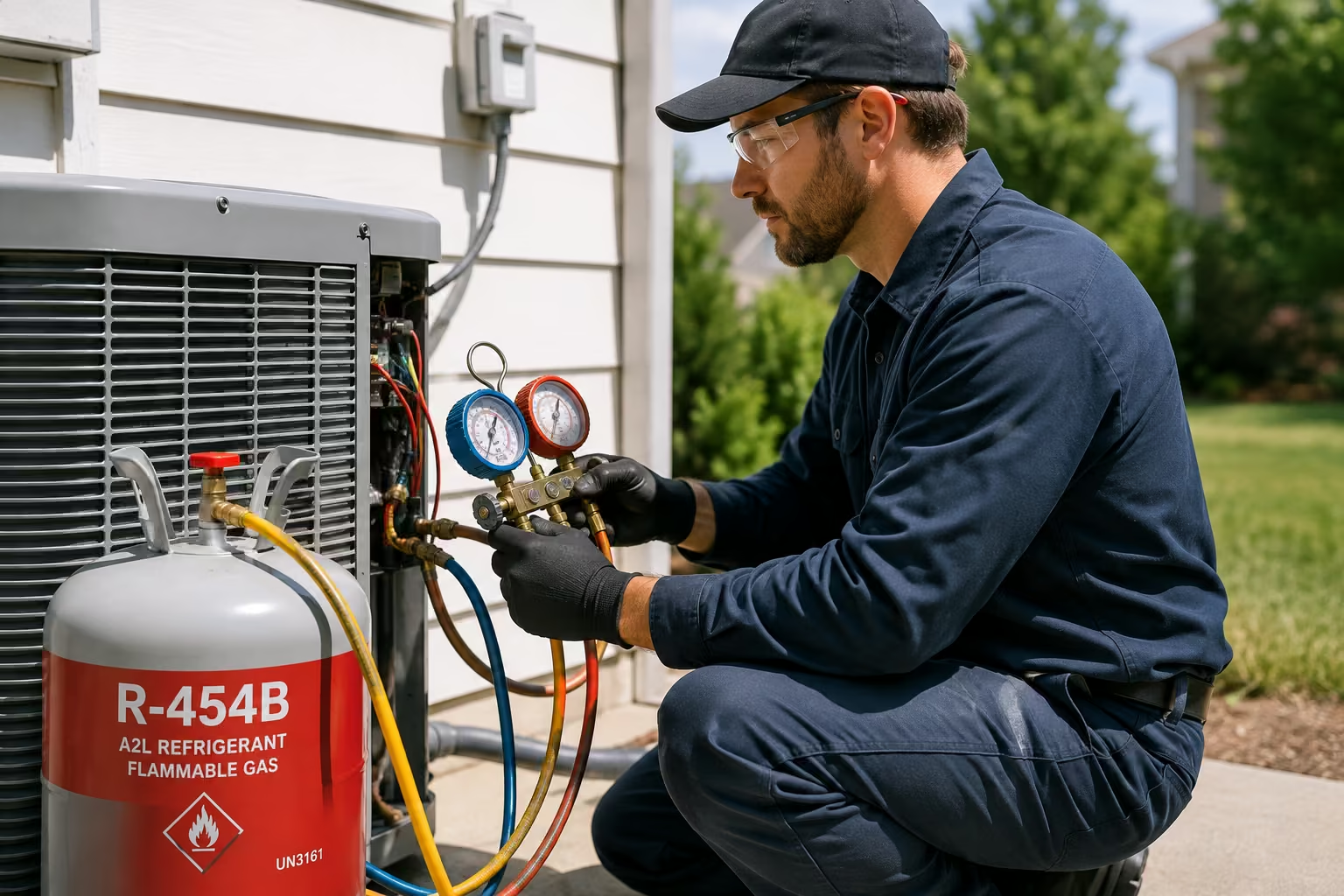
New R-410A manufacturing for residential and light commercial air conditioning stopped on January 1, 2025. Any new split system installed must use a lower-GWP refrigerant like R-32 or R-454B going forward. Existing systems remain fully exempt from this restriction.
Grandfathered Equipment Rules
Systems already in operation before the applicable compliance date can continue running and being serviced with their original refrigerant. There is no forced replacement mandate tied to equipment age alone. This grandfathering is the single most misunderstood part of the entire regulation.
Enforcement Deprioritization
The EPA has deprioritized enforcement of the original installation cutoff for pre-2025 manufactured equipment, allowing overstock inventory to still be legally installed. A final rule addressing this is expected to formalize the situation. Contractors should stay current on this evolving guidance before quoting new installations.
Reclamation and Compliance Requirements
Beyond the phasedown itself, the AIM Act tightens how refrigerant recovery and reclamation must be handled. This section affects day-to-day paperwork more than any other part of the law.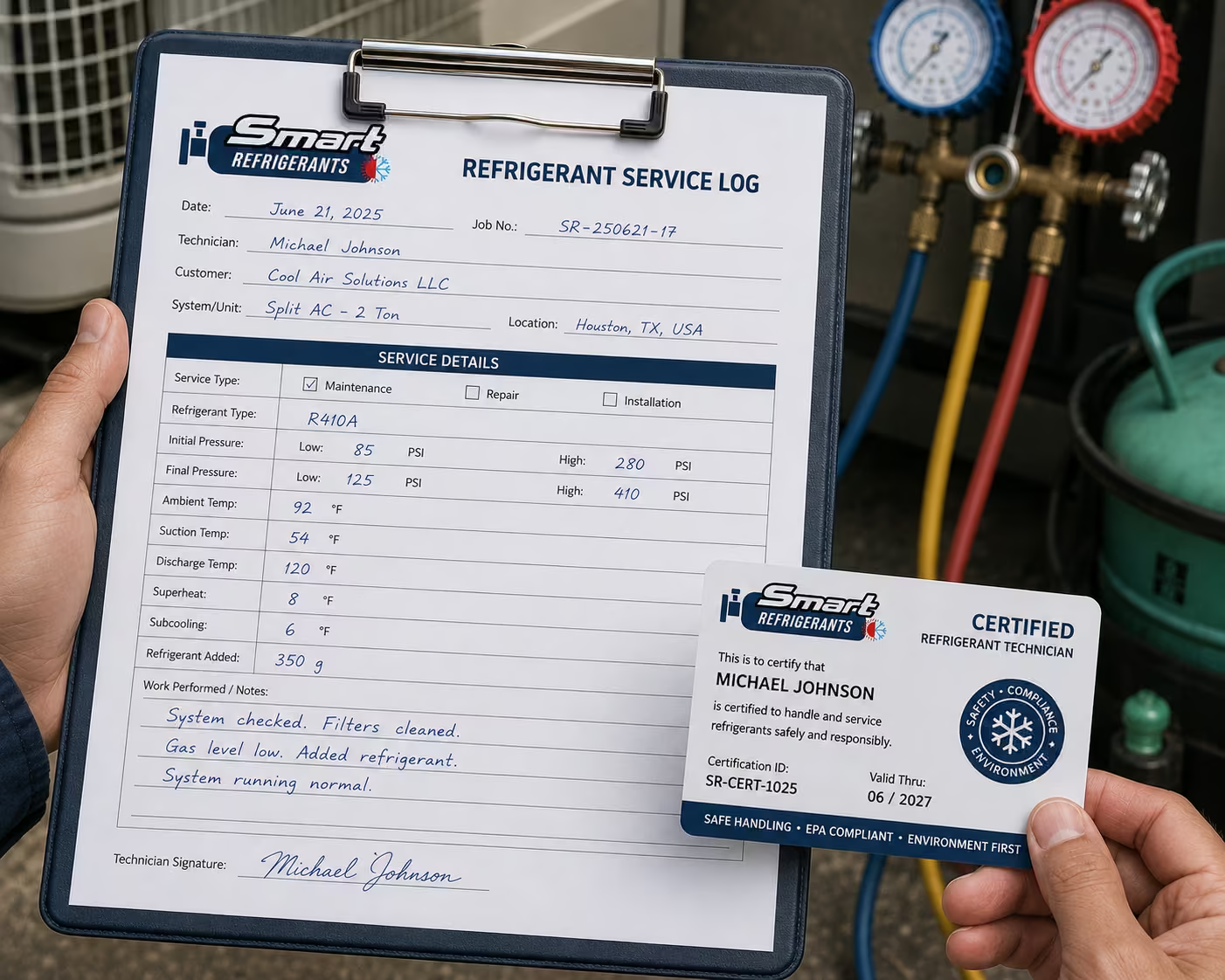
Section 608 Baseline Requirements
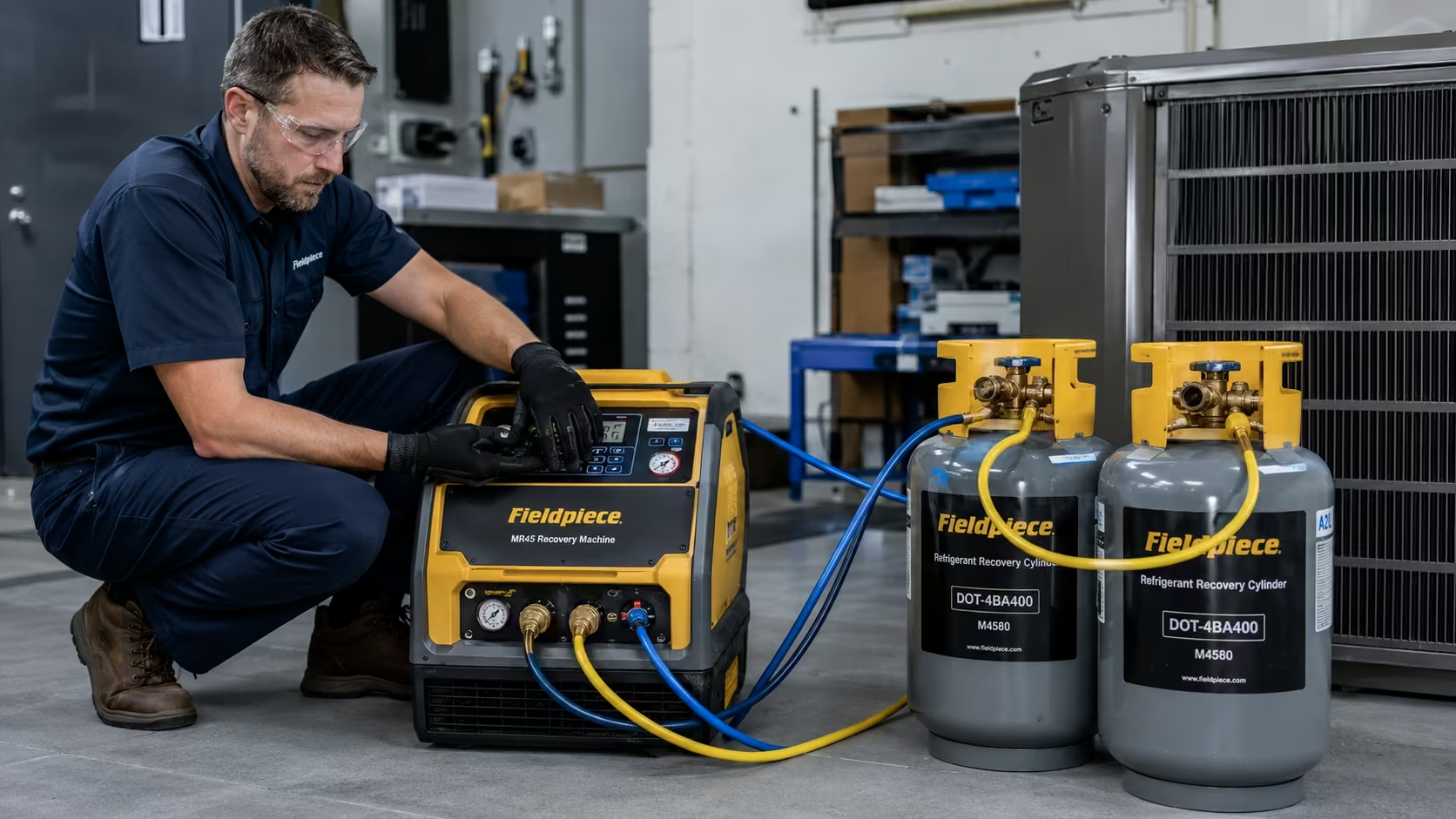
Certified technicians must handle all refrigerant recovery, and venting remains strictly prohibited under Section 608 of the Clean Air Act. This requirement predates the AIM Act but remains fully enforced alongside it. Every technician handling R-410A must maintain current certification.
Reclaimed Refrigerant Standards
Reclaimed HFC refrigerants sold for servicing must meet a 15% maximum virgin content standard by weight under current rules. This standard ensures reclaimed product meets consistent purity levels across the industry. Suppliers failing this standard face compliance action.
Record-Keeping Expectations
Documentation requirements are tightening as enforcement scrutiny increases across the industry. Contractors should track refrigerant type, charge weight, technician certification numbers, and recovery quantities for every service event. A digital record-keeping system makes audit preparation far less stressful than paper logs.
Building a Compliance Checklist for Your Business
Turning these regulations into daily practice requires a clear, repeatable process. The following checklist helps contractors stay ahead of enforcement trends rather than reacting to them.
Confirm Technician Certifications
Every technician handling refrigerant needs current EPA Section 608 certification for the equipment they service. Keeping a simple log of certification numbers and expiration dates avoids embarrassing gaps during an audit. This is the single easiest compliance item to overlook.
Track Refrigerant Inventory by Asset
Maintaining a record of refrigerant type, original charge weight, and GWP for every serviced unit builds a defensible compliance history. This inventory also helps forecast which customers may need transition planning soonest. Facilities managing large fleets benefit especially from this practice.
Document Every Service Event
Each refrigerant service call should record the asset, date, refrigerant type, quantity handled, and technician certification number. Searchable digital records satisfy audit requests far faster than manual paperwork. This habit protects the business as enforcement attention increases.
Sourcing Compliant R-410A Supply
Staying compliant starts with sourcing verified, properly labeled refrigerant for every job. Contractors can browse dependable R-410A refrigerant supply to keep service trucks stocked with product that meets current EPA standards.
Frequently Asked Questions
Is R-410A illegal to buy in 2026?
No. Manufacturing of new residential R-410A equipment has stopped, but service refrigerant remains fully legal to purchase through certified technicians.
What is the AIM Act phasedown percentage for 2036?
The AIM Act requires production and consumption to fall to 15% of the historic baseline by 2036, representing an 85% total reduction.
Do I need to replace my working R-410A system?
No. Existing systems are grandfathered and can continue operating and being serviced indefinitely under current EPA rules.
When did new R-410A equipment manufacturing stop?
New manufacturing of R-410A residential and light commercial air conditioning equipment stopped on January 1, 2025.
What certification do technicians need to handle R-410A?
Technicians need current EPA Section 608 certification appropriate to the equipment category they are servicing.
Why are R-410A prices rising under the AIM Act?
The phasedown schedule reduces allowed production and consumption in steps, tightening virgin supply and pushing prices higher over time.
Can reclaimed R-410A be used for service work?
Yes. Reclaimed refrigerant meeting the 15% maximum virgin content standard is a legal and increasingly common service supply source.
What happens if a technician mixes refrigerants?
Mixing refrigerants violates EPA Section 608, voids manufacturer warranties, and can trigger enforcement action against the responsible party.
Conclusion
The AIM Act phase-down changes far less about existing R-410A equipment than most people assume. Understanding the actual timeline, the grandfathering rules, and the reclamation requirements turns a confusing regulation into a manageable business process.
Contractors who build compliance into daily habits, from certification tracking to careful record-keeping, stay ahead of enforcement rather than scrambling during an audit. Staying informed on these rules protects both the business and every customer relying on dependable cooling for years to come.