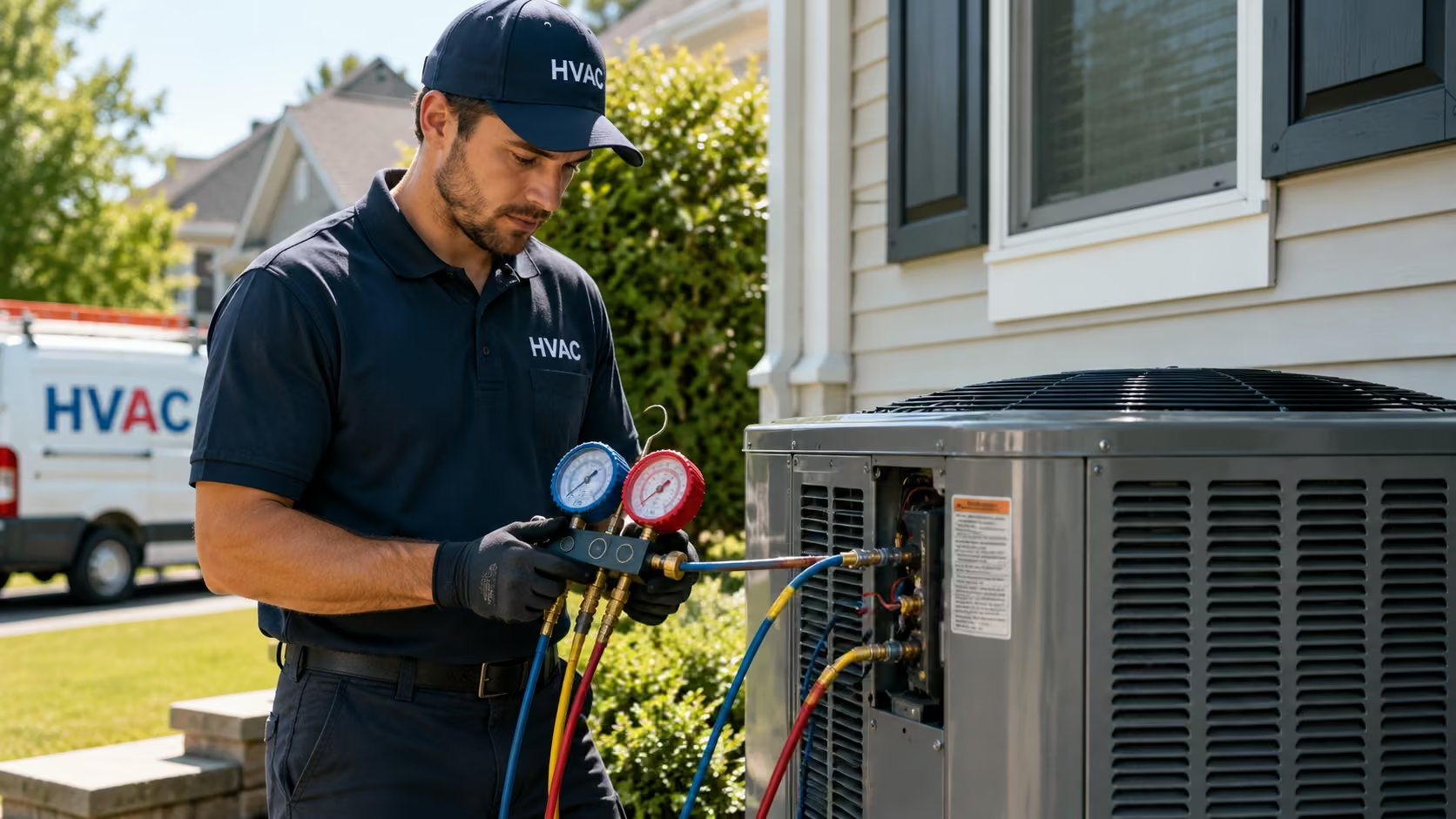

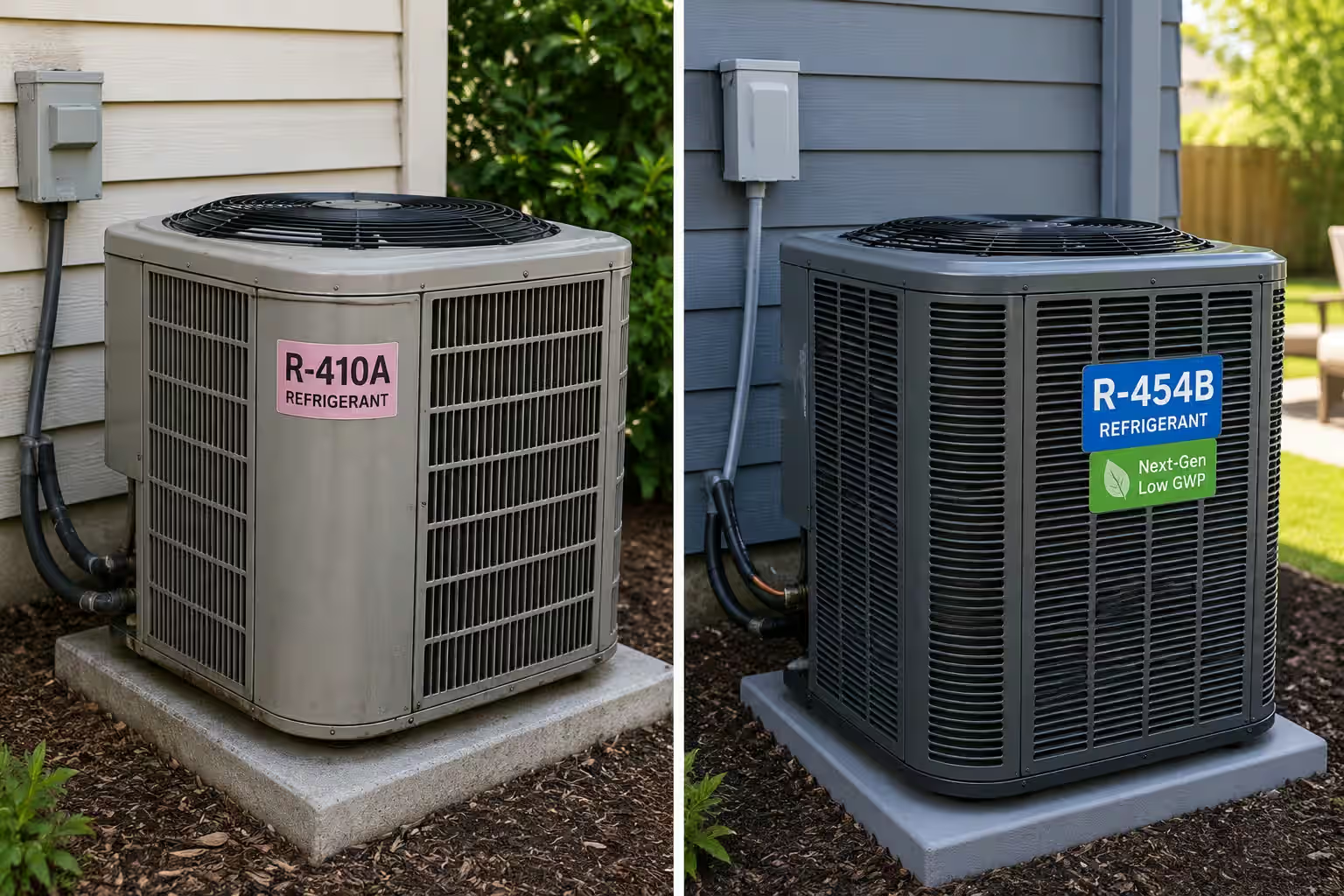
A homeowner’s condenser finally dies, and suddenly everyone is talking about a strange new refrigerant called R-454B. The natural question follows fast: can a tech just swap the gas and keep the old system running? Many contractors get asked this weekly, and giving the wrong answer can cost a customer their warranty or worse.
This R-410A to R-454B retrofit guide explains exactly why a simple gas swap does not work, what actually changes between the two refrigerants, and what real options exist for homeowners and contractors in 2026. For deeper background on why the industry made this shift in the first place, see our companion piece on why A2L refrigerants replaced R-410A.
Why R-410A to R-454B Retrofits Do Not Work
The idea of a simple retrofit sounds appealing, but the two refrigerants are built for different equipment entirely. Understanding the real differences is the first step toward giving customers accurate advice.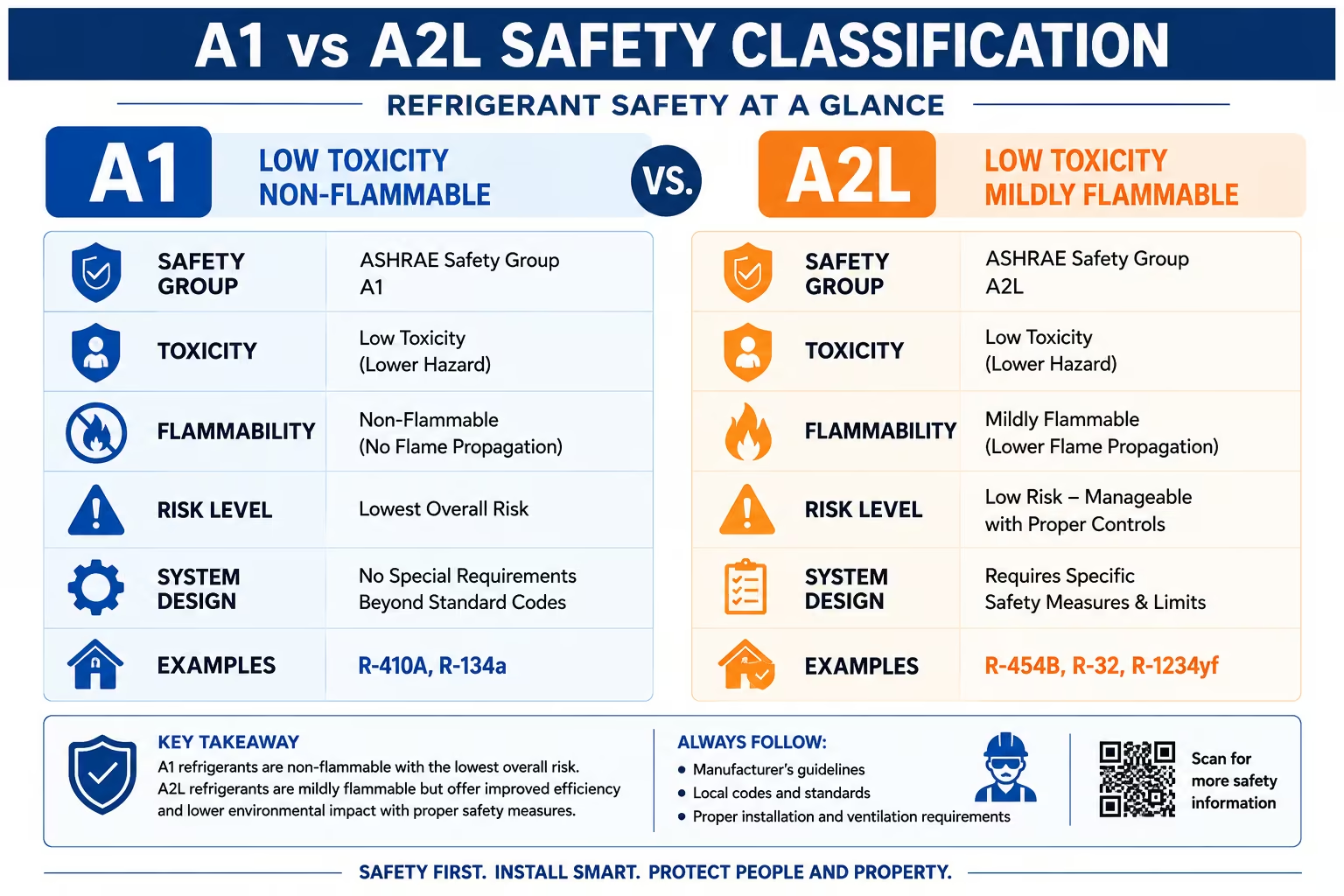
Different Safety Classifications
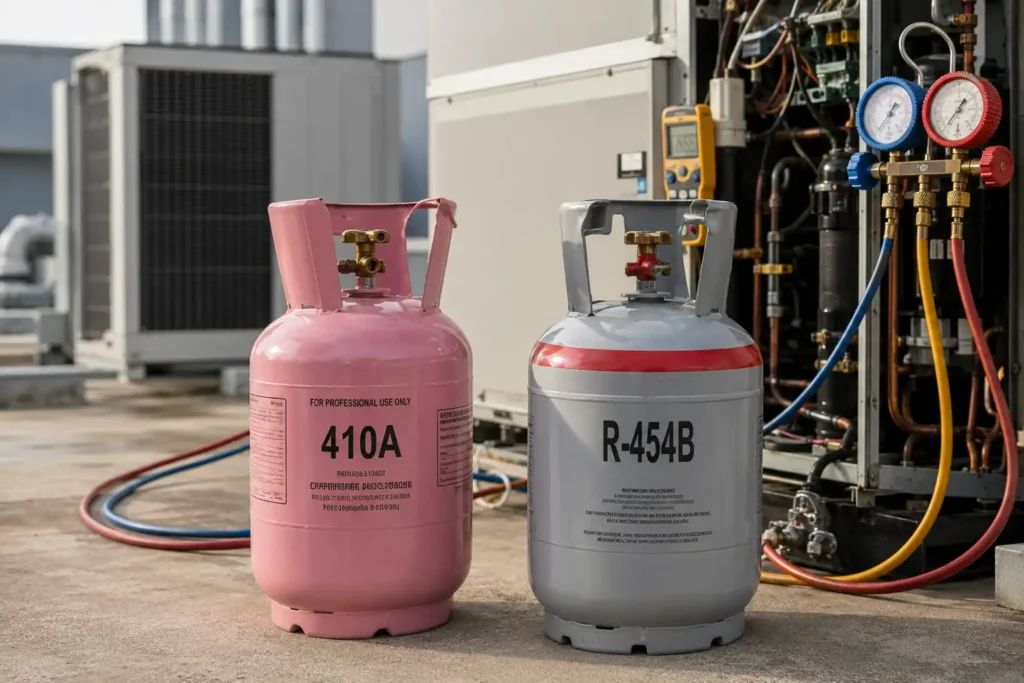
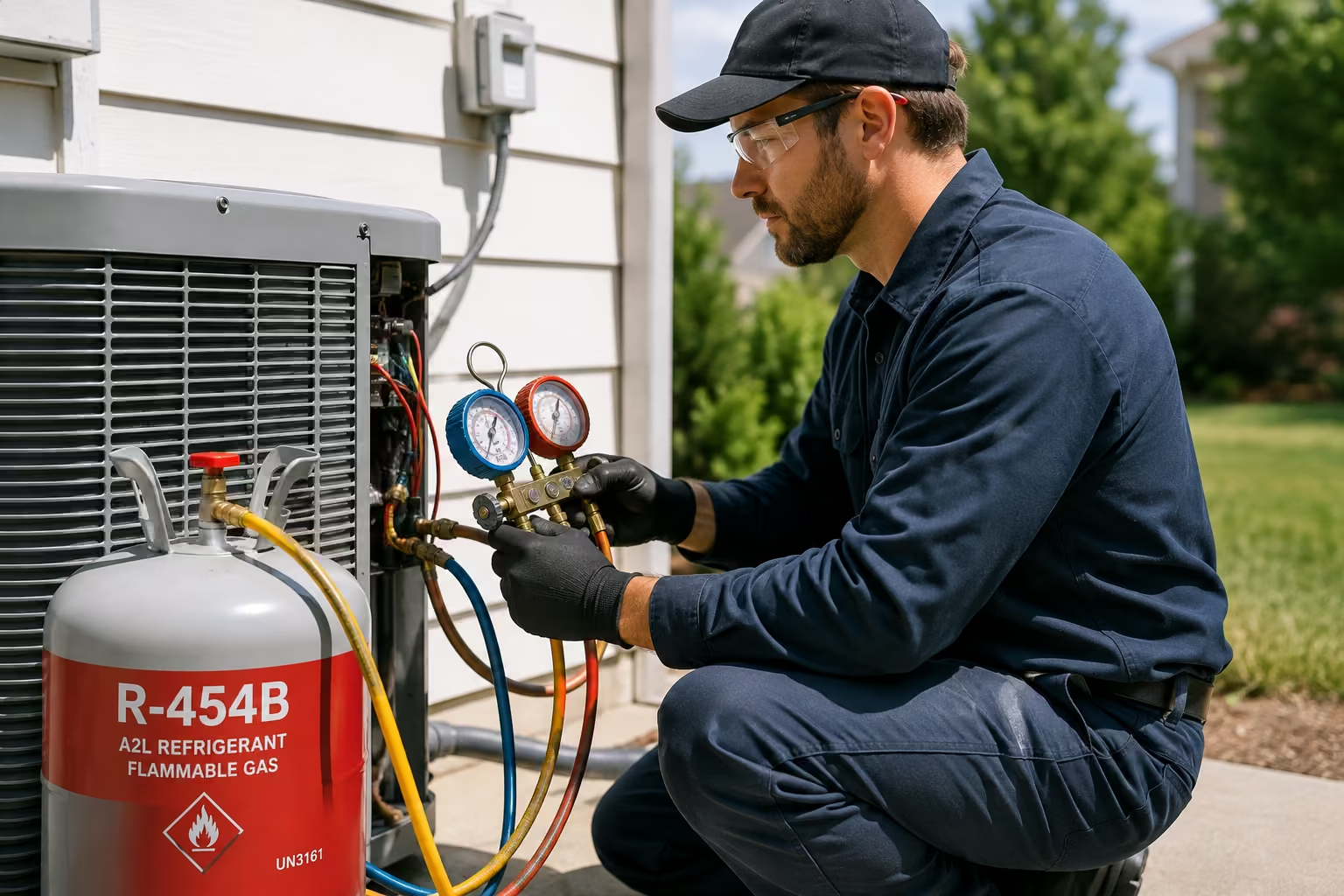
R-410A carries an ASHRAE A1 rating, meaning it is non-flammable under normal conditions. R-454B, however, is classified A2L, which means mildly flammable. That single letter changes nearly everything about how the surrounding equipment must be built.
A2L systems require leak detection sensors, spark-resistant electrical components, and automatic mitigation logic. An older R-410A air handler simply does not have this hardware, and adding it after the fact is not a supported modification.
Pressure and Performance Gaps
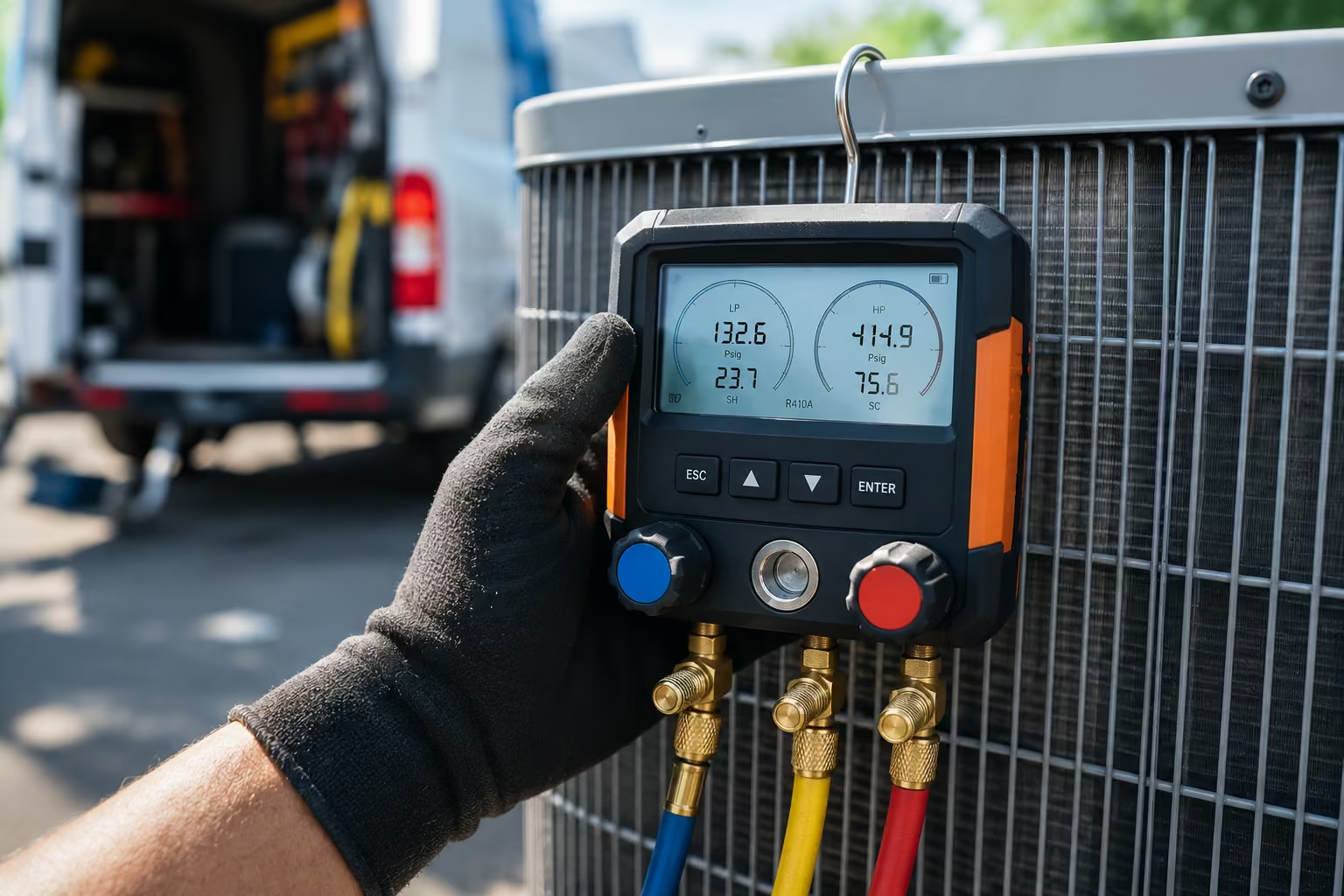
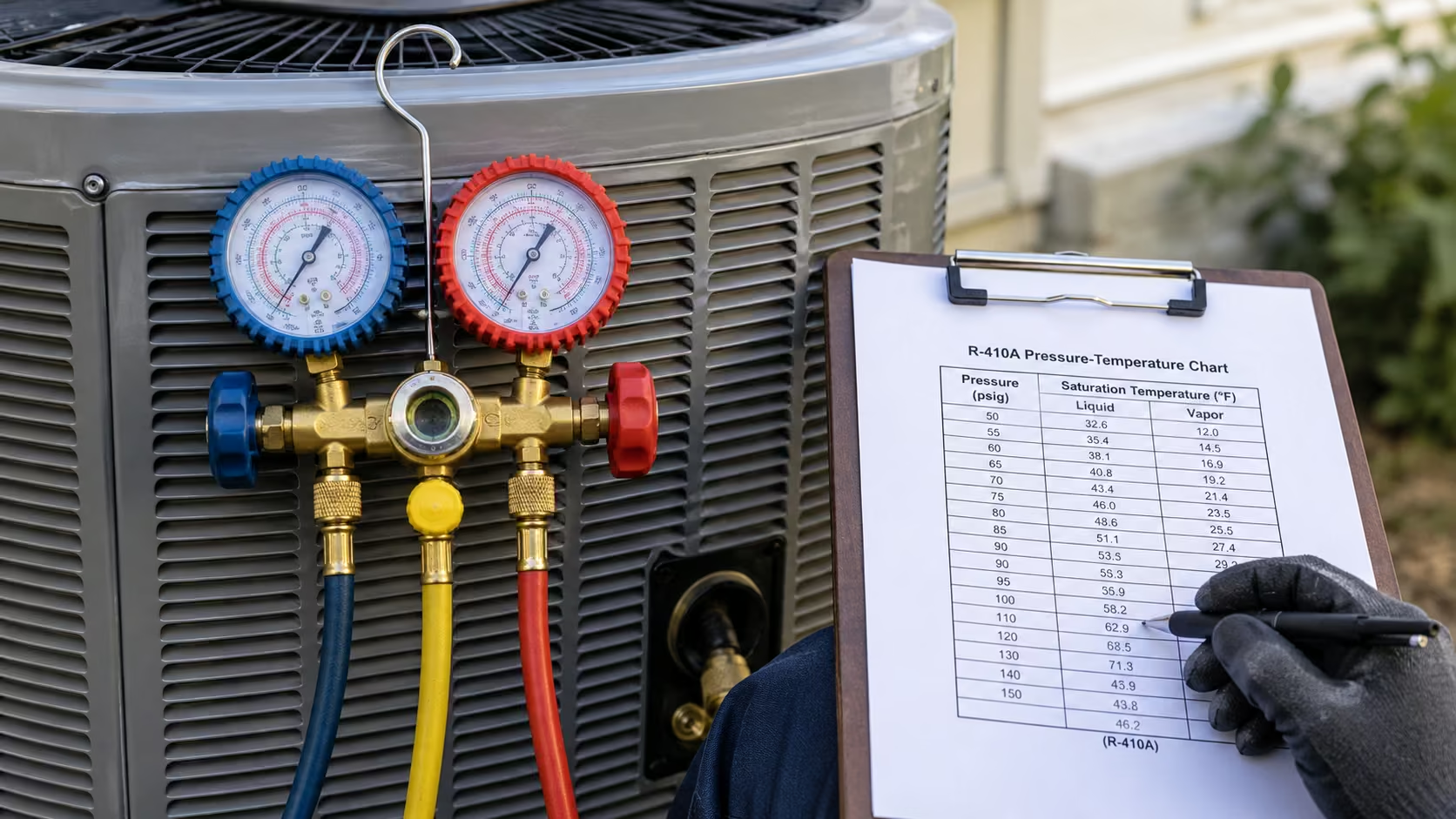
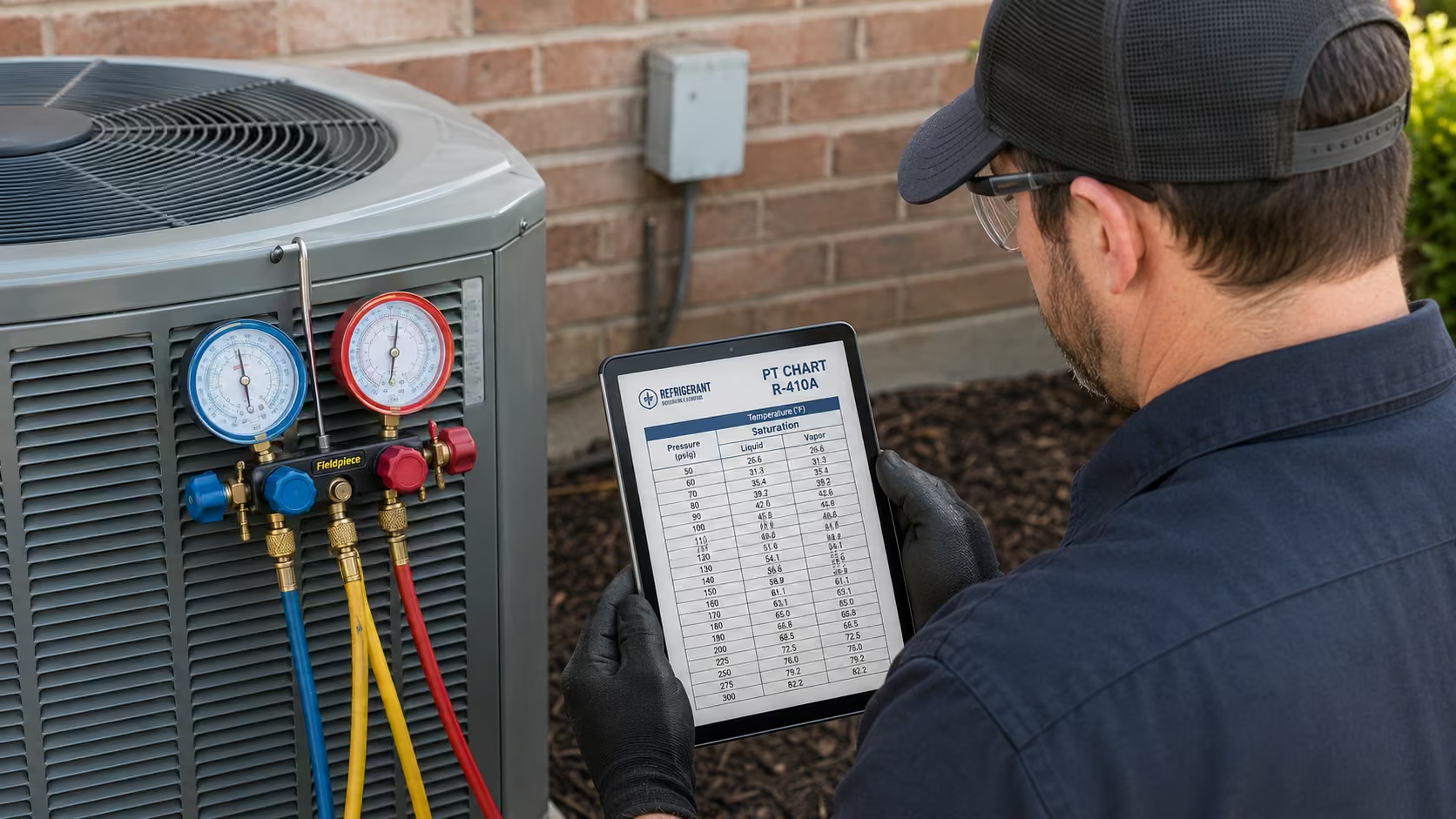
R-454B typically runs pressures 2 to 5% higher than R-410A at the same saturation temperature. It also carries a small temperature glide near 1.5°F, unlike R-410A’s near-zero glide. These differences affect how a system meters refrigerant and manages capacity.
Because of this, an R-410A to R-454B retrofit attempt often results in reduced cooling output and poor dehumidification. The system was simply never engineered to handle the new pressure curve correctly.
Oil and Component Mismatches
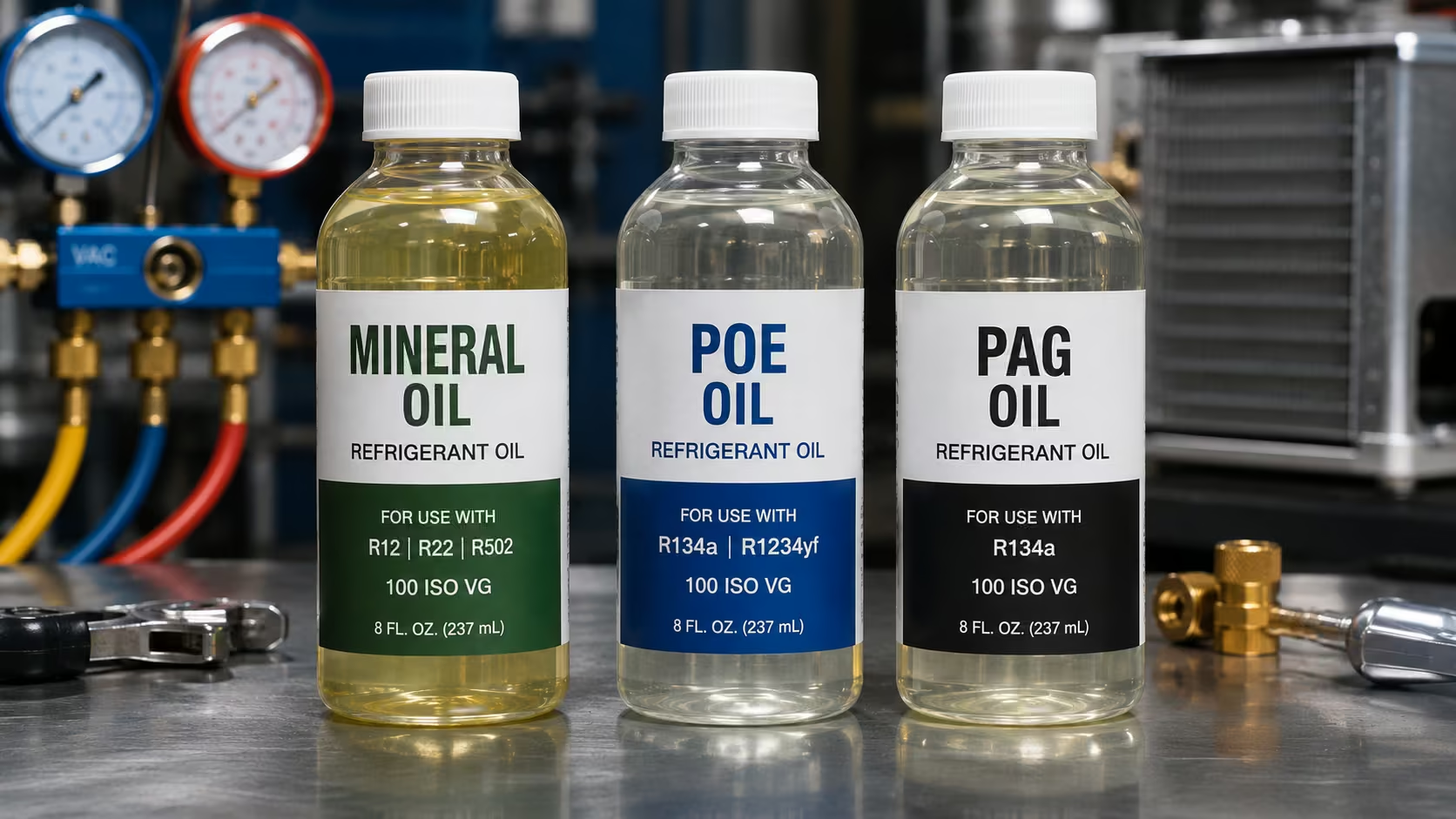
Both refrigerants use POE oil families, but the exact formulation and viscosity differ between R-410A and R-454B compressors. Mixing oils leads to poor lubrication and premature compressor failure. On top of that, R-454B equipment uses roughly 10 to 20% more coil surface area to hit the same cooling capacity.
Charging an R-410A coil with R-454B does not fix that missing surface area. The result is a system that runs longer while delivering less comfort, which frustrates homeowners fast.
What a Genuine Retrofit Actually Requires
Some contractors use the word “retrofit” loosely, so it helps to define exactly what a real conversion involves. Spoiler: it is close to a full system replacement in most cases.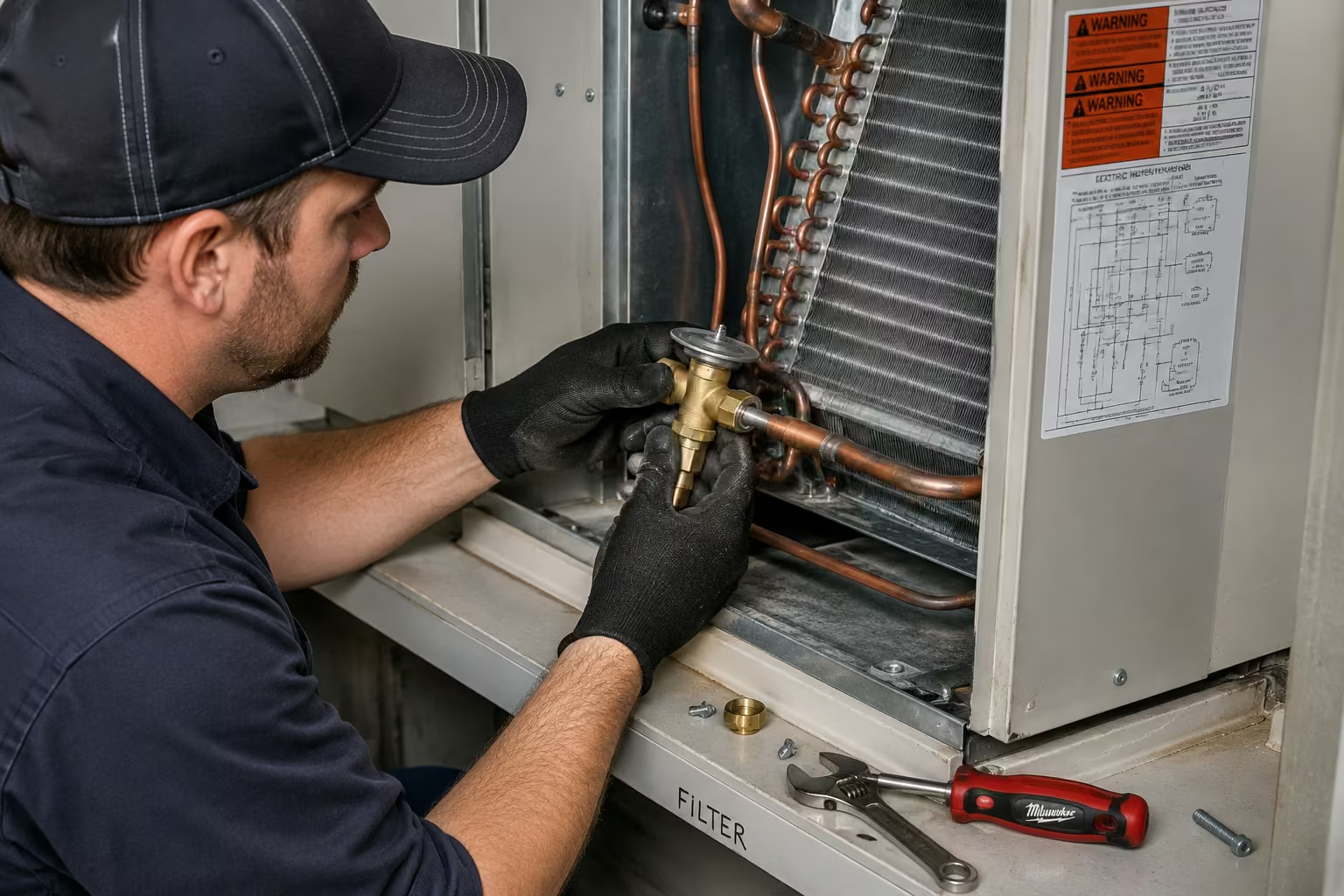
Replacing the Metering Device
The expansion valve or orifice controlling refrigerant flow must match the new refrigerant’s pressure and flow characteristics. Swapping this component alone is a significant labor job. Skipping it means the system will never charge correctly under the new refrigerant.
Adding A2L Safety Hardware
Leak detection sensors, mitigation circuits, and updated electrical components are not optional extras. They are required by code wherever A2L refrigerants operate in occupied spaces. Retrofitting this hardware into an existing air handler is rarely cost effective.
Swapping Coils for Capacity
Because R-454B equipment needs more coil surface area, a genuine retrofit usually means replacing both the indoor and outdoor coils. At that point, the labor and parts cost approaches or exceeds buying a brand-new R-454B system outright. This is exactly why almost no contractor recommends a true retrofit in practice.
What EPA Rules Say About Existing R-410A Systems
Regulatory confusion is common here, and it deserves a clear, plain-language answer. The rules are more forgiving toward existing equipment than most homeowners assume.
Existing Systems Are Grandfathered
Under the AIM Act, systems already installed before the applicable compliance date can keep operating and being serviced with R-410A indefinitely. There is no forced replacement mandate tied to age alone. Homeowners can keep running their current unit as long as it performs well.
New Manufacturing Rules Only Apply Going Forward
The manufacturing ban on new R-410A residential equipment took effect January 1, 2025. This restriction targets new production, not existing installed systems. Contractors should be clear with customers that “phased out” does not mean “illegal to use.”
Mixing Refrigerants Violates Section 608
Charging an R-410A system with R-454B, or the reverse, is a clear violation under EPA Section 608. It also instantly voids the manufacturer’s warranty and creates a genuine safety risk in equipment never designed for A2L handling. Manufacturers can detect blended refrigerant during lab analysis, so this cannot be hidden after the fact.
Real Options Instead of a Retrofit
Once the retrofit myth is out of the way, three realistic paths remain for a failing R-410A system. Walking a customer through these options builds trust and avoids surprises later.
Keep Servicing the Existing System
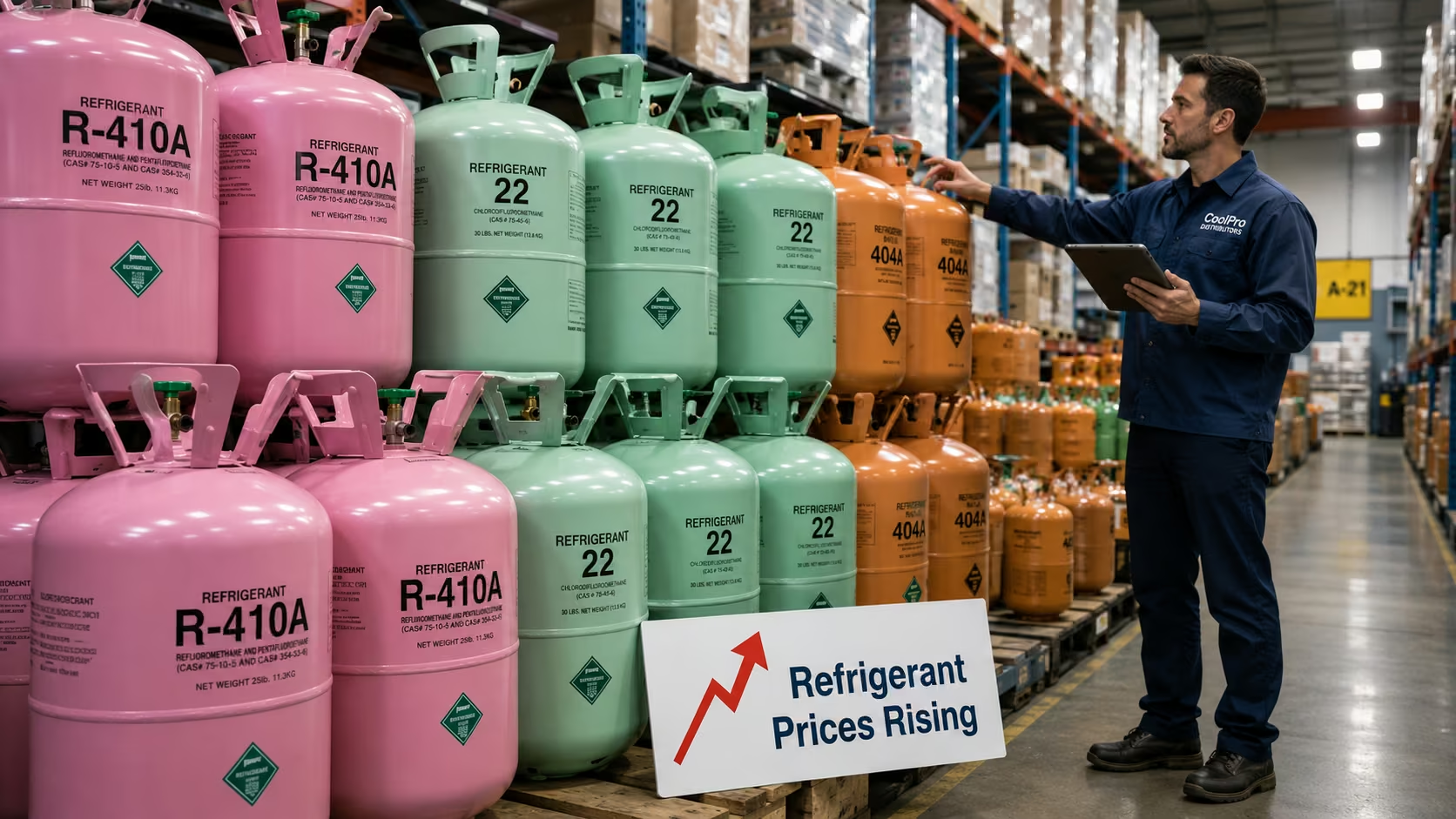
If the current unit is running fine, continuing to service it with R-410A remains the simplest and cheapest choice. Service refrigerant stays legal for the life of the equipment, and reclaimed supply is filling more of that market every year. This path makes the most sense for systems under ten years old with no major component failures.
Replace with New R-410A Overstock
Equipment manufactured before January 1, 2025 remains legal to install under current EPA enforcement guidance. Some distributors still carry overstock inventory at reduced pricing while supplies last. This bridges the gap for homeowners who want a familiar, non-flammable system without stepping into A2L equipment yet.
Step Up to a New R-454B or R-32 System
For ducted central air, most major brands have standardized on R-454B. For ductless mini-splits, R-32 is more common across the industry. Both are legitimate, future-compliant refrigerants engineered for their specific product categories, and both come with full manufacturer warranties.
Planning a Retrofit Conversation with Customers
Contractors who explain this clearly the first time avoid repeat questions and build long-term trust. A few practical talking points make these conversations smoother.
Set Expectations Early
Before quoting any job, explain that a true retrofit is not a simple gas swap. Framing it honestly from the start prevents sticker shock when the real scope of work becomes clear. Most customers appreciate straightforward answers over vague promises.
Compare Costs Side by Side
Showing the price difference between continued R-410A service, an overstock replacement, and a new A2L system helps customers make an informed choice. Numbers matter more than opinions in this conversation. A clear side-by-side breakdown usually settles the decision quickly.
Confirm Local Code Requirements
Some states and municipalities have additional refrigerant rules beyond the federal AIM Act baseline. Checking local requirements before quoting any new installation protects both the contractor and the customer from compliance issues down the line.
Sourcing Supplies for a Smooth Transition
Whether servicing an aging R-410A system or planning a full R-454B upgrade, having a dependable parts and supply source matters. Contractors managing this transition regularly rely on trusted contractor supply resources to keep jobs moving without delays.
Frequently Asked Questions
Can R-454B be used in an R-410A system to top it off?
No. Mixing refrigerants violates EPA Section 608, voids the warranty, and creates a real flammability risk in equipment not designed for A2L handling. Manufacturers can detect the mix during lab testing.
How much does a genuine R-410A to R-454B retrofit cost?
A real conversion usually requires new coils, a new metering device, and added safety hardware. The total often approaches or exceeds the cost of a brand-new system, which is why most contractors skip retrofits entirely.
Is R-410A illegal to use in 2026?
No. Manufacturing of new R-410A residential equipment stopped, but existing systems remain fully legal to operate and service indefinitely under current EPA rules.
What makes R-454B different from R-410A?
R-454B carries an A2L mildly flammable classification versus R-410A’s non-flammable A1 rating. It also runs slightly higher pressures and requires additional safety hardware in the equipment.
Can I replace just the condensing unit and keep the R-410A coil?
Yes, replacing only the outdoor condensing unit with a matching R-410A component is allowed for servicing existing systems. This keeps the whole system on one consistent refrigerant.
Will R-410A service refrigerant remain available long term?
Yes. Industry estimates put reliable service availability at ten years or more, with reclaimed refrigerant increasingly supporting the market as virgin production tightens.
Do R-454B systems need special tools for service?
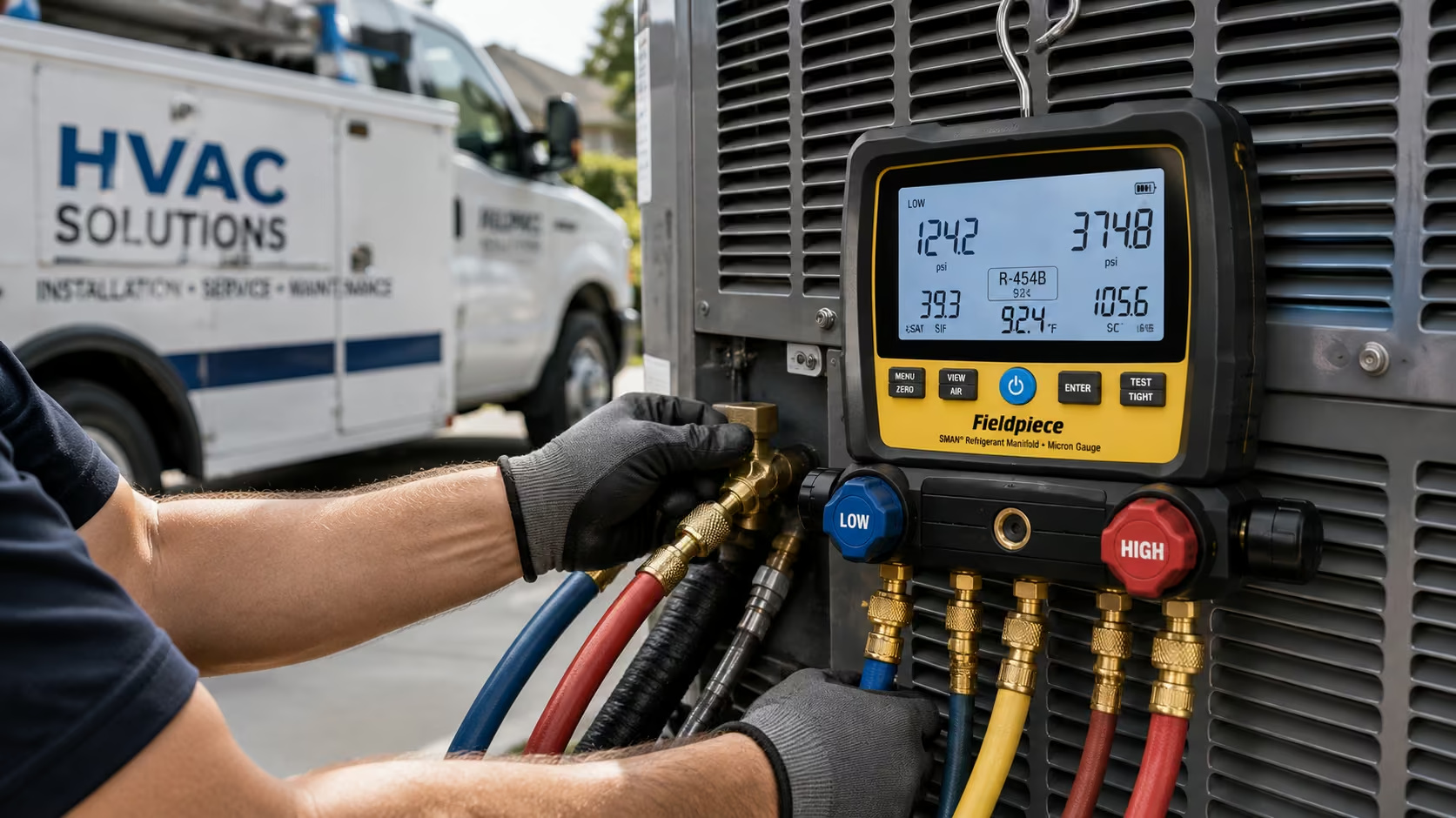
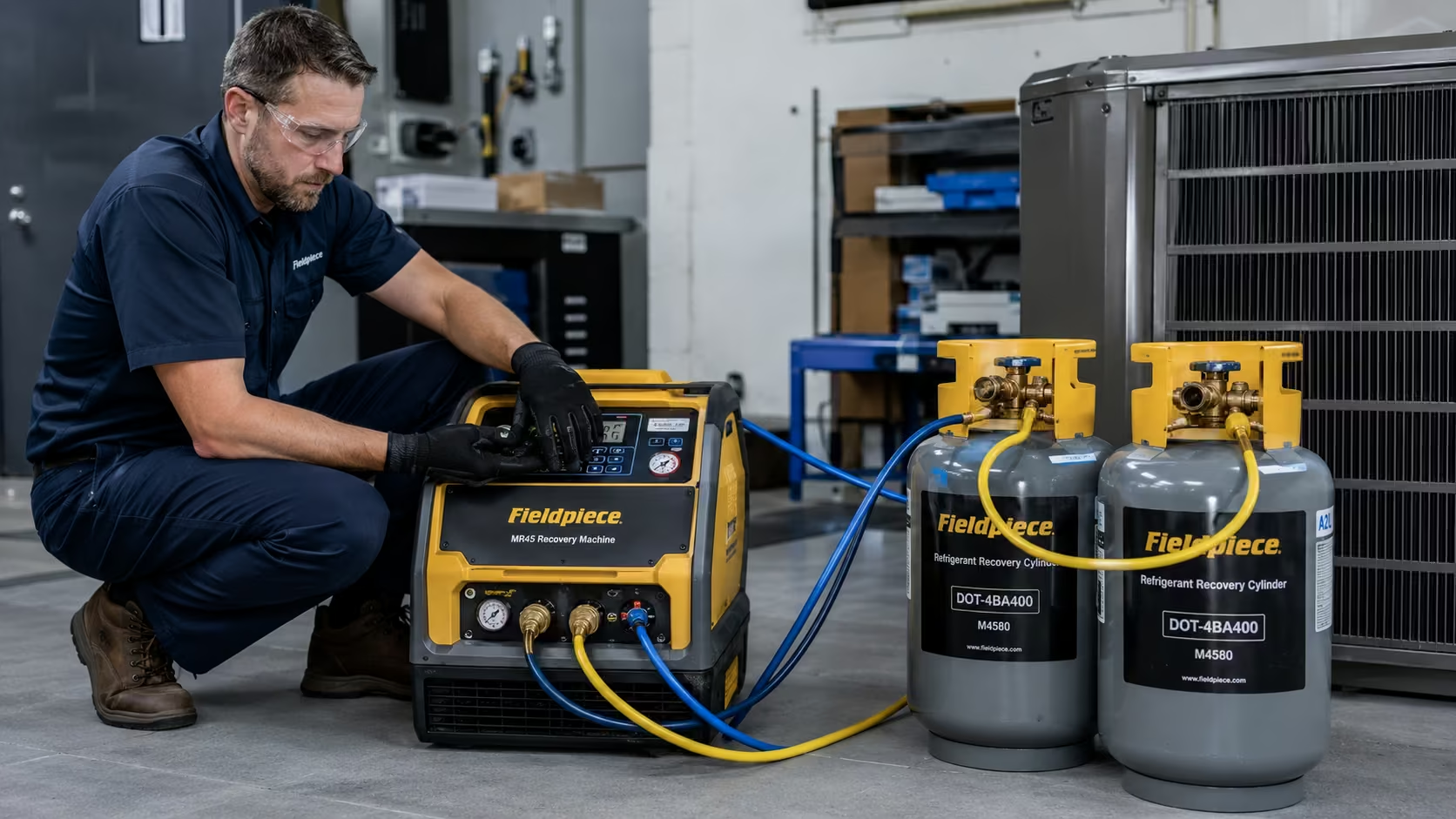
Yes. Technicians need A2L-rated manifold gauges, recovery equipment, and leak detectors before working on these systems safely and legally.
Why do most brands recommend replacement instead of retrofit?
Because the true cost of adding safety hardware, new coils, and a matching metering device approaches full replacement pricing anyway. Manufacturers do not support field retrofits for warranty reasons.
Conclusion
An R-410A to R-454B retrofit sounds simple in theory but rarely makes financial or technical sense once the real requirements are on the table. Existing systems remain legal to run and service, which gives homeowners more time than most realize before making a decision.
When the day comes to replace equipment, contractors who explain the real tradeoffs between continued R-410A service, overstock replacement, and new A2L systems earn lasting trust. Clear communication turns a confusing regulatory topic into a straightforward buying decision for every customer.