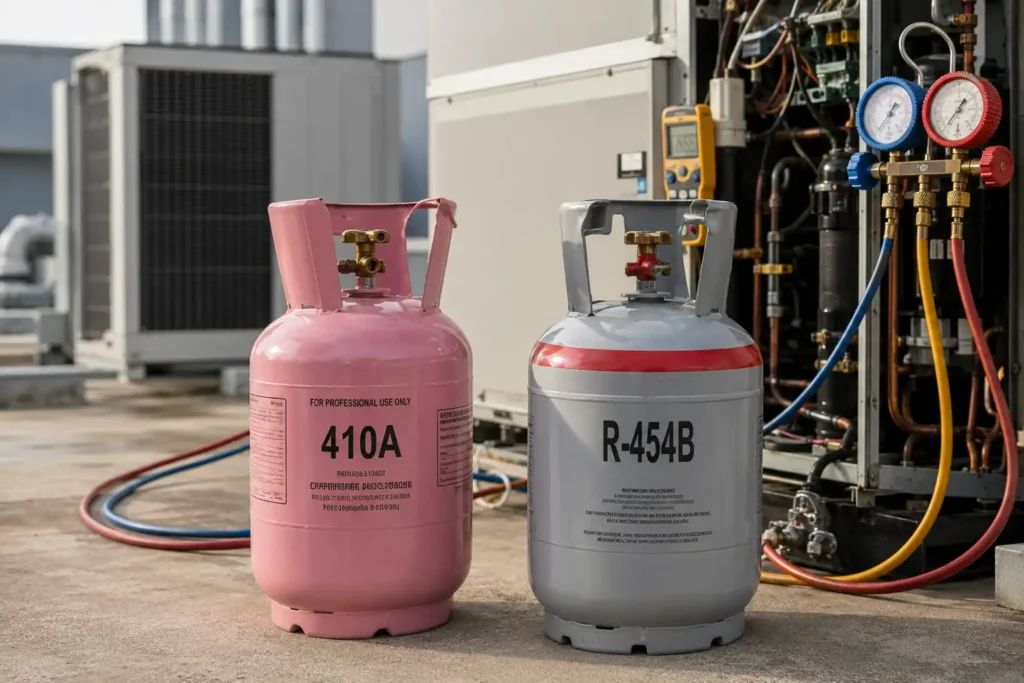

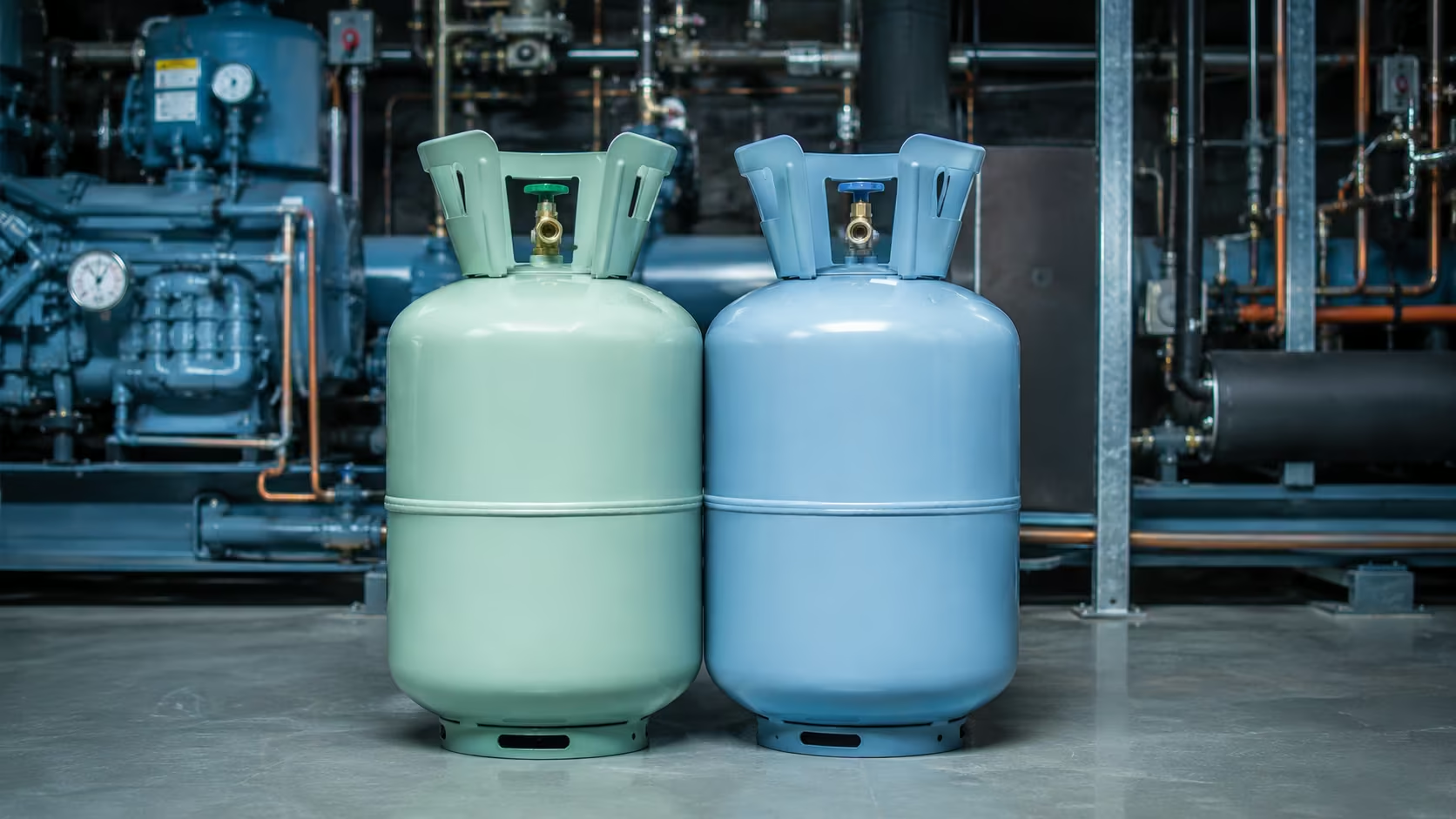
Anyone comparing R-455A vs R-454B is usually trying to solve two very different problems that happen to share a shelf at the supply house. One refrigerant is built for cooling homes. The other is built for keeping commercial freezers cold. Confusing them leads to the wrong purchase order and a system that never performs as designed.
This guide lays out exactly what separates R-455A from R-454B, from GWP and glide to the equipment each one actually belongs in, so contractors and facility managers can order the right cylinder the first time.
Two Refrigerants, Two Completely Different Jobs
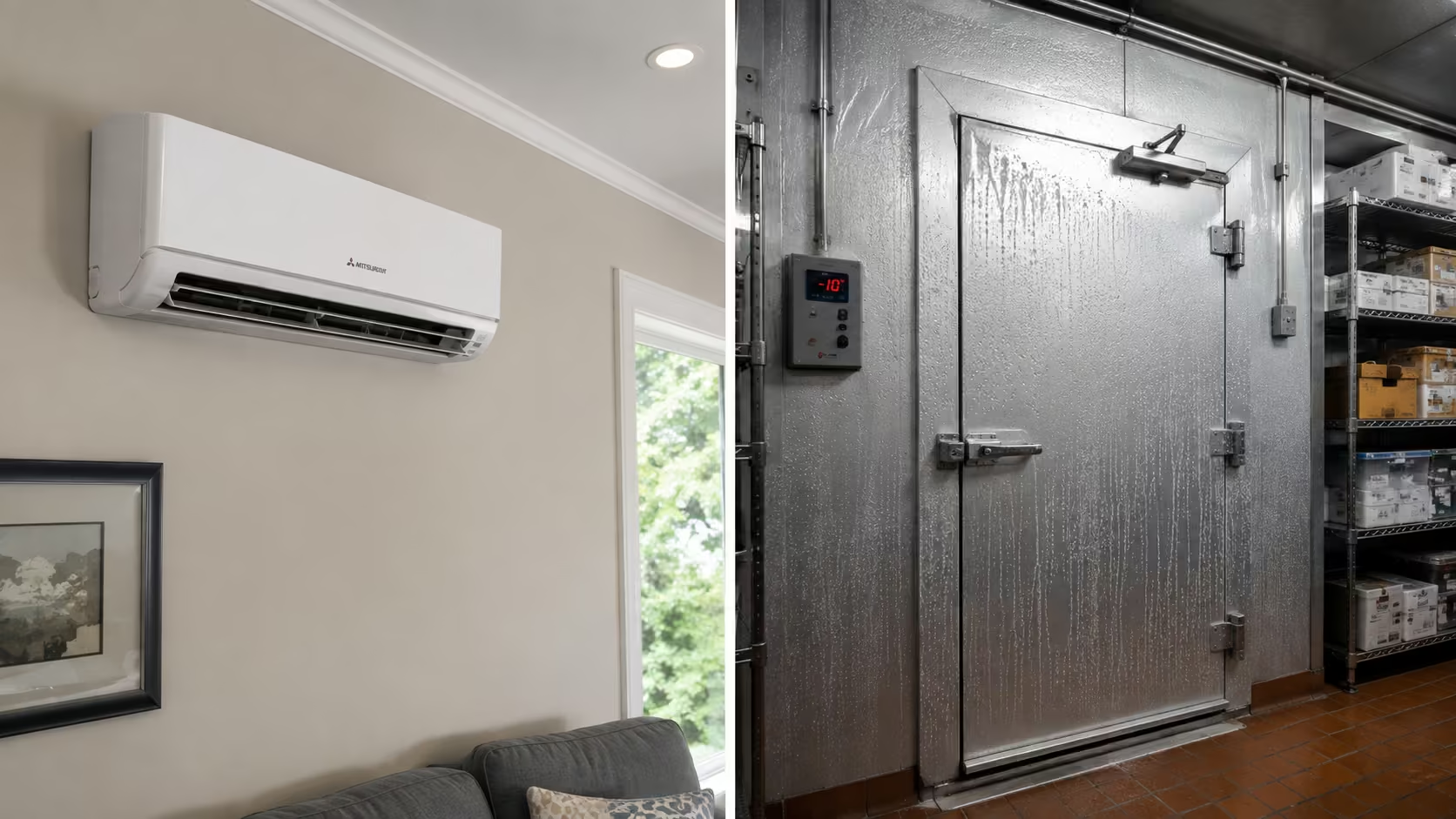
R-455A and R-454B are both A2L refrigerants developed to replace older, higher-GWP chemicals, but they were never designed to compete for the same equipment slot. Understanding their intended use is the fastest way to avoid a costly mismatch.
R-454B: The Residential and Light Commercial AC Standard
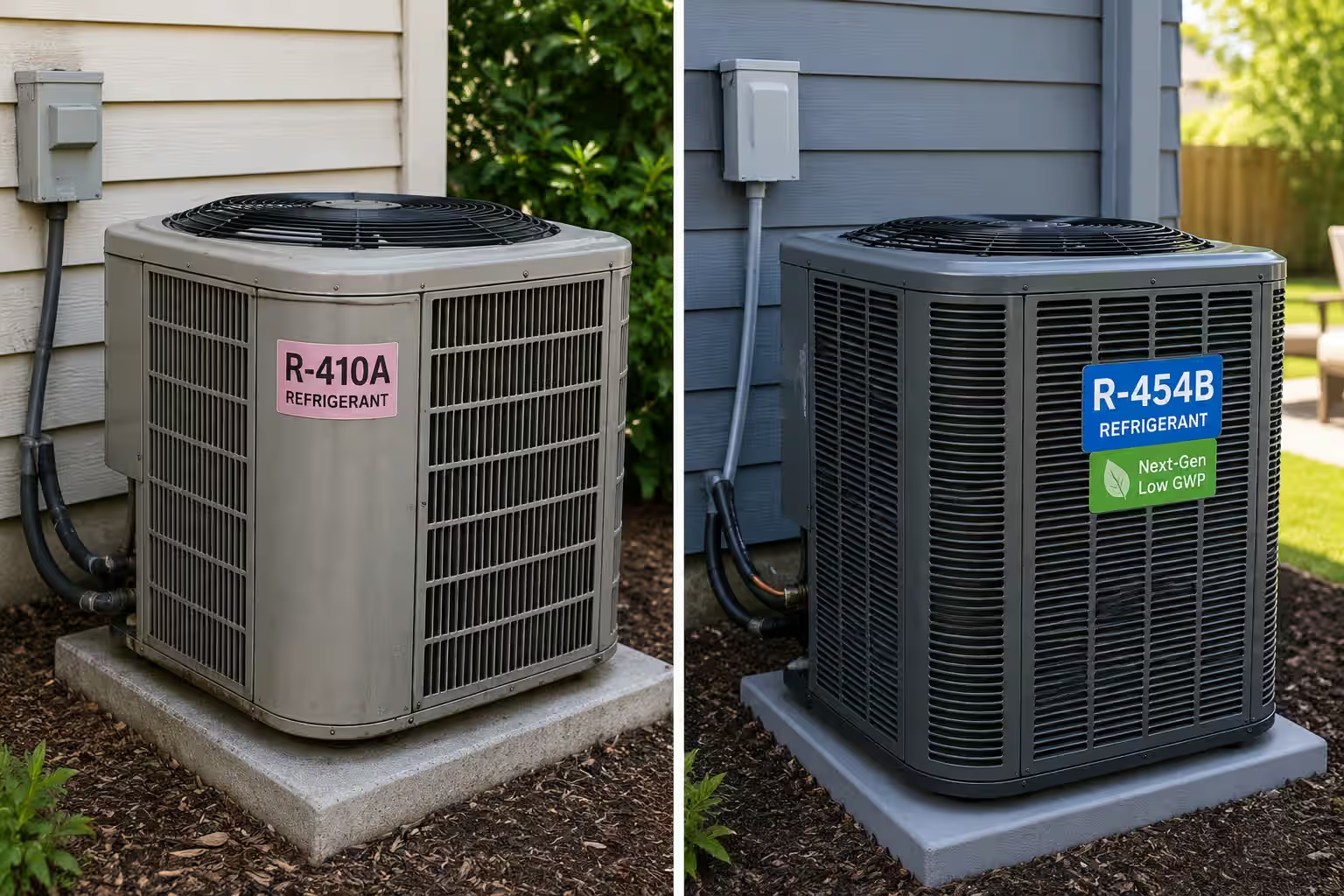
R-454B is a zeotropic blend of 68.9% R-32 and 31.1% R-1234yf, with a GWP of 466. It became the leading replacement for R-410A in residential and light commercial air conditioning because its pressure curve tracks close enough to R-410A that most equipment platforms transitioned without a ground-up redesign. It runs under the 700 GWP cap that applies to new residential AC equipment.
R-455A: The Commercial Refrigeration Replacement
R-455A, sold commercially as Solstice L40Z, is a three-component blend of roughly 75.5% R-1234yf, 21.5% R-32, and 3% CO2, landing at a GWP around 146 to 148. It was developed specifically as a long-term replacement for R-404A in commercial refrigeration, matching R-404A’s cooling capacity closely while delivering 5% to 6% better energy efficiency.
Side-by-Side Property Comparison
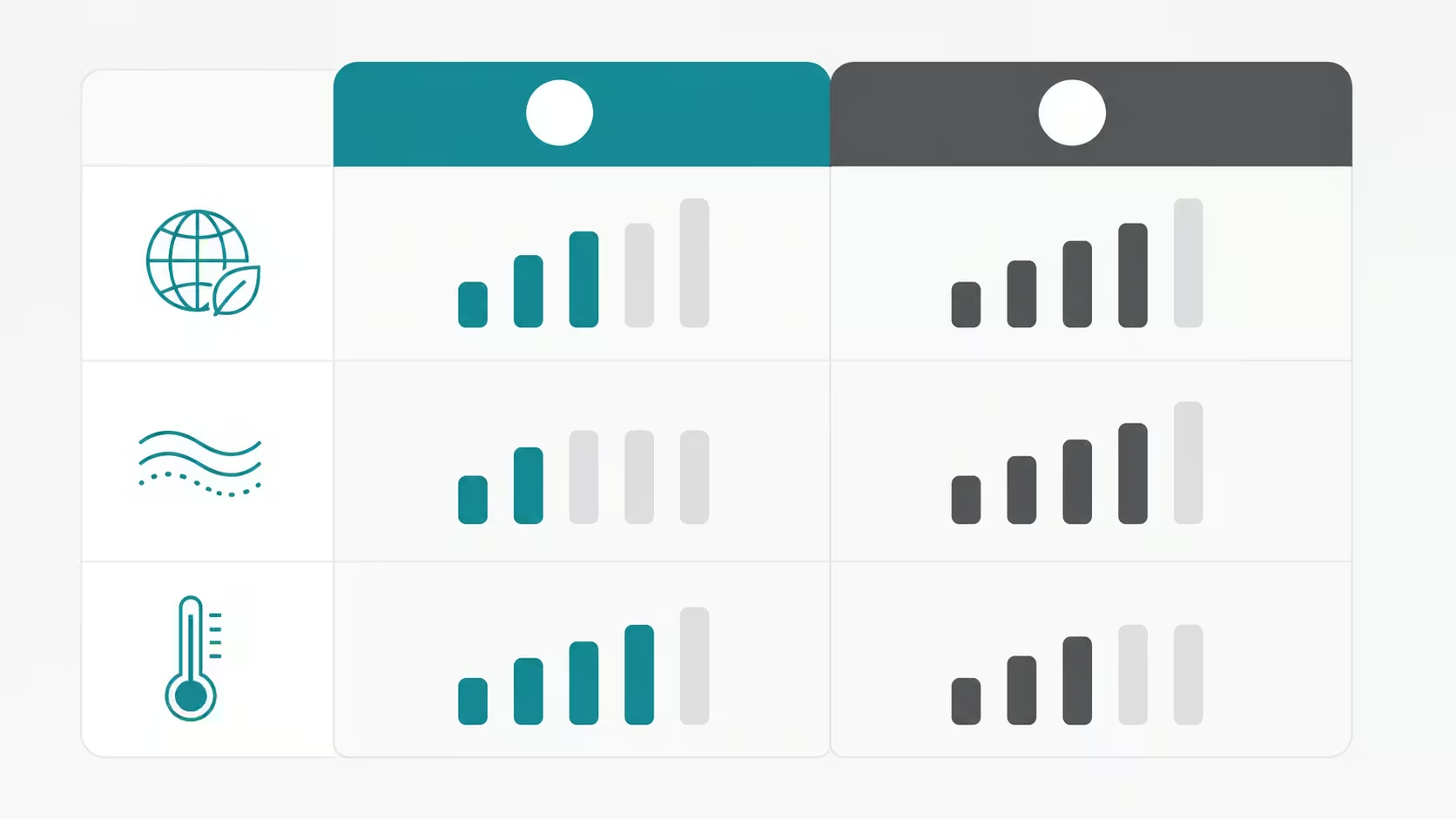
| Property | R-455A | R-454B |
|---|---|---|
| Composition | ~75.5% R-1234yf / 21.5% R-32 / 3% CO2 | 68.9% R-32 / 31.1% R-1234yf |
| GWP (AR5) | ~146–148 | 466 |
| ASHRAE Safety Class | A2L | A2L |
| Temperature Glide | ~12°C (~21.6°F) | ~2.3°F |
| Replaces | R-404A | R-410A |
| Primary Application | Commercial refrigeration | Residential/light commercial AC |
| Trade Name | Solstice L40Z | Puron Advance (some OEM lines) |
| Drop-In Compatible | No — new equipment only | No — new equipment only |
Why R-455A Runs Such a Large Temperature Glide
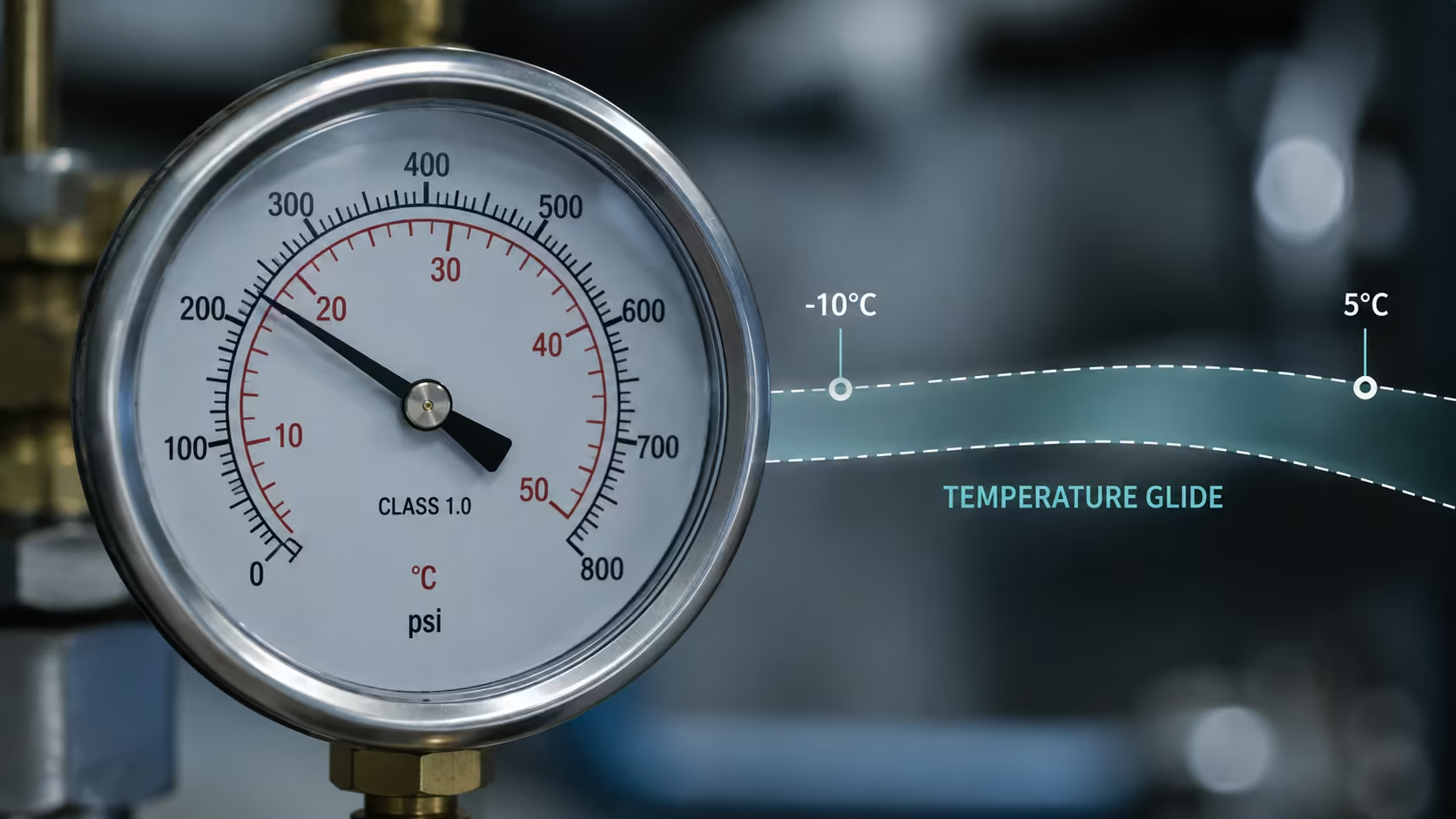
The biggest technical difference between these two refrigerants is glide, and it is not a small gap. R-455A’s glide sits around 12°C, roughly five times larger than R-454B’s 2.3°F glide. That difference changes how a technician has to think about servicing each system.
What Glide Means for Charging and Diagnostics
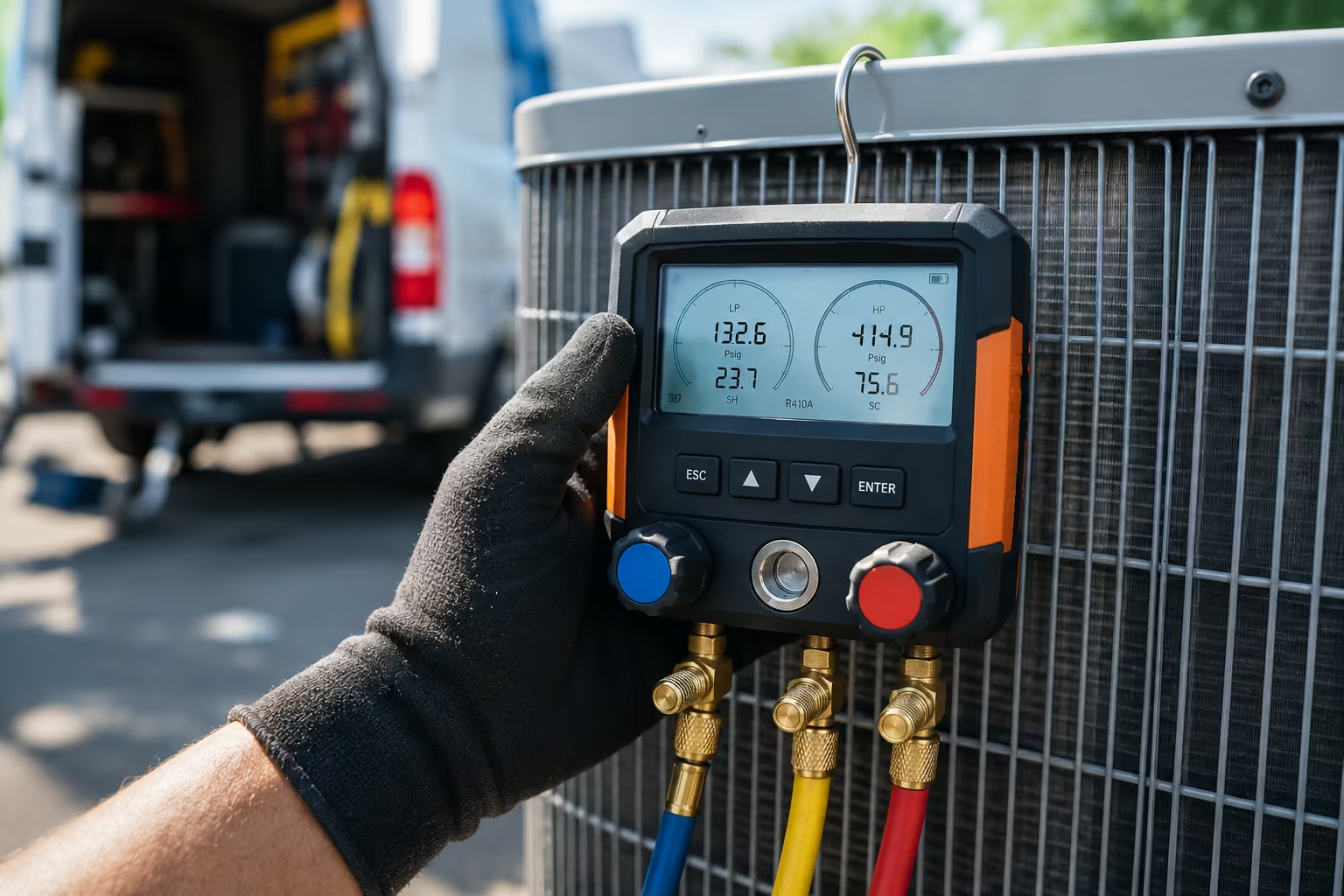
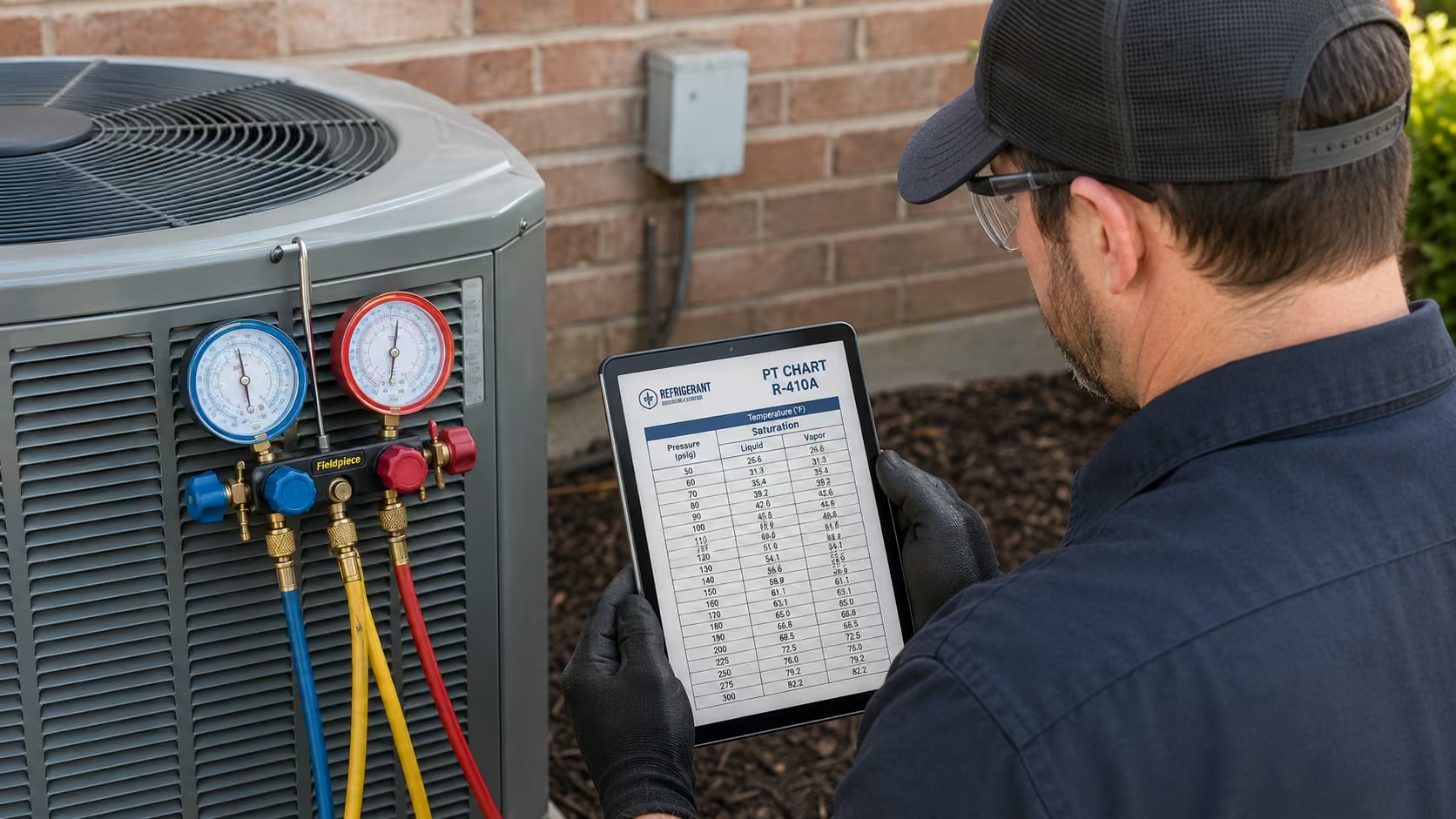
A large glide means the refrigerant does not boil or condense at one fixed temperature, but across a range. For R-455A, that spread is wide enough that superheat and subcooling readings must be calculated off the correct point of the pressure-temperature curve, or the numbers will be meaningfully wrong. This is one reason R-455A is described as suitable primarily for new equipment engineered around it, rather than a retrofit into older systems. For a refresher on reading glide correctly on any refrigerant, see our PT chart and superheat/subcooling guide.
R-454B’s Smaller Glide Simplifies Service
R-454B’s much smaller 2.3°F glide is part of why it became the default R-410A replacement for OEMs. Technicians already trained on R-410A face a shorter learning curve, since the glide-related complexity that shows up heavily in commercial refrigeration blends is far less pronounced here.
Application Matching: Where Each Refrigerant Belongs
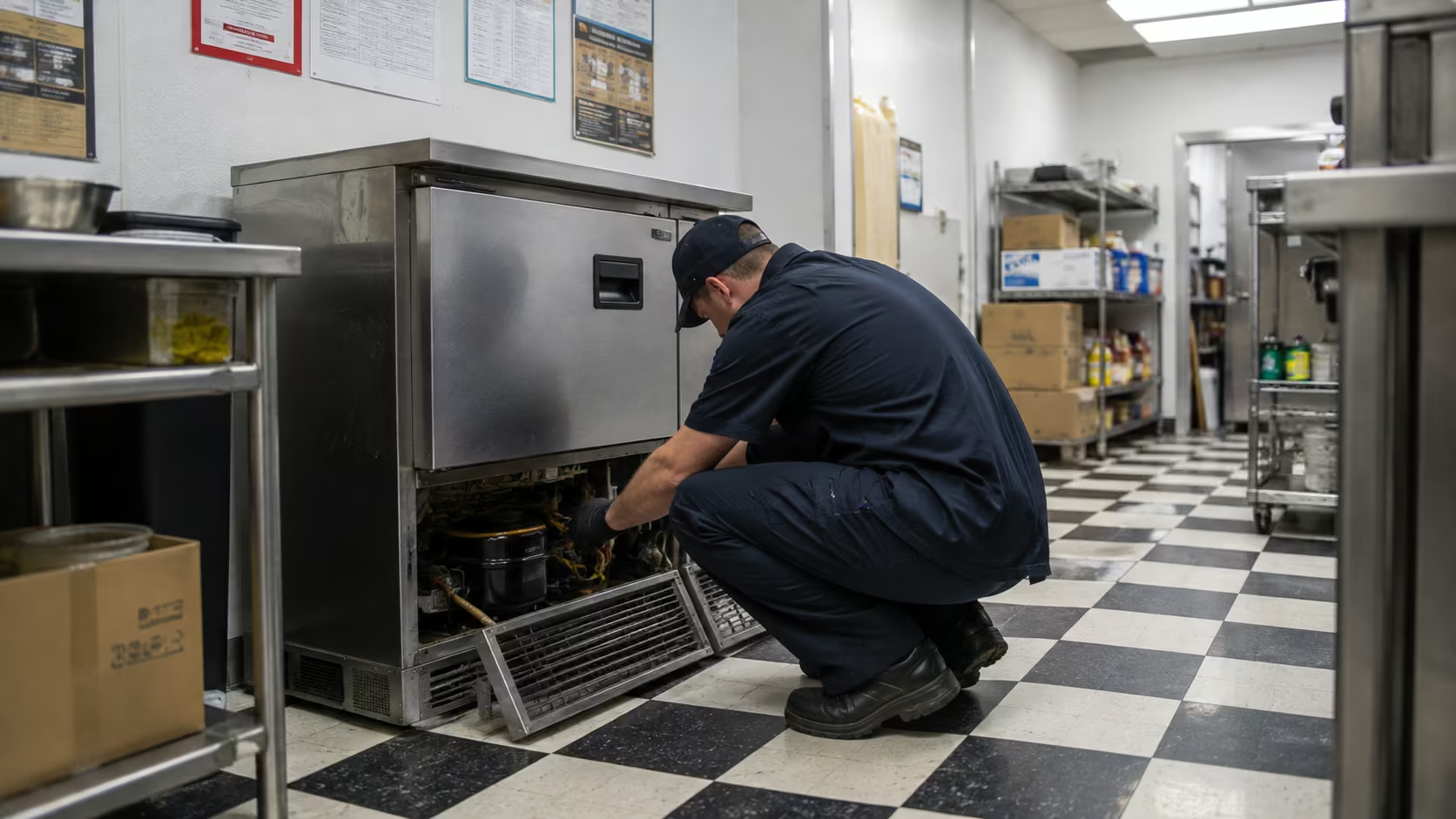
Choosing between R-455A and R-454B should never come down to whichever cylinder is in stock. The equipment class dictates the answer almost every time.
Commercial Refrigeration: R-455A’s Territory
R-455A fits freezer cabinets, display cases, small central rack systems, plug-in self-contained commercial refrigerators and freezers, and even heat pumps in high-ambient-temperature regions. It was built to satisfy the tighter GWP requirements now applying to commercial refrigeration equipment, sitting comfortably under the 150 GWP threshold used in EU F-Gas regulation and matched by tightening U.S. sector caps.
Residential and Light Commercial AC: R-454B’s Territory
R-454B belongs in ducted residential systems, light commercial rooftop units, and split-system heat pumps replacing R-410A equipment. It is not formulated or rated for the low-temperature commercial refrigeration work R-455A was built to handle.
Neither Is a Universal Answer
Some equipment categories fit neither refrigerant well. Self-contained units under a 150-gram charge limit per circuit often use R-290 (propane) instead, since its A3 classification comes with its own charge-limit rules that keep small systems compliant without needing either R-455A or R-454B.
GWP and Regulatory Pressure Behind the Split
Both refrigerants exist because different equipment categories face different compliance ceilings, and manufacturers engineer blends to clear the specific cap that applies to their target market.
Why 150 GWP Matters for R-455A
Most commercial refrigeration equipment now falls under a 150 GWP ceiling, both under EU F-Gas rules and the tightening U.S. sector caps for the 2026–2027 phase-in window. R-455A’s GWP of roughly 146 to 148 was engineered specifically to clear that bar, positioning it alongside R-454C as one of the compliant next-generation options for R-404A replacement.
Why 700 GWP Is the Relevant Number for R-454B
Residential and light commercial AC equipment falls under a looser 700 GWP cap under the AIM Act, which is why R-454B’s 466 GWP is comfortably compliant without needing the extreme glide trade-offs that come with pushing GWP as low as R-455A does.
Safety and Handling: What’s the Same, What’s Different
Both refrigerants share the A2L safety classification, meaning low toxicity and mild flammability, but the equipment and service requirements built around that classification look different depending on the application.
A2L Tooling Applies to Both
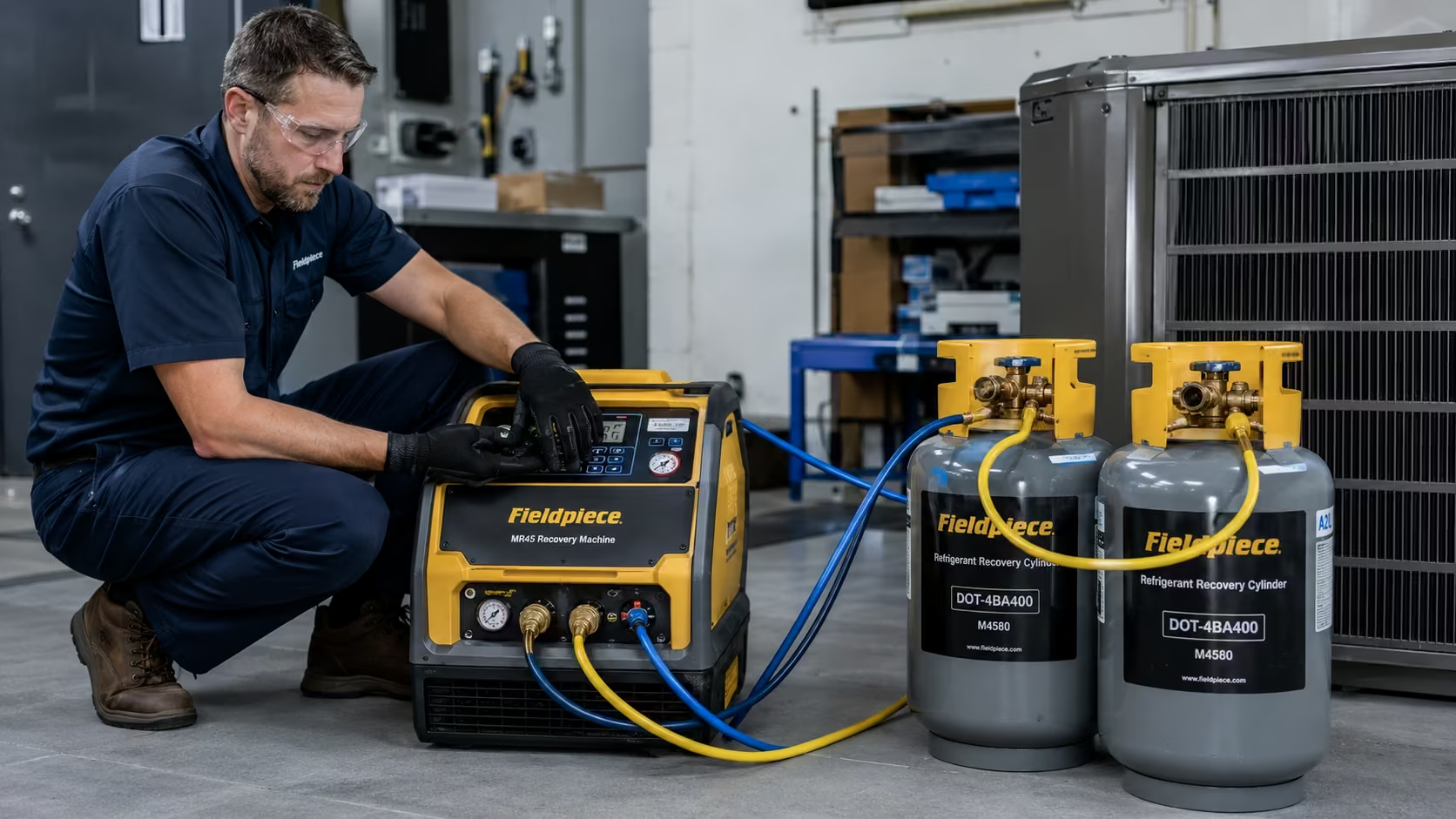
Technicians working with either refrigerant need A2L-rated manifolds, hoses, recovery equipment, and hydrocarbon-capable leak detectors. Standard halogen leak detectors used for older refrigerants are not sensitive enough for A2L chemistry.
Storage and Transport Considerations
Because both refrigerants are mildly flammable, storage, transport, and job-site handling follow updated A2L protocols rather than legacy non-flammable refrigerant practices. Ventilation, spark control, and cylinder handling all matter more than they did with A1 refrigerants like R-404A or R-410A. Our A2L handling and storage guide covers the full protocol.
Frequently Asked Questions
Can R-455A be used as a drop-in replacement for R-404A?
No. R-455A’s large temperature glide and different pressure profile mean it needs equipment specifically designed or modified for it, not a same-day refrigerant swap.
Is R-455A safe to use given its A2L classification?
Yes, when installed in properly designed and certified equipment. A2L refrigerants are mildly flammable but require a real ignition source and have slow flame propagation, and equipment includes leak detection to manage that risk.
Why does R-455A contain a small amount of CO2?
The roughly 3% CO2 component helps tune the blend’s operating characteristics and contributes to its very low GWP without pushing R-1234yf content to an extreme that would hurt capacity further.
Does R-455A match R-404A’s cooling capacity?
Yes, R-455A is designed to closely match R-404A’s capacity while delivering roughly 5% to 6% better energy efficiency, making it a practical next-generation replacement.
Can R-454B be used in commercial refrigeration equipment instead of R-455A?
It is not the standard choice, since R-454B’s 466 GWP does not clear the 150 GWP cap that increasingly applies to commercial refrigeration equipment under current regulation.
What is R-455A’s trade name?
It is commercially known as Solstice L40Z.
Do R-455A and R-454B require different service tools?
Both need A2L-rated tools generally, but pressure ratings and glide-aware measurement practices differ enough that equipment engineered for one is not simply reused for the other.
Which refrigerant has the lower GWP, R-455A or R-454B?
R-455A, at roughly 146 to 148 GWP, compared to R-454B’s 466 GWP.
Conclusion
R-455A and R-454B solve two different regulatory and mechanical problems. R-455A pushes GWP down near 148 to satisfy tightening commercial refrigeration caps, accepting a large temperature glide in exchange. R-454B keeps glide small and pressure familiar, making it the practical choice for residential and light commercial air conditioning under the more forgiving 700 GWP cap.
Matching the refrigerant to the equipment class, not the lowest GWP number available, remains the right way to choose. For more refrigerant guides and resources, visit SmartRefrigerants.com.