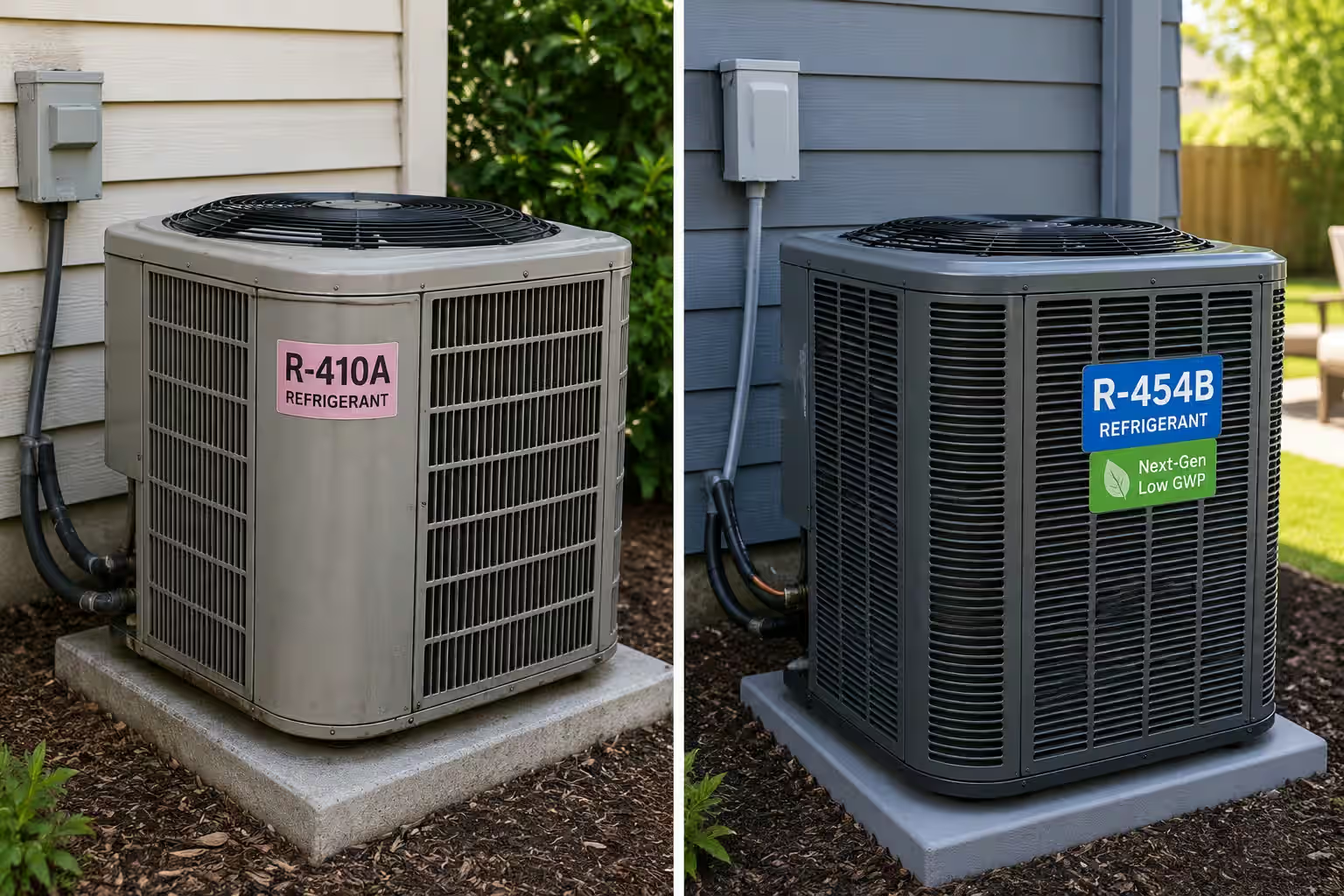

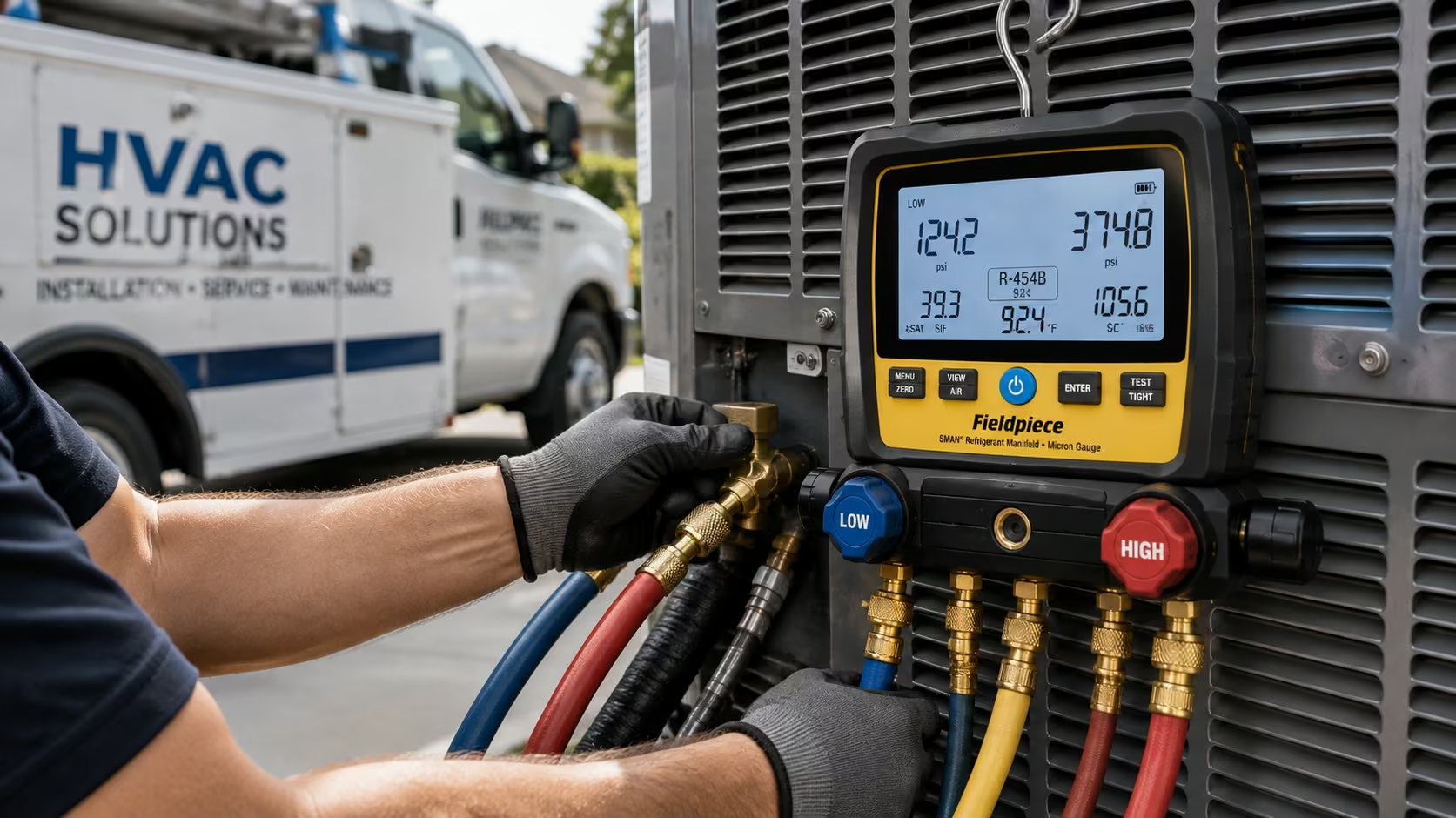
A technician shows up on a service call and reaches for last year’s gauge set, only to realize it was never rated for A2L work. That gap is costing crews time, callbacks, and in some cases safety compliance, as R-32 and R-454B systems keep replacing R-410A across the residential and light commercial market.
Buying the wrong manifold gauge set for A2L refrigerants is an easy mistake with real consequences. This guide walks through what actually changes with A2L refrigerants, which manifold gauge set fits which type of work, and how to build a truck kit that will not need replacing the moment the next refrigerant transition arrives.
Why A2L Refrigerants Change What You Need From a Manifold Gauge Set
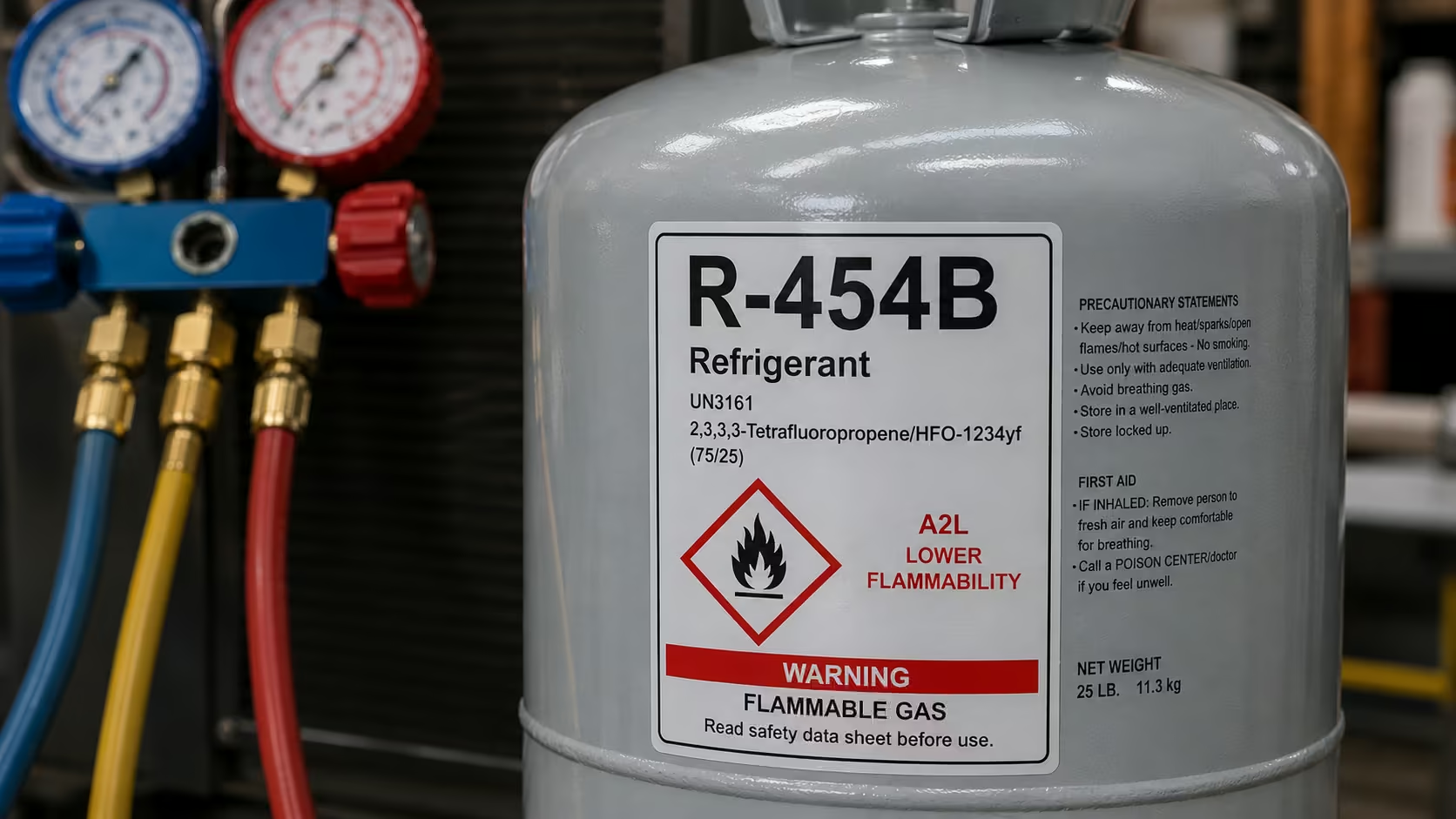
A2L refrigerants like R-32 and R-454B are classified as mildly flammable, which is a genuinely new category for most residential techs. The “2L” designation means these refrigerants can ignite under specific concentration and ignition conditions, even though they need far more energy to ignite than typical flammable gases.
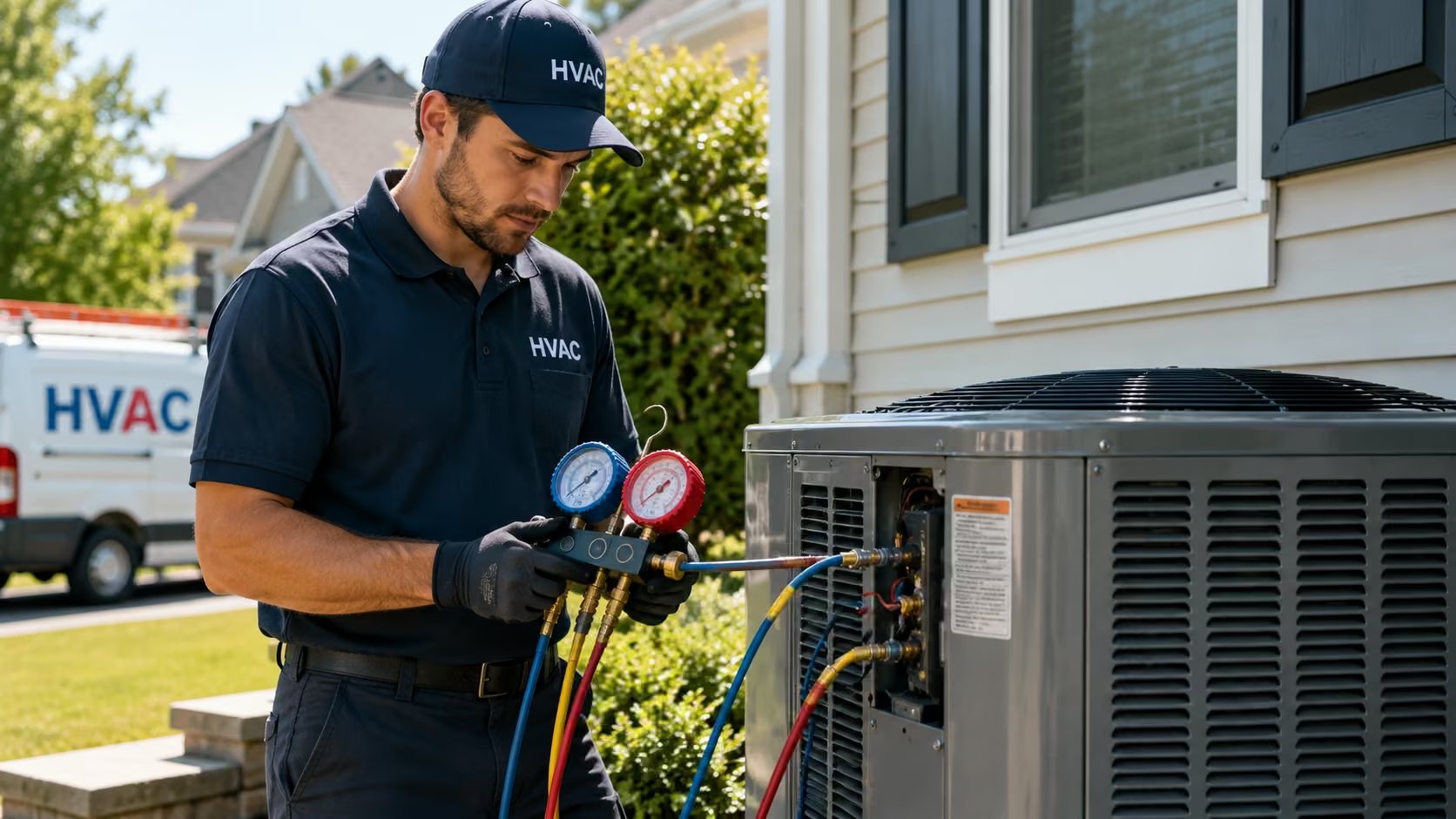
That classification does not automatically mean every hose and gauge face needs replacing. What it does mean is that a technician has to know exactly what their manifold gauge set is rated for before connecting it to an A2L system, alongside the rest of the A2L tools and equipment needed for R-454B and R-32 service.
Pressure Differences You Actually Need to Know
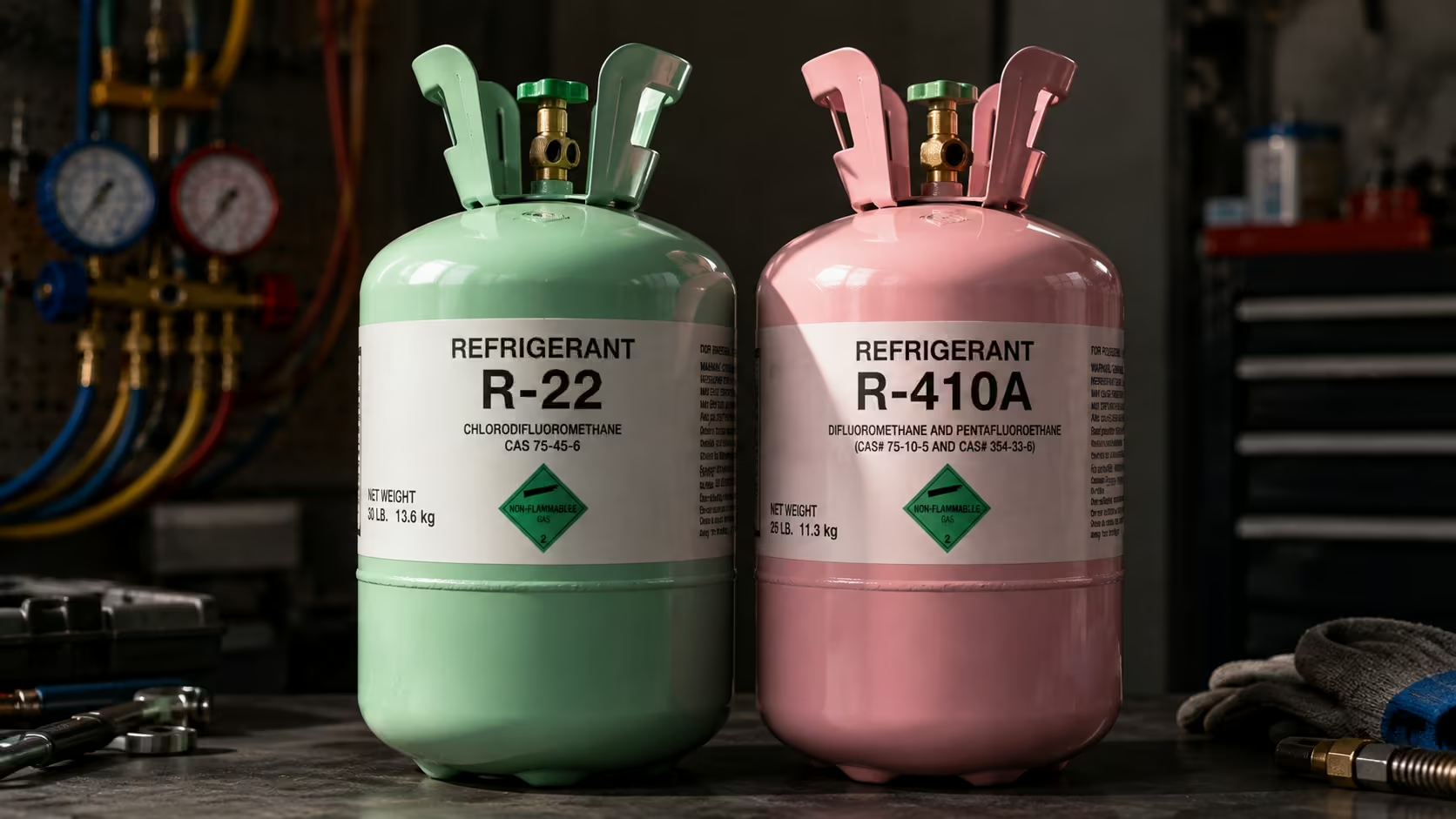
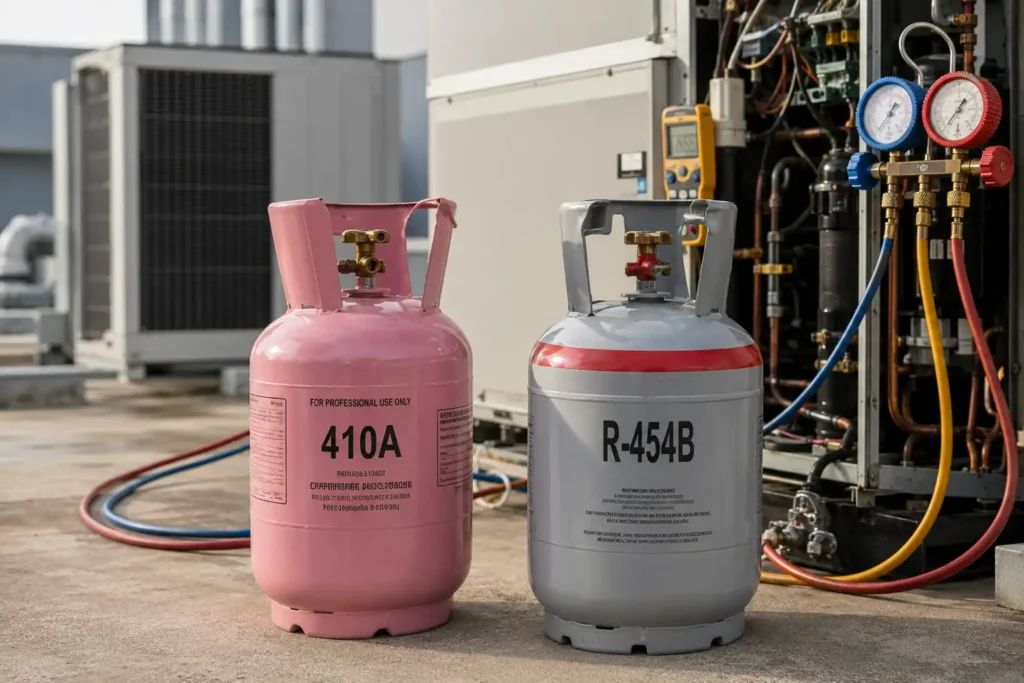
R-454B operates within roughly five percent of R-410A pressures, which surprises a lot of techs expecting a dramatic jump. R-32 runs slightly higher in some conditions but stays close enough that most properly rated R-410A hardware handles it without failure.
The real issue is not raw pressure capacity. It is whether the gauge face and internal firmware actually display accurate saturation data for the specific A2L refrigerant on the system in front of you.
Oil Compatibility and Cross-Contamination
Most A2L equipment uses the same POE oil found in R-410A systems, which is why many techs report sharing gauges works fine in practice. The bigger concern some contractors raise is trace oil residue moving between systems through the hoses themselves.
Purging hoses with nitrogen between jobs and avoiding mixed refrigerant contamination solves most of this concern without buying a completely separate gauge set for every refrigerant type.
Fitting and Hose Differences
Some A2L service ports use reverse-threaded or left-hand threaded fittings, which is the detail that trips up techs who assume every hose from their existing kit will simply screw on. A dedicated A2L hose set with the correct thread pattern avoids fumbling with adapters mid-job.
Confirming fitting compatibility before a service call saves the awkward moment of standing at the unit with the wrong hose in hand.
Digital vs Analog: Which Belongs in an A2L Truck Kit
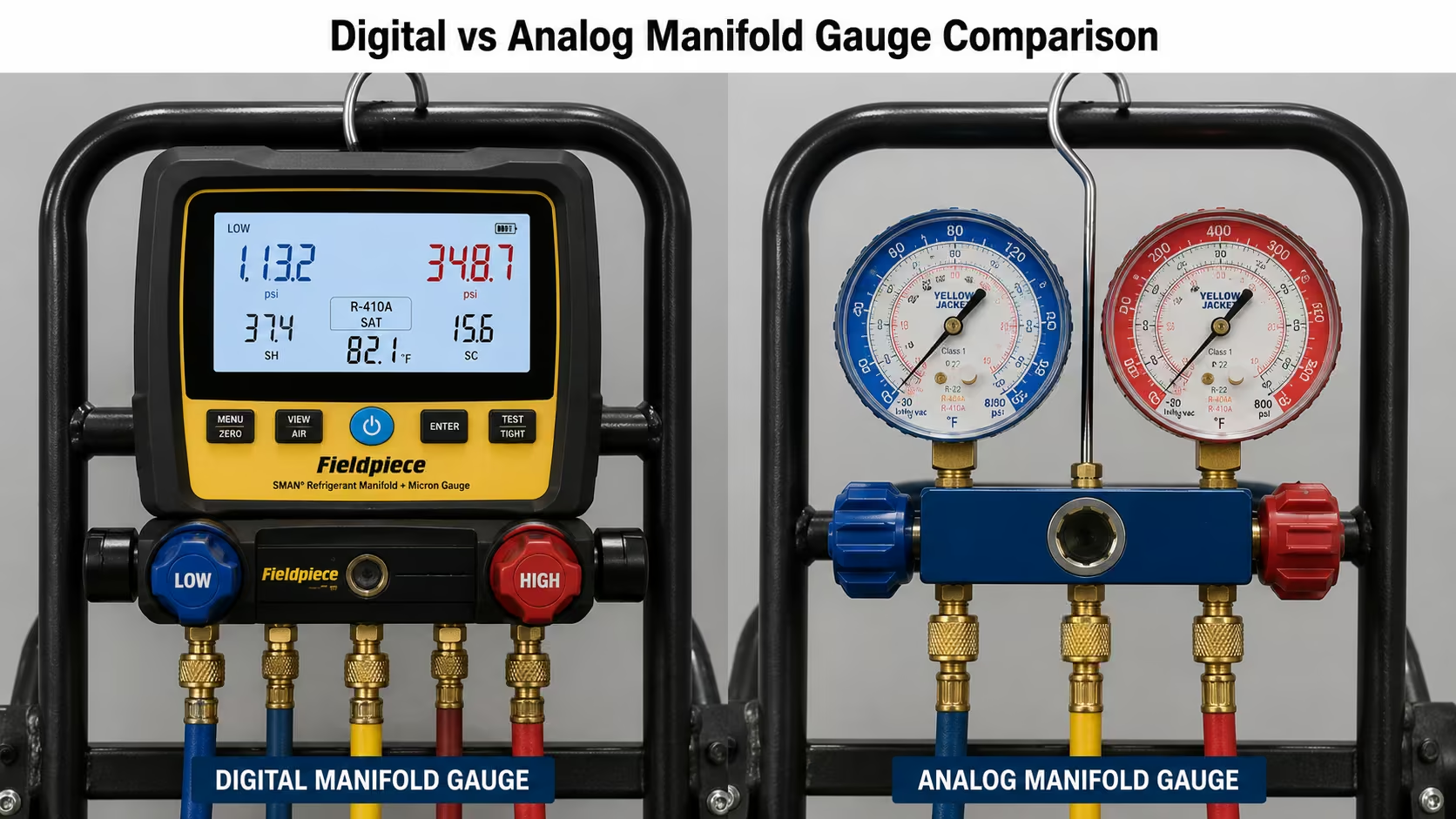
This debate existed long before A2L refrigerants arrived, but the stakes are higher now. Modern inverter-driven systems run tight superheat and subcooling targets, sometimes within two or three degrees, which pushes analog dials past their comfortable accuracy range.
Neither format is obsolete. The right choice depends heavily on what kind of calls a technician runs most often.
When Digital Manifolds Earn Their Price
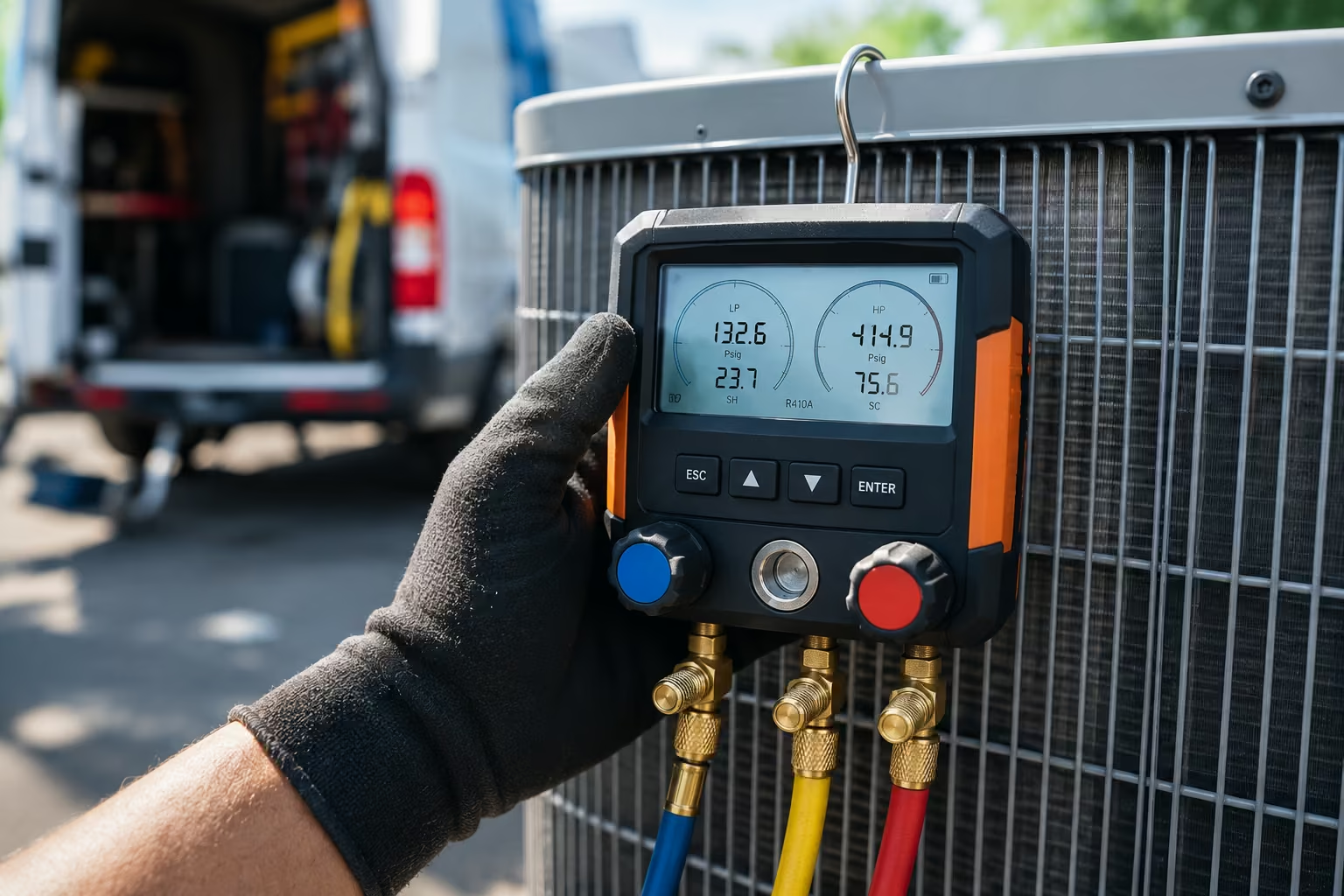
Digital manifolds calculate superheat and subcooling automatically using clamp-on temperature probes, which removes the manual PT chart math entirely. Built-in refrigerant profiles covering R-32, R-454B, R-410A, and dozens of others mean the same tool works across an entire mixed-refrigerant service area.
For diagnostics, callbacks, and commissioning new inverter equipment, that automatic calculation and data logging genuinely saves time on every single call.
When Analog Still Makes Sense
Analog gauges need no batteries, tolerate rain and rough handling, and give an instant visual read that any inspector can verify at a glance. New construction rough-ins and pressure testing with nitrogen are exactly the scenarios where analog reliability outperforms a digital screen.
A well-built truck kit usually carries both, using analog for fast charge checks and digital for anything requiring precise diagnostic numbers.
Matching the Tool to the Job Type
Emergency residential service calls on hot days favor digital speed and accuracy, since a tech needs a fast answer on whether the problem is a dirty coil, a failing metering device, or a low charge. Large installation jobs and pressure testing favor analog durability instead.
Crews running a mix of both job types often standardize on one digital set per truck plus a backup analog set for redundancy.
Top A2L-Rated Manifold Gauge Sets to Consider in 2026
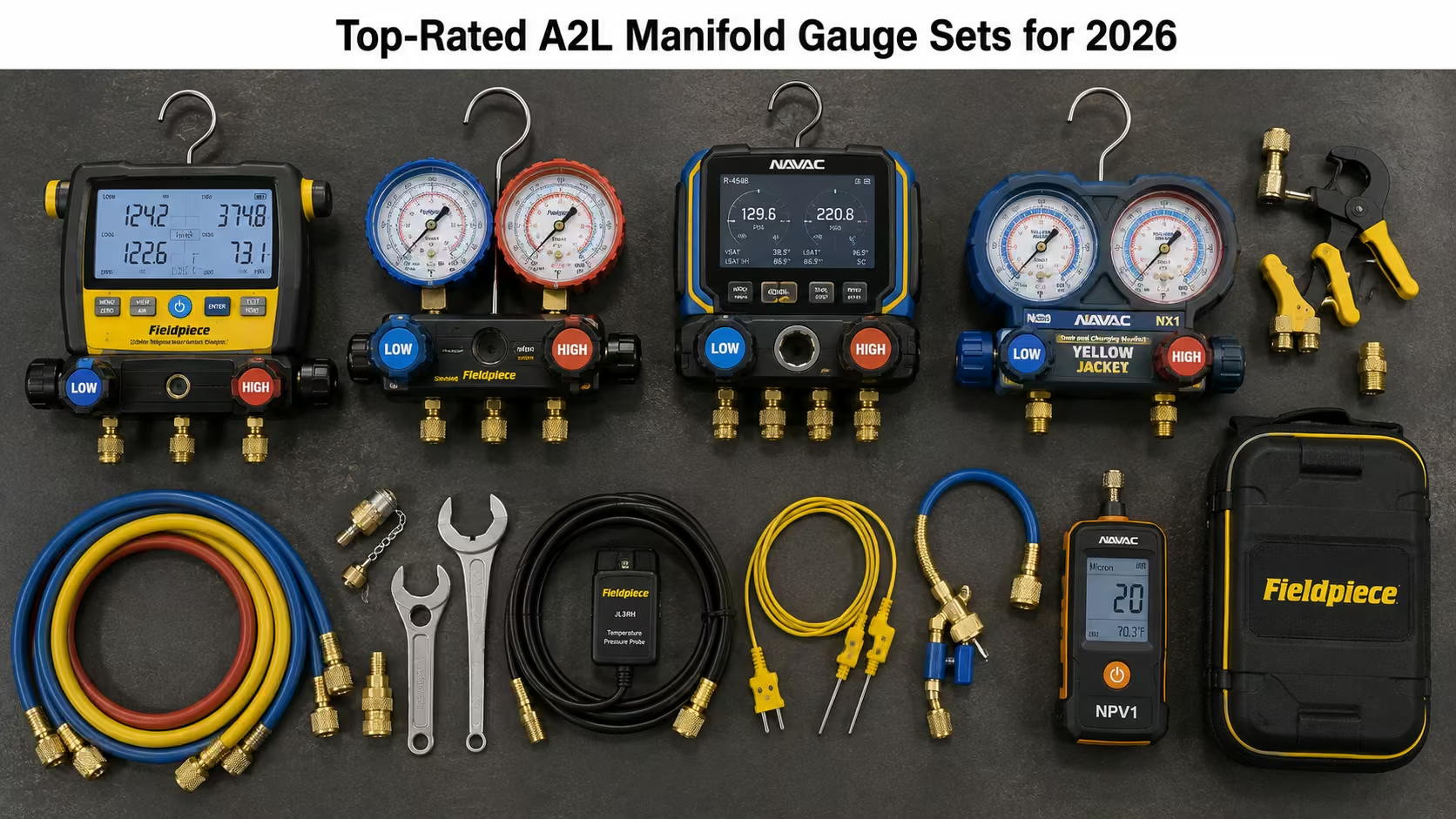
Several brands dominate the professional space, and each fits a slightly different working style. None of these recommendations replace checking the specific A2L certification label on the unit before purchase.
Picking based on how a crew actually works matters more than chasing the newest feature list.
Fieldpiece SMAN Series
Fieldpiece’s wireless probe-based digital manifolds remain the most common choice among techs moving toward A2L work. Built-in PT tables cover R-32, R-454B, R-410A, and most other refrigerants a mixed-equipment service area will encounter, and app syncing simplifies building service reports for customers.
Many contractors label a dedicated A2L-only Fieldpiece set separately from their standard set to avoid any cross-contamination concerns raised by their manufacturers or training programs.
Testo Digital Manifolds
Testo’s compact digital sets pair a clear display with accurate wireless probes, which reduces hose length and the refrigerant loss that comes with longer runs during diagnostic work. Techs who prioritize precise readings over automatic charging features often lean toward this brand.
Firmware updates that expand refrigerant profile lists keep these units useful as new A2L blends continue entering the market.
Yellow Jacket and Robinair Analog Sets
For techs who still want a dependable analog backup, Yellow Jacket’s Series 41 and similar Robinair sets remain the standard. Confirming the gauge face includes accurate A2L scale data, and that hoses carry the correct A2L-rated fitting, is essential before trusting an analog set on flammable refrigerant work.
These sets shine during new installation and pressure testing work where battery-free reliability outweighs automatic calculation.
Building a Complete A2L Service Kit Beyond the Gauges
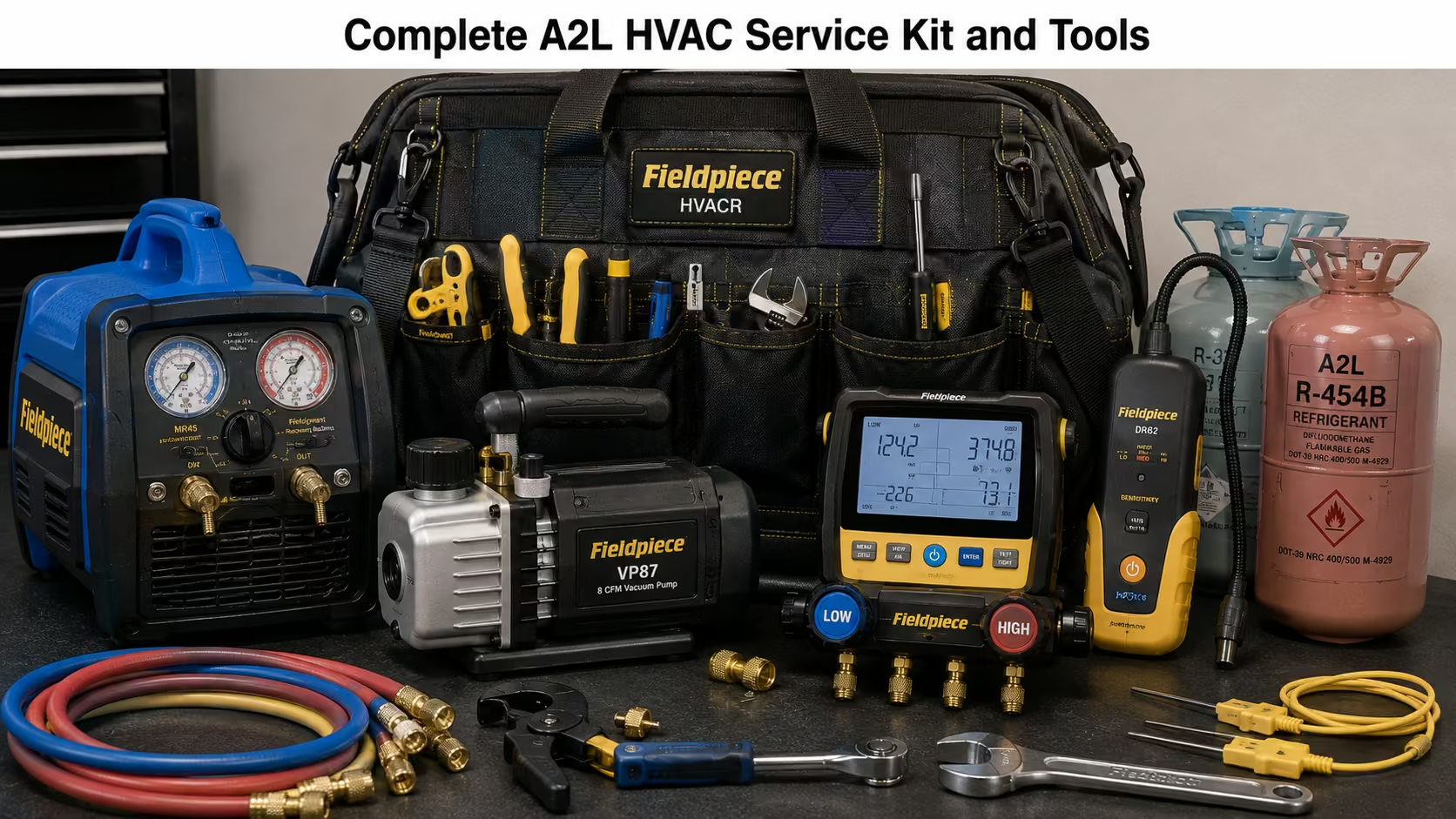
A manifold gauge set alone does not make a truck A2L-ready. Several supporting tools round out a compliant, efficient setup, and skipping any of them creates gaps that show up mid-job.
Reviewing the full A2L equipment checklist alongside the gauge purchase helps avoid buying pieces separately over several months.
Vacuum Pumps and Recovery Machines Rated for A2L
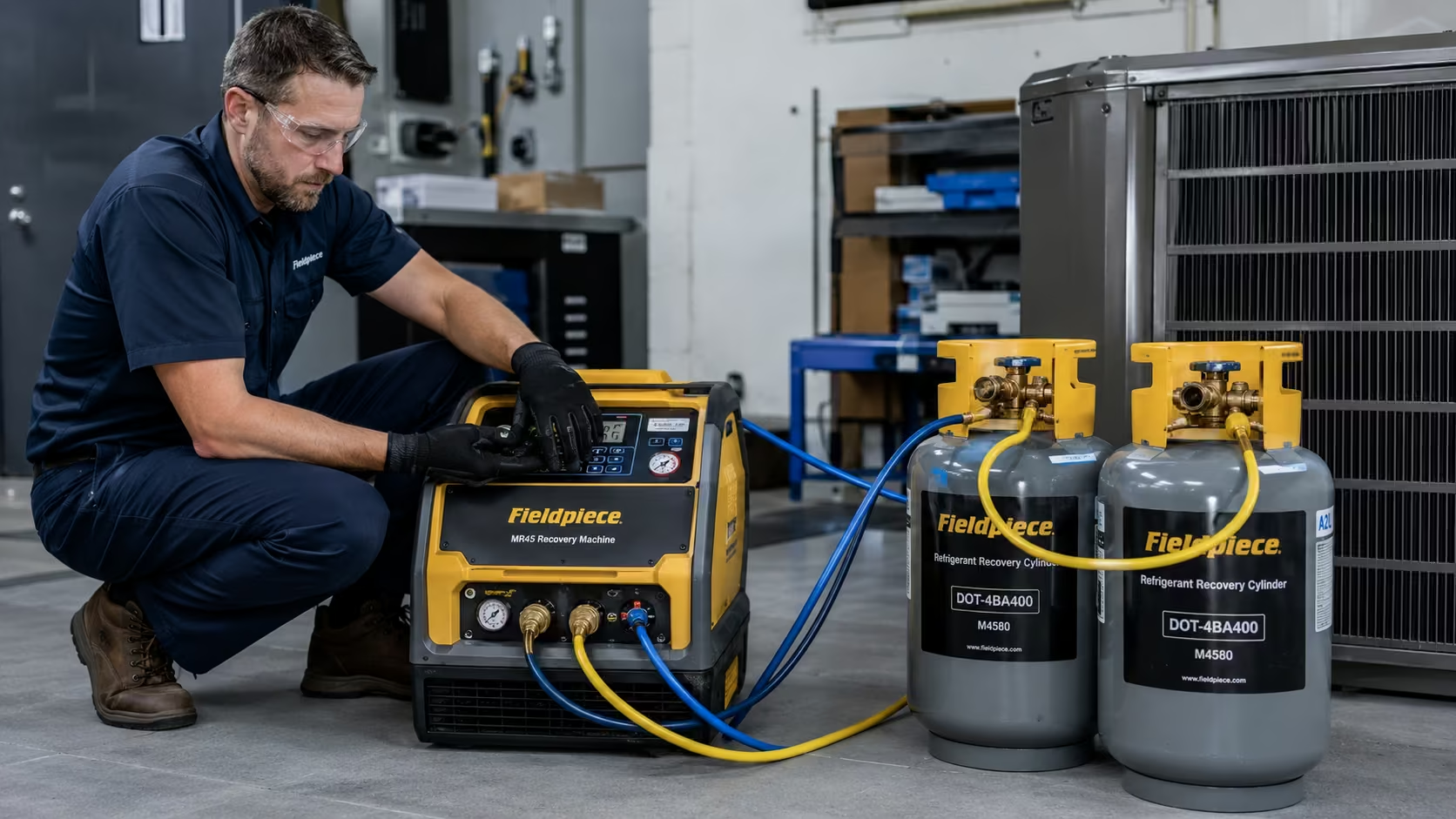
Recovery machines and vacuum pumps both need explicit A2L certification, not just a high-pressure rating. Using equipment that was only ever tested against R-410A on a flammable refrigerant system creates a genuine safety gap that a certification label is meant to prevent.
Confirming AHRI or UL certification on any recovery equipment before it touches an A2L system protects both the technician and the business liability.
Leak Detectors Built for Flammable Refrigerants
Standard leak detectors calibrated for HFCs do not always respond accurately to A2L blends. A2L-rated detectors account for the different chemical signature and lower ignition threshold these refrigerants carry.
Pairing a proper detector with the gauge set closes one of the more overlooked safety gaps crews run into during the transition.
Reading the Numbers Correctly
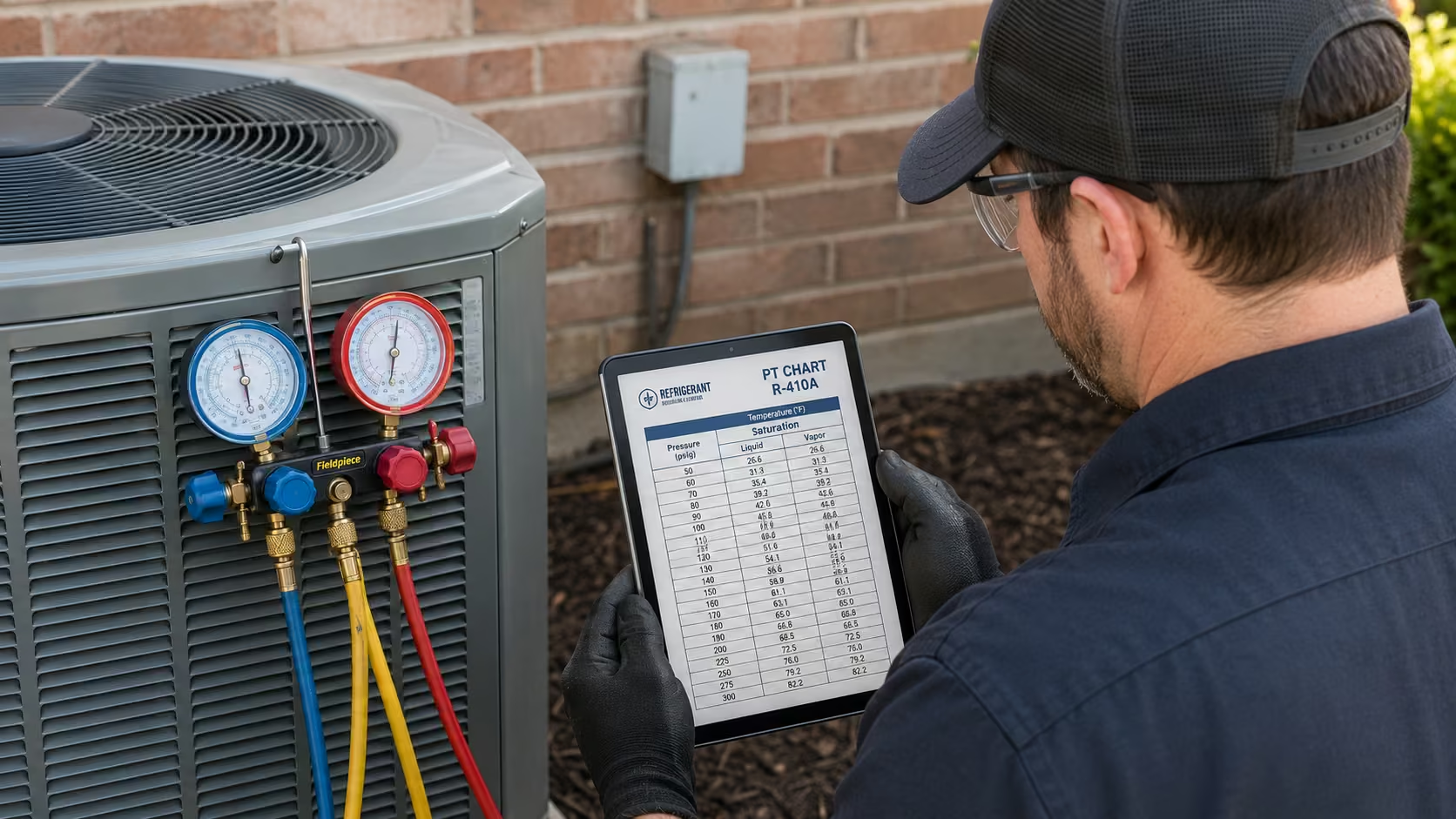
Even the best manifold gauge set is only as useful as the technician’s ability to interpret the readings against a proper pressure-temperature reference. Reading that reference correctly walks through exactly how to translate gauge pressure into accurate superheat and subcooling numbers.
Skipping this step turns an accurate digital readout into a guess the moment a tech has to interpret it manually during a firmware hiccup or battery failure.
Storage, Transport, and Handling Rules That Affect Your Tools
A2L refrigerant classification does not stop at the manifold. Storage, transport, and handling practices around the refrigerant itself shape how a service kit gets organized in the truck.
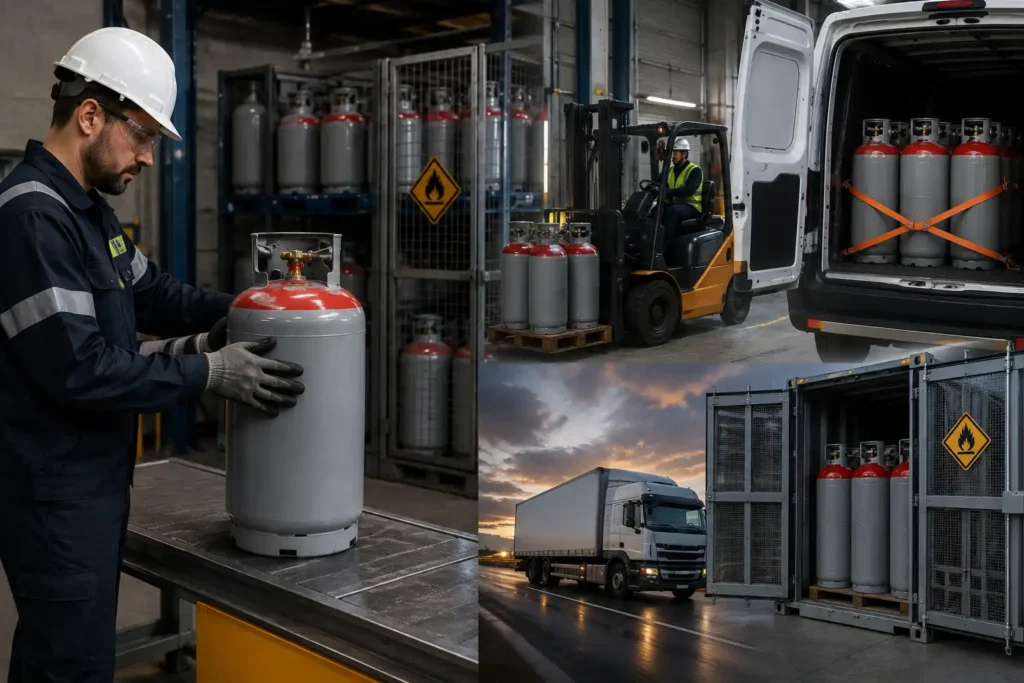
Our A2L handling, storage, and transport guide covers the broader compliance picture that a gauge purchase decision fits into.
Keeping Cylinders and Hoses Organized
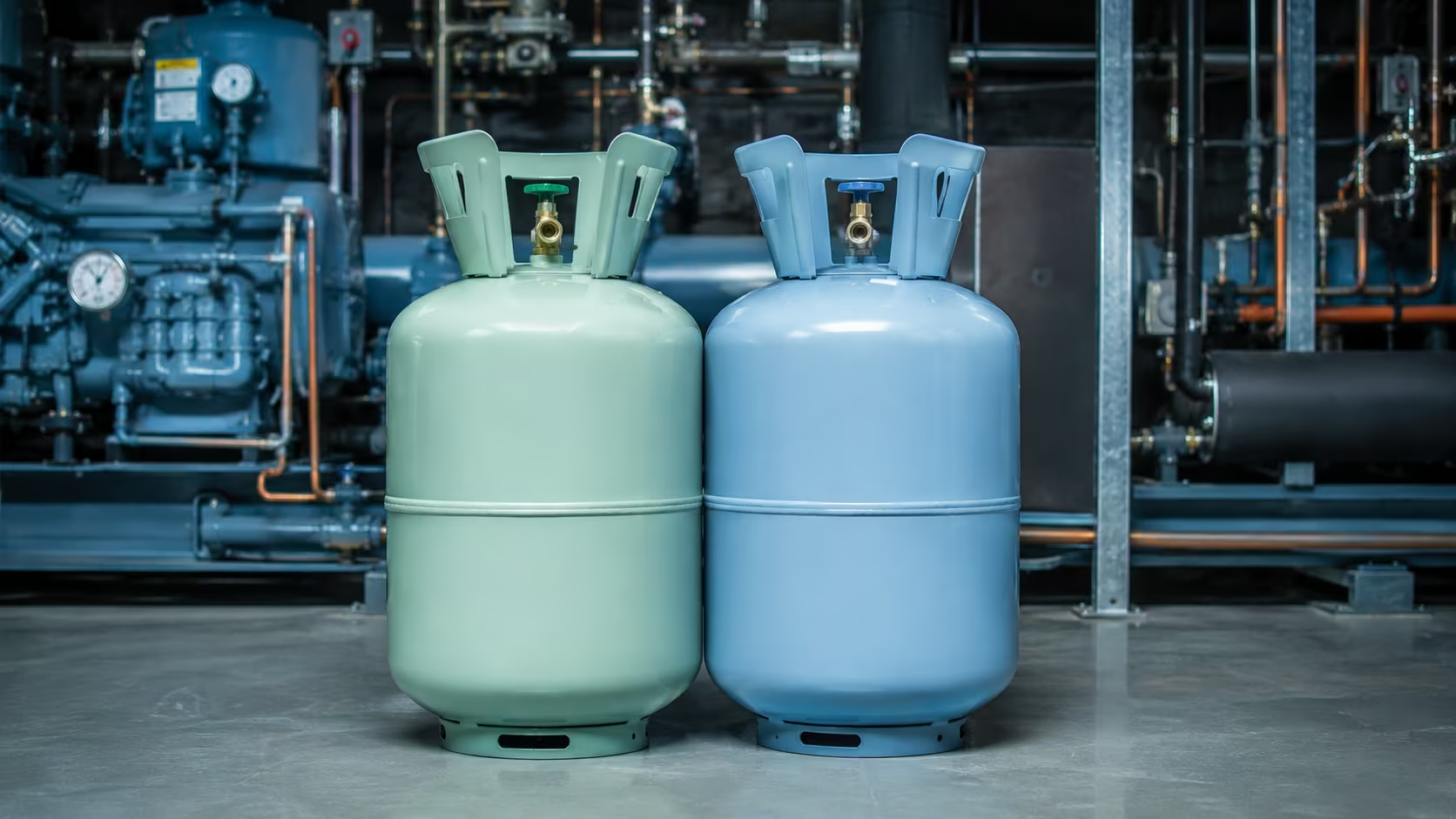
Mixing A1 and A2L hoses in the same bin invites accidental cross-connection during a busy service day. Clearly labeled storage compartments for each refrigerant category reduce that risk without slowing a tech down.
Color-coded or tagged hose sets make the distinction obvious at a glance, even for newer techs still learning the difference.
Training Requirements Tied to New Tools
Buying A2L-rated gauges does not automatically prepare a technician to use them safely. Most manufacturer and supply house A2L classes cover proper connection sequence, purge procedures, and what the flammability classification actually means in practice.
Pairing new equipment purchases with a short training session gets far more value out of the investment than handing a tech a new gauge set with no context.
Updating Firmware and Certifications Over Time
Digital manifolds depend on firmware to stay current with new refrigerant profiles as more A2L blends reach the market. Checking for updates every few months keeps a gauge set accurate instead of quietly falling behind on newer refrigerant data.
Analog sets do not face this issue but do need periodic inspection to confirm the printed scale still matches whatever refrigerants a crew services most often.
Frequently Asked Questions
Do I need a completely separate manifold gauge set for A2L refrigerants?
Not always. A properly rated R-410A set often reads R-454B accurately since pressures are close, but many contractors still keep a labeled, dedicated A2L set to avoid cross-contamination concerns.
Is a digital manifold gauge worth the extra cost for A2L work?
For diagnostics, callbacks, and inverter-driven systems with tight superheat and subcooling targets, yes. Analog remains useful for fast checks and rough-in pressure testing where battery-free durability matters more.
Can I use my old R-410A hoses on an A2L system?
Sometimes, but some A2L service ports use reverse-threaded fittings. Confirm the thread pattern before connecting, and use a dedicated A2L hose set if your ports require it.
What certification should I look for on A2L recovery equipment?
Look for AHRI or UL certification confirming the equipment is rated for A2L refrigerant use, not just a general high-pressure rating.
Does A2L refrigerant use different oil than R-410A?
Most A2L equipment uses the same POE oil as R-410A systems, which is why many technicians report no issues sharing gauges between the two refrigerant types.
How often should I update my digital manifold’s firmware?
Checking every few months is a reasonable habit, since manufacturers regularly add new refrigerant profiles as additional A2L blends enter the market.
What is the biggest mistake techs make when switching to A2L work?
Assuming existing tools are automatically compatible without checking the specific A2L certification label on gauges, hoses, recovery machines, and leak detectors.
Are A2L leak detectors different from standard HFC detectors?
Yes. A2L-rated detectors are calibrated for the different chemical signature and lower ignition threshold these mildly flammable refrigerants carry.
Conclusion
Choosing the best manifold gauge set for A2L refrigerants comes down to matching the tool to how a crew actually works, not chasing the newest model on the shelf. Digital sets earn their keep on diagnostics and inverter-driven systems, while a properly rated analog set still belongs in the truck for fast checks and rough-in work.
The gauge set is only one piece of a fully A2L-ready service kit. Round out the rest of your truck’s A2L-rated tools before the next R-32 or R-454B call comes in.