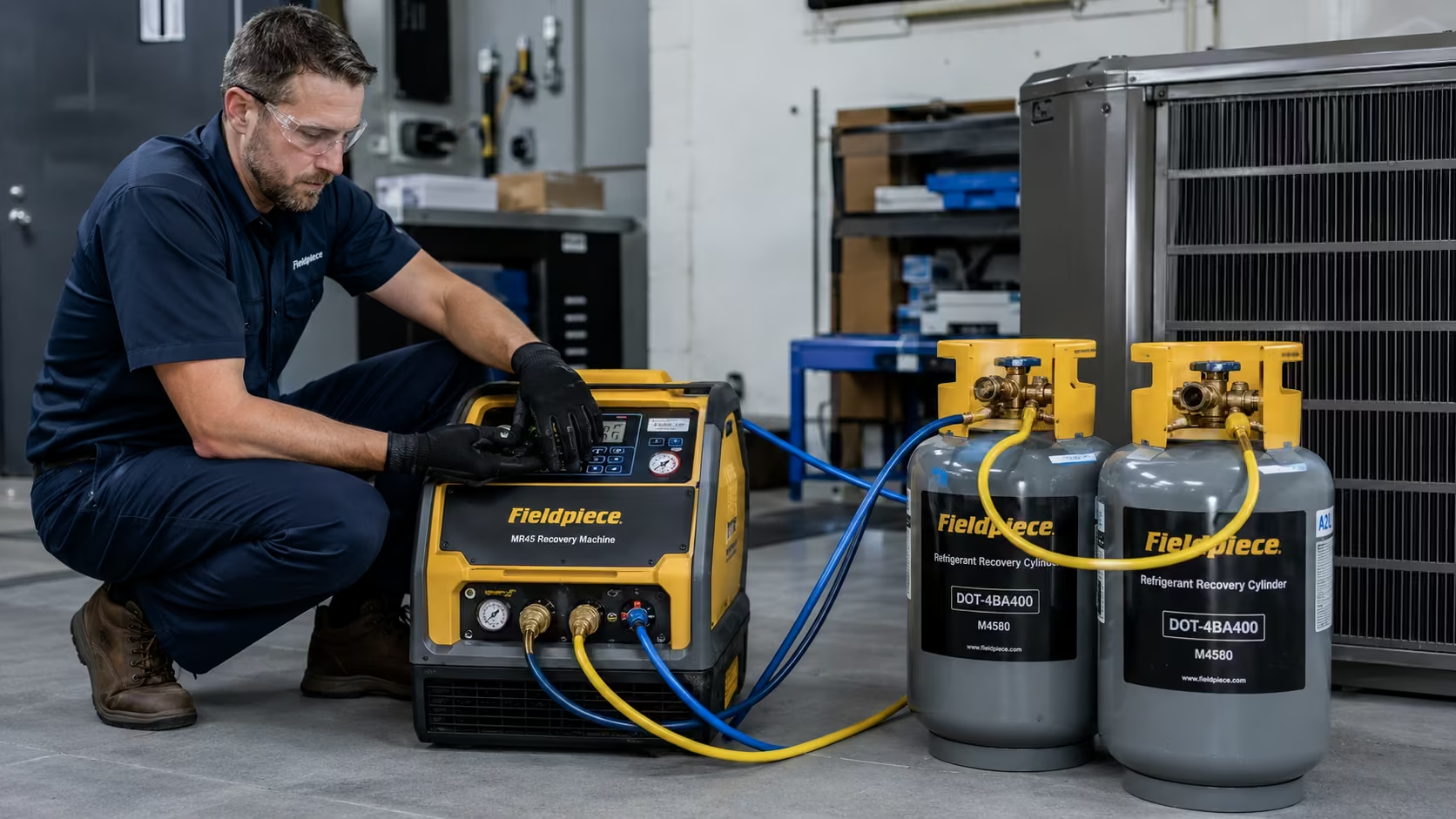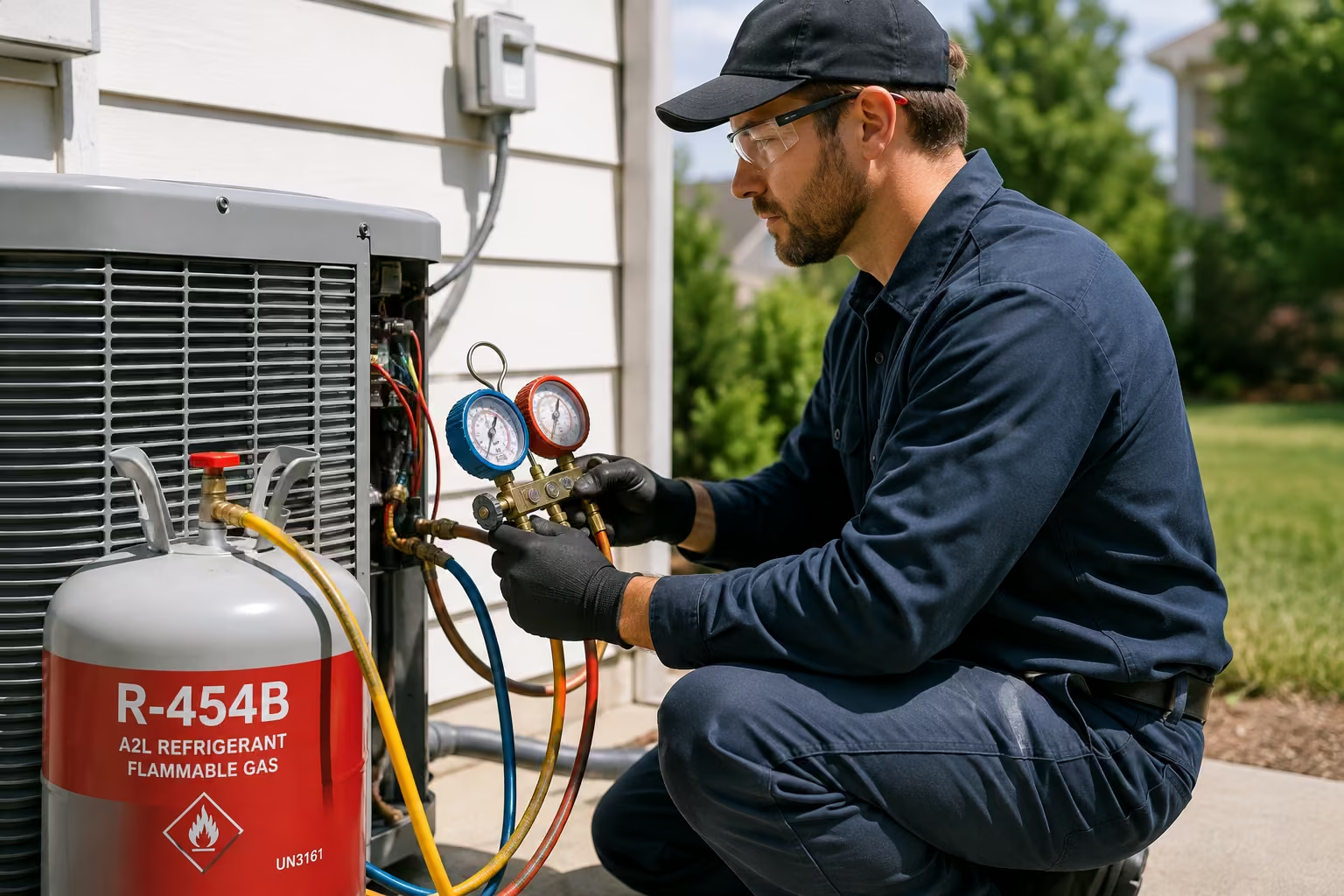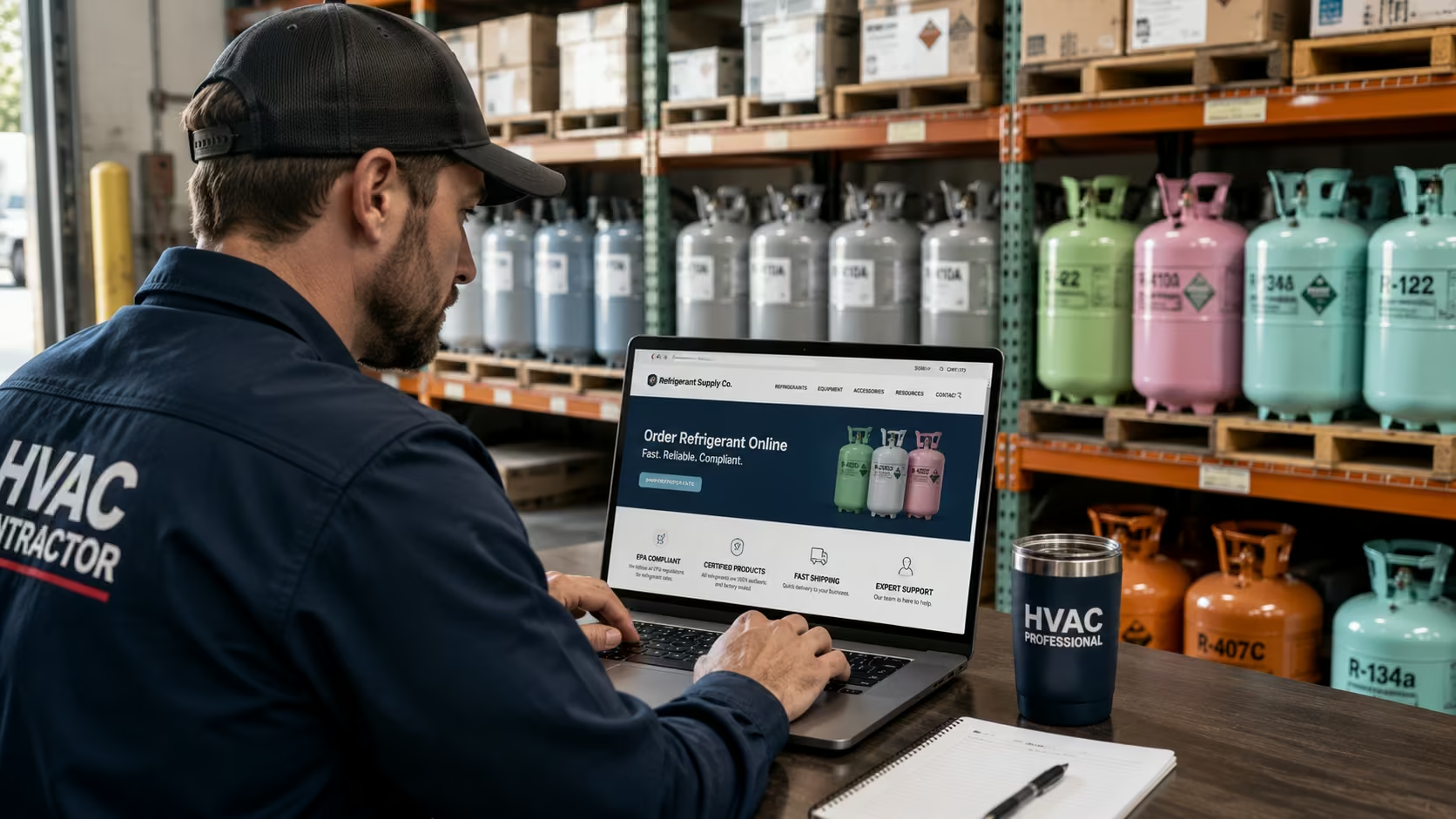

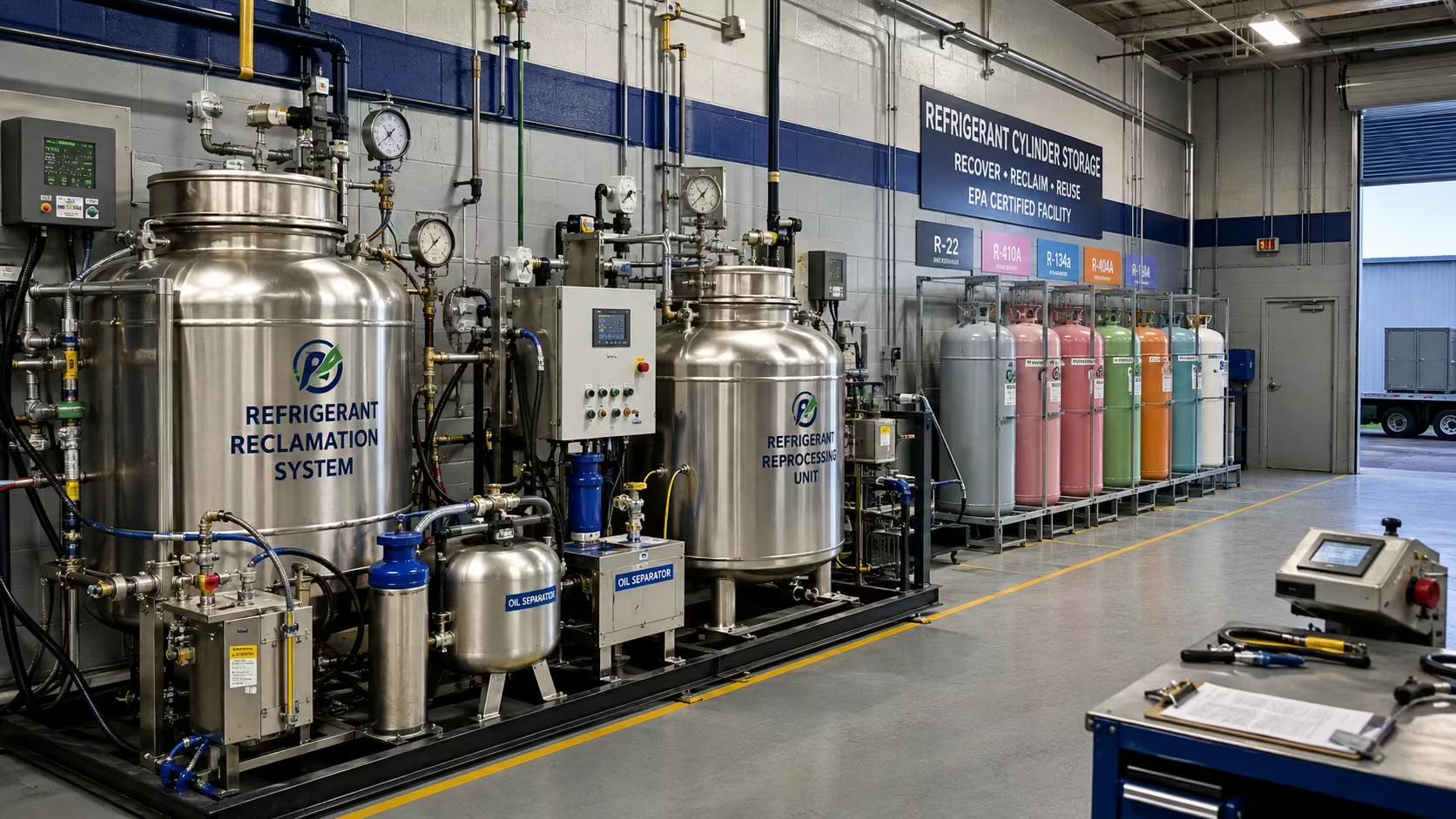
Recovered refrigerant sits in cylinders all over the country, and most of it cannot legally be resold. Only a certified refrigerant reclaimer can turn that recovered material back into a sellable product. Many HVAC contractors and scrap operations hold onto pounds of R-22 and other used refrigerants without realizing they are missing out on real revenue simply because they never completed EPA certification.
The process feels intimidating at first glance. There is no single EPA form, the requirements are spread across several documents, and the paperwork must be exact. This guide breaks the entire path into clear steps, from equipment standards to the actual mailing address, so a business owner can move from recovery operation to certified refrigerant reclaimer without guessing.
What Does It Mean to Be a Certified Refrigerant Reclaimer?
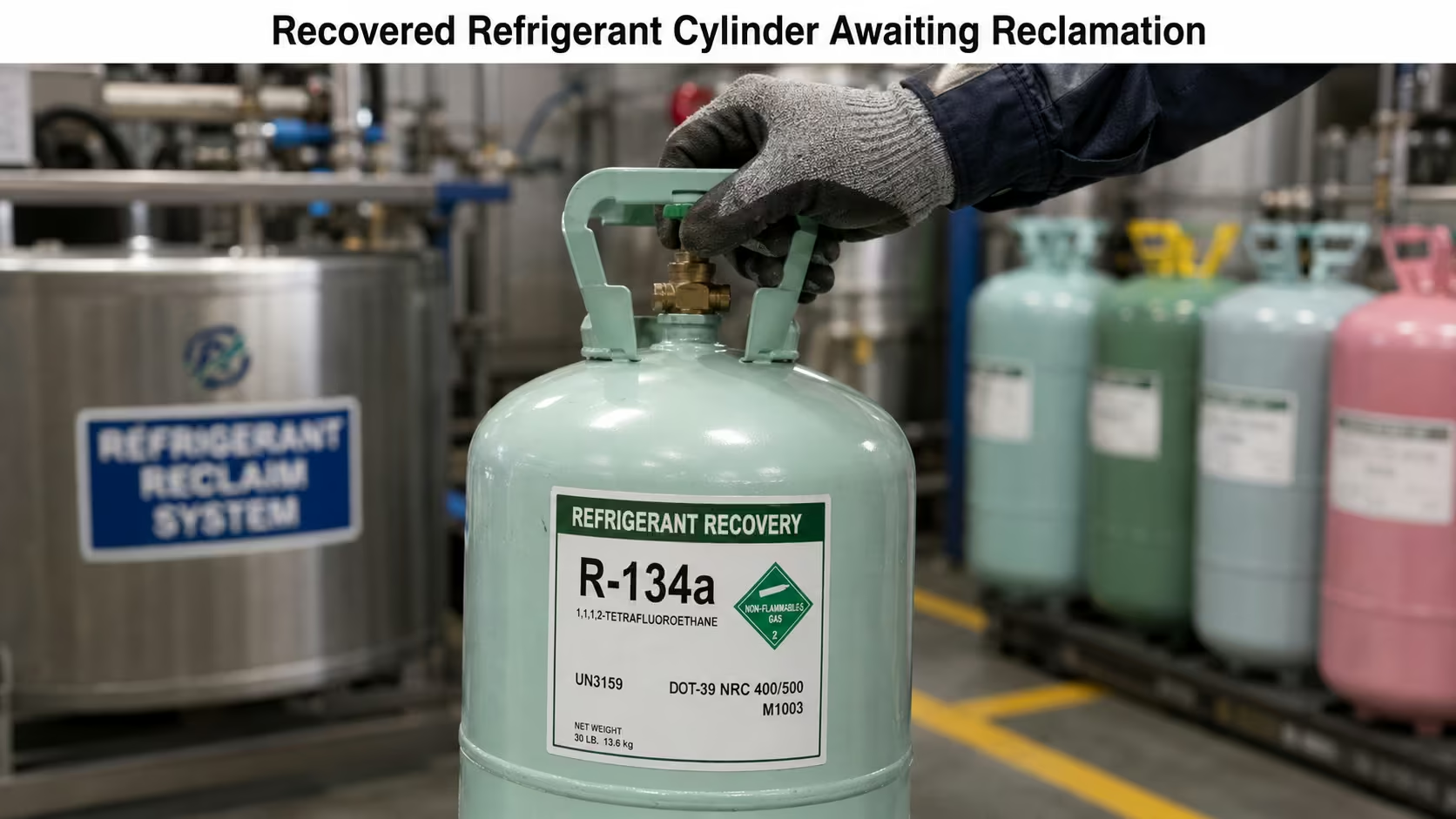
A certified refrigerant reclaimer is a company that EPA has approved to reprocess used refrigerant back to near-virgin purity. Once refrigerant carries that certification, it can legally change hands again. Without it, used refrigerant is stuck with whoever recovered it or must be sent along the supply chain to someone who already holds the credential.
This role sits at the center of the entire refrigerant recycling economy. Contractors, scrap yards, and demolition crews all recover material, but none of them can resell it directly. A certified refrigerant reclaimer is the bridge between recovered material and the open market.
Reclaimer vs Section 608 Technician
These two credentials get confused constantly, and the confusion causes real compliance mistakes. A Section 608 technician certification, covered in our technician certification guide, authorizes a person to service equipment and recover refrigerant. Reclaimer certification is a separate, company-level credential tied to a facility and its equipment.
A business can hold both. In fact, most reclamation companies employ Section 608 certified technicians who handle the recovery side while the company itself carries the reclaimer certification for the purification side.
Why Reclamation Matters for the Refrigerant Supply Chain
Refrigerants like R-22 no longer have virgin production available in the United States. That means every pound serviced into an older system now comes from either stockpiles or reclamation. Reclaimed refrigerant has become a genuine supply source, not just an environmental nicety.
Contractors depend on this supply to keep aging equipment running. Without a functioning network of certified reclaimers, technicians would have far fewer legal options for recharging systems that use phased-out refrigerants.
Legal Basis Under the Clean Air Act
Section 608 of the Clean Air Act, implemented through 40 CFR Part 82 Subpart F, restricts resale of used refrigerant unless an EPA-certified reclaimer processed it first. This rule applies to both ozone-depleting substances and their HFC substitutes.
The regulation does not offer shortcuts. Every company that wants to sell used refrigerant back into the market has to go through the same certification path, regardless of size or how long they have been in the recovery business.
EPA Requirements to Become a Certified Reclaimer
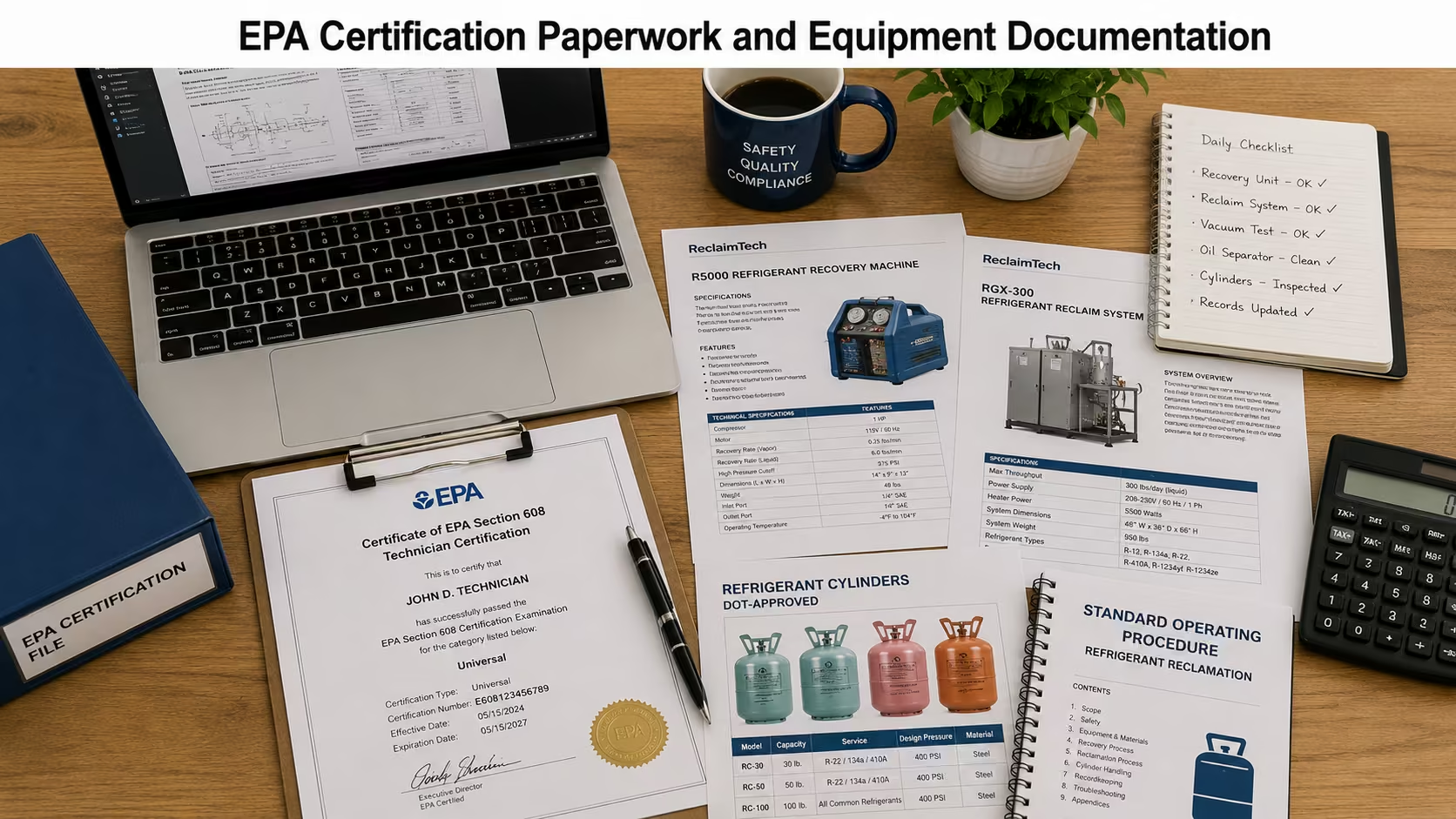
There is no dedicated EPA form for this process, which surprises a lot of applicants. Instead, a company must compile a written submission covering several specific categories of information, all sent directly to EPA’s Section 608 program.
Getting each piece right the first time avoids delays. EPA reviews these submissions manually, so incomplete packages tend to bounce back with requests for missing details before a company gets listed.
Business and Contact Information
The submission needs the reclaimer’s complete legal name and address, plus the specific address where reclamation actually happens if that differs from the main office. EPA also wants named contacts: the business owner and a responsible officer who will serve as the point of contact for the program.
This section seems simple, but accuracy matters because EPA publishes this contact information publicly. Technicians and businesses searching for a certified refrigerant reclaimer will use these exact details to reach out.
Reprocessing and Analysis Equipment Standards
Every applicant must describe the equipment used to reprocess refrigerant. Off-the-shelf machines need make, model, and serial number listed. Custom or generic equipment requires a written description along with photographs showing the setup.
Refrigerant analysis is just as important as the reprocessing hardware. Companies using an in-house lab list their testing equipment directly. Companies using an outside lab must submit that lab’s contact information along with a signed letter confirming the working agreement between the two organizations.
Certifications and Guarantees You Must Provide
Beyond equipment details, EPA requires a series of written certifications. The applicant must certify that every batch will be reprocessed to AHRI Standard 700-2016 specifications and verified using the testing methods that standard defines.
Additional certifications cover release limits, waste disposal, and recordkeeping commitments. The applicant confirms that no more than 1.5 percent of processed refrigerant will be released during reclamation and that all waste follows applicable environmental law.
Step-by-Step Application Process
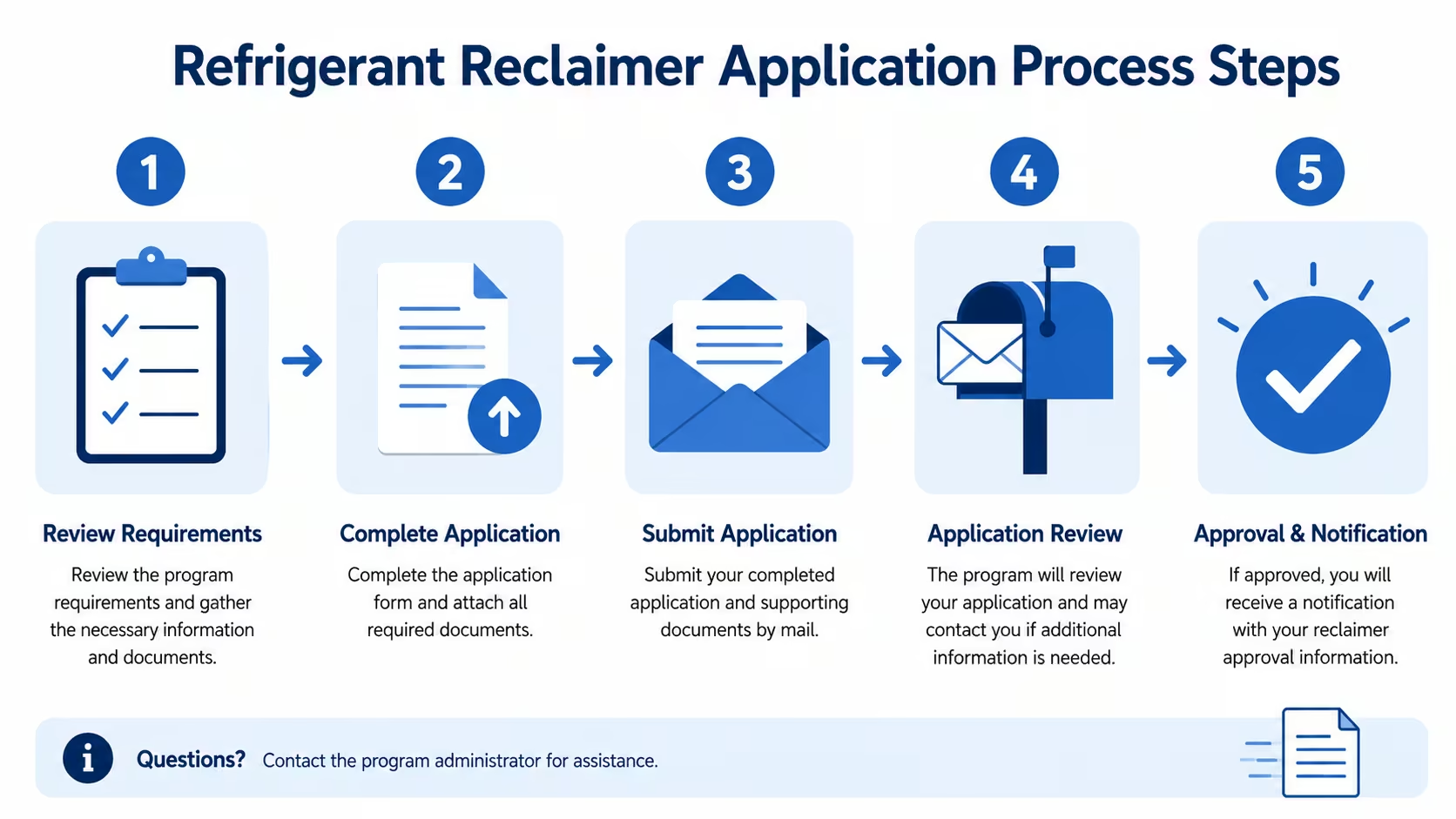
Once the equipment and certification language is ready, the actual submission process moves fairly quickly. EPA prefers electronic applications, which shortens the back-and-forth compared to paper mail.
Following the steps in order prevents the common mistake of sending an incomplete package and having to resubmit weeks later.
Preparing Your Submission Package
Gather every required item before sending anything. That means business details, equipment descriptions and photographs, laboratory agreements if applicable, and all the written certifications EPA requires under 40 CFR Part 82.
It also helps to decide in advance whether the business will accept refrigerant from outside technicians or only reclaim material recovered by its own employees. EPA asks for this distinction directly, and it affects how the company gets listed publicly.
Where and How to Submit to EPA
EPA prefers electronic submissions sent to 608reports@epa.gov. Paper submissions still work and should go to the Section 608 Recycling Program Manager at Mail Code 6205T, U.S. Environmental Protection Agency, 1200 Pennsylvania Avenue NW, Washington, D.C. 20460.
Businesses planning to send documents by courier should contact EPA in advance to arrange receipt, since courier delivery to a federal mail code does not always follow standard mail routing.
What Happens After You Apply
EPA reviews the submission against the regulatory checklist and follows up if anything is missing or unclear. Once approved, the reclaimer gets added to EPA’s public list of certified reclaimers, which is the resource technicians and other businesses use to verify a company’s status.
There is no fixed published turnaround time, so applicants should expect the review to take several weeks depending on how complete the initial package was.
Recordkeeping and Ongoing Compliance
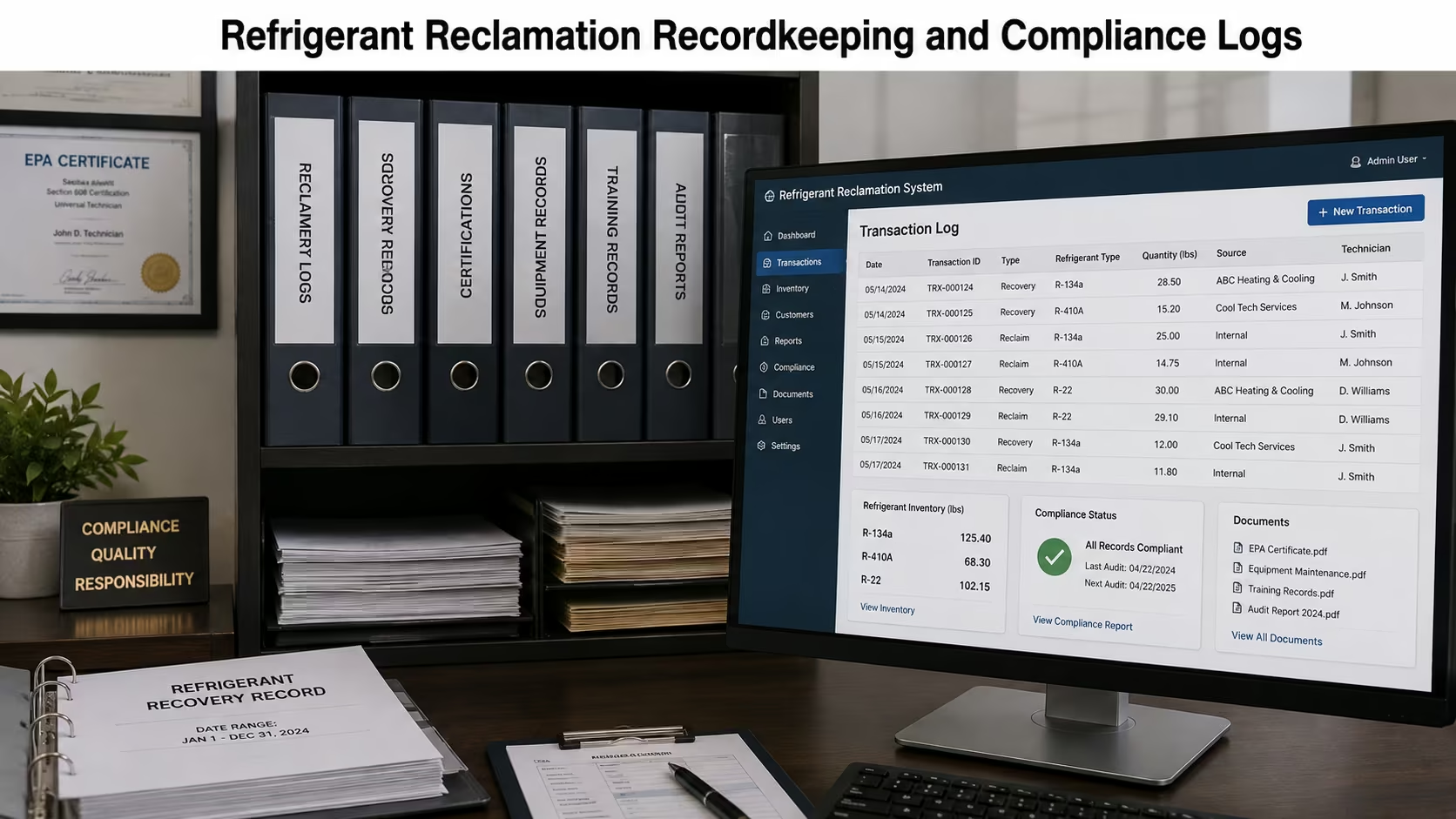
Certification is not a one-time event. A certified refrigerant reclaimer takes on continuing obligations tied directly to how it operates, and EPA’s recovery and disposal rules explain how these obligations connect to the broader venting and recovery framework.
Falling behind on these duties puts the certification itself at risk, along with the business relationships built around it.
Transaction Records You Must Keep
Reclaimers must track the name and address of every person or business sending material for reclamation, along with the combined mass of refrigerant and contaminants received. These records need to be kept on a transactional basis, meaning each shipment gets its own entry rather than a lump total.
Good recordkeeping also protects the business during an EPA audit. Clean, transaction-level documentation demonstrates the company is operating exactly as its certification describes.
Annual Reporting Requirements
Beyond transaction logs, reclaimers must report annually to EPA by February 1 covering the prior year. This report breaks down material received by refrigerant type, the mass actually reclaimed, and the mass of waste generated during processing.
Missing this deadline or submitting incomplete data creates unnecessary friction with the program and can trigger closer scrutiny on future submissions.
Consequences of Non-Compliance
Certificates are non-transferable, and failing to follow any provision of 40 CFR Part 82 Subpart F can lead to suspension or revocation. If ownership of the business changes, the new owner has just 30 days to seek their own certification.
EPA has revoked certifications in the past for recordkeeping failures alone, not just for major violations. That history shows the agency treats documentation as seriously as the technical side of reclamation.
Costs, Timeline, and Business Value of Becoming a Reclaimer
Businesses considering this path usually want to know whether the investment pays off. The honest answer depends heavily on refrigerant volume and which refrigerant types the company plans to handle most.
R-22 remains the strongest financial case since production ended years ago and reclaimed supply is one of the only remaining legal sources.
Startup Costs to Expect
Reprocessing and analysis equipment represents the largest upfront cost. Pricing varies widely depending on whether a company buys commercial-grade machines or builds a smaller in-house setup. Businesses that already handle reclaimed refrigerant as buyers often find the transition to reclaiming it directly is a natural next step once volume justifies the equipment.
Outside lab agreements add ongoing cost too, since most smaller operations don’t build a full in-house testing lab right away.
Revenue Potential from Reclaimed Refrigerant
Reclaimed R-22 that meets AHRI 700 purity standards commands a meaningfully higher price than raw recovered material sitting in a cylinder. For a company already recovering large volumes from service calls or scrap operations, reclamation converts a compliance cost into an actual profit center.
Other refrigerants offer smaller margins since virgin supply still exists for many of them. Still, the reclamation credential opens doors with contractors who prefer working with a certified supplier.
How Long Certification Takes
Most of the timeline depends on how prepared the initial application is. Companies that gather every document, photograph, and certification statement before submitting tend to move through review faster than those who send a partial package and wait for EPA follow-up questions.
Planning several months from initial preparation to final listing is a reasonable expectation for most first-time applicants.
Frequently Asked Questions
Is there an official EPA form to apply as a refrigerant reclaimer?
No single form exists. Applicants compile a written submission covering business details, equipment, and required certifications, then send it to EPA’s Section 608 program by email or mail.
Can one company hold both technician and reclaimer certification?
Yes. Section 608 technician certification applies to individuals performing service and recovery work, while reclaimer certification applies to the business and its reprocessing equipment. Many companies hold both.
How much does it cost to become a certified refrigerant reclaimer?
Costs vary based on equipment scale and whether the company uses an in-house lab or an outside testing partner. Reprocessing equipment is typically the largest single expense.
Do reclaimer certifications expire?
The certification itself doesn’t have a fixed expiration, but it can be suspended or revoked for non-compliance. It’s also not transferable if business ownership changes.
What refrigerant purity standard must reclaimed material meet?
Reclaimed refrigerant must meet AHRI Standard 700-2016 specifications, verified using the testing methods that standard defines, before it can be resold.
Can a reclaimer accept refrigerant from outside technicians?
Yes, but the company must indicate this choice during certification. EPA distinguishes between reclaimers who only process their own recovered material and those who accept outside material.
What happens if a certified reclaimer misses the annual report deadline?
Missing the February 1 annual reporting deadline creates compliance issues and can draw additional EPA scrutiny, even without an outright violation of the reclamation standards.
Is R-22 still worth reclaiming in 2026?
Yes. Since virgin R-22 production ended years ago, reclaimed R-22 remains one of the few legal supply sources, and it typically commands stronger pricing than many other refrigerant types.
Conclusion
Becoming a certified refrigerant reclaimer takes real preparation, but the path itself is well documented once the requirements are laid out clearly. Business information, equipment standards, written certifications, and ongoing recordkeeping form the full picture EPA expects from every applicant, regardless of company size.
For contractors and recovery operations already handling meaningful refrigerant volume, this credential turns a compliance obligation into a genuine revenue stream. Reclamation fits into a broader refrigerant management strategy that pays off the more volume a business handles.