
Best A2L Manifold Gauge Sets 2026 Proven Buyer’s Guide
A technician shows up on a service call and reaches for last year's gauge set, only to realize it was never ra...
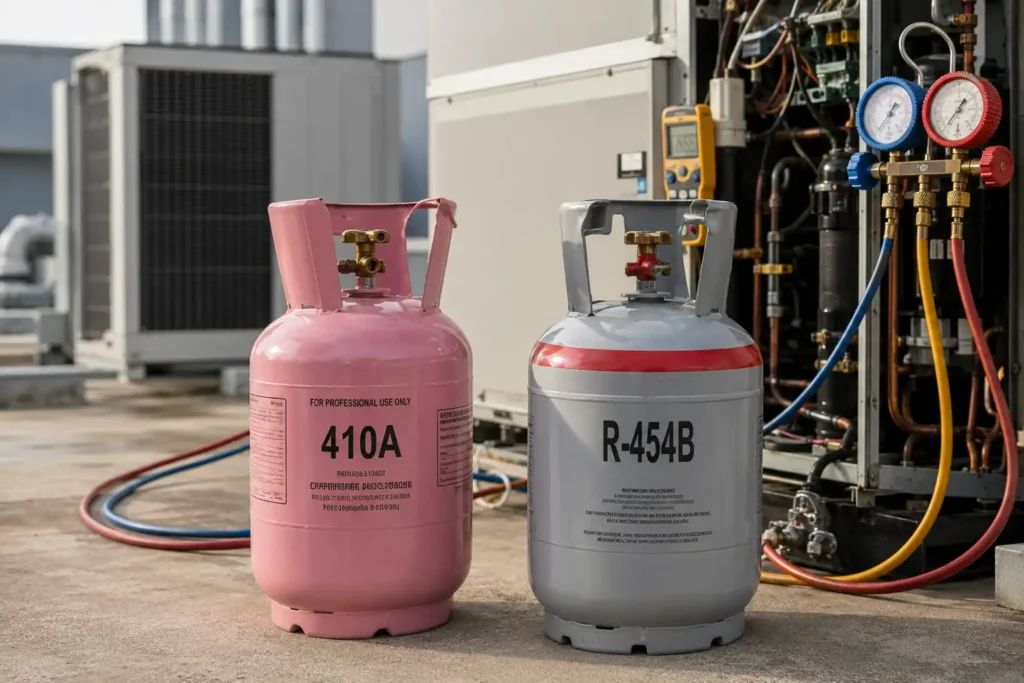
Can you retrofit an R-410A system to R-454B? No — and here’s why the A1-to-A2L flammability difference makes it unsafe and non-compliant. Learn your real options: service with R-410A, or replace with new R-454B/R-32 equipment.
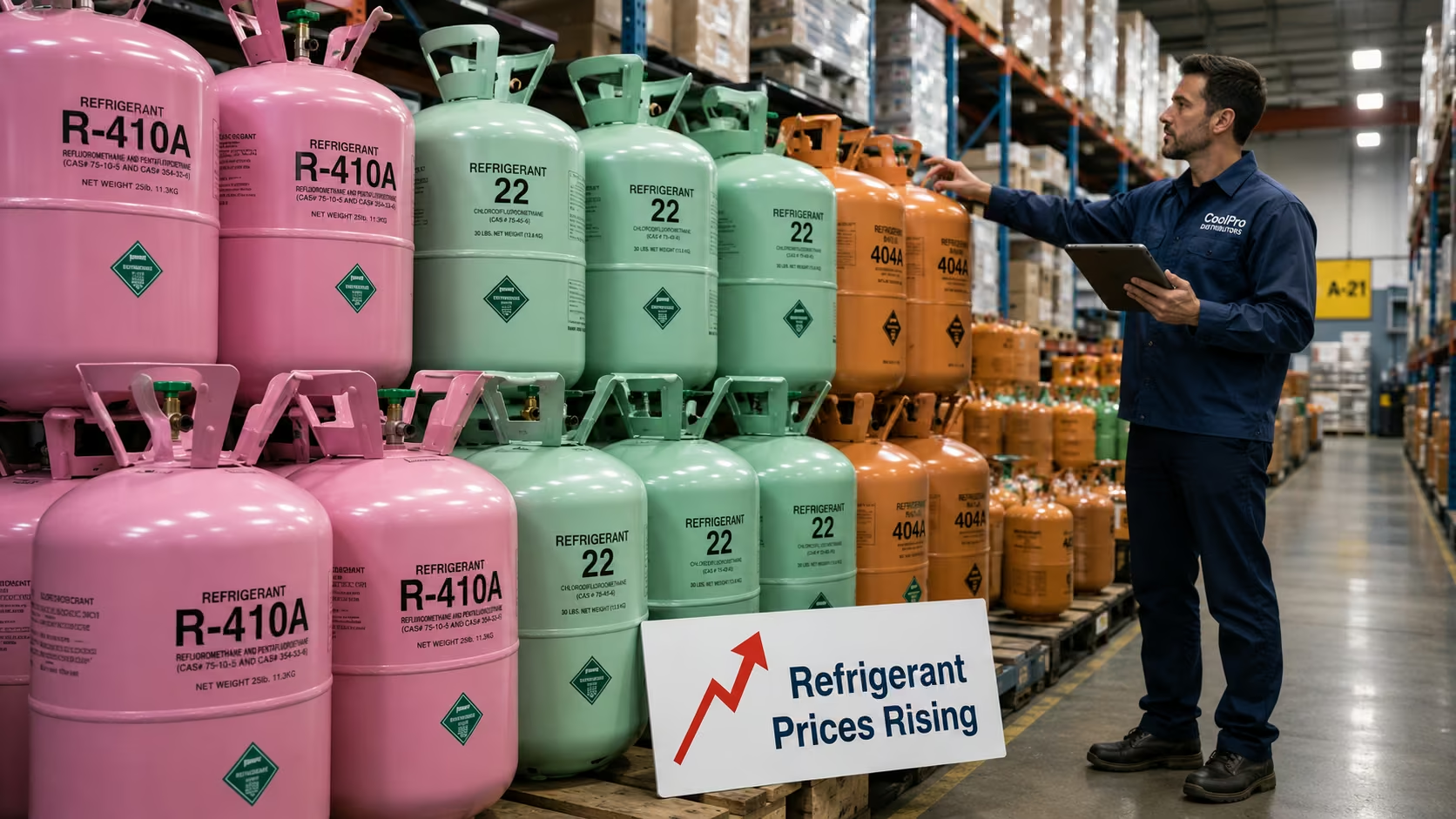
Refrigerant prices are climbing due to the AIM Act HFC phase-down. Learn which refrigerants are most affected (R-410A, R-404A, R-22), how seasonality hits pricing, and a smart purchasing strategy for contractors and distributors.
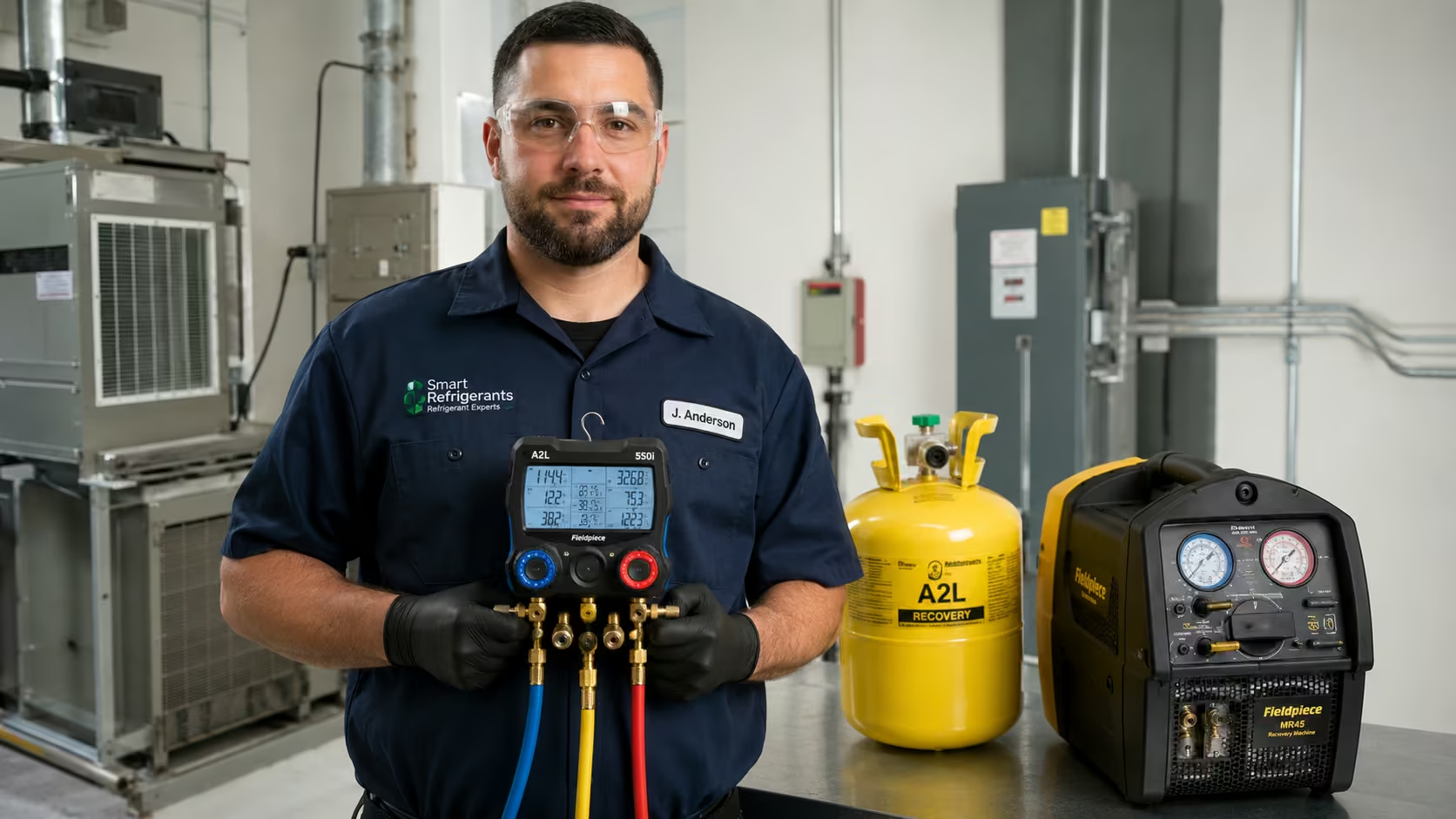
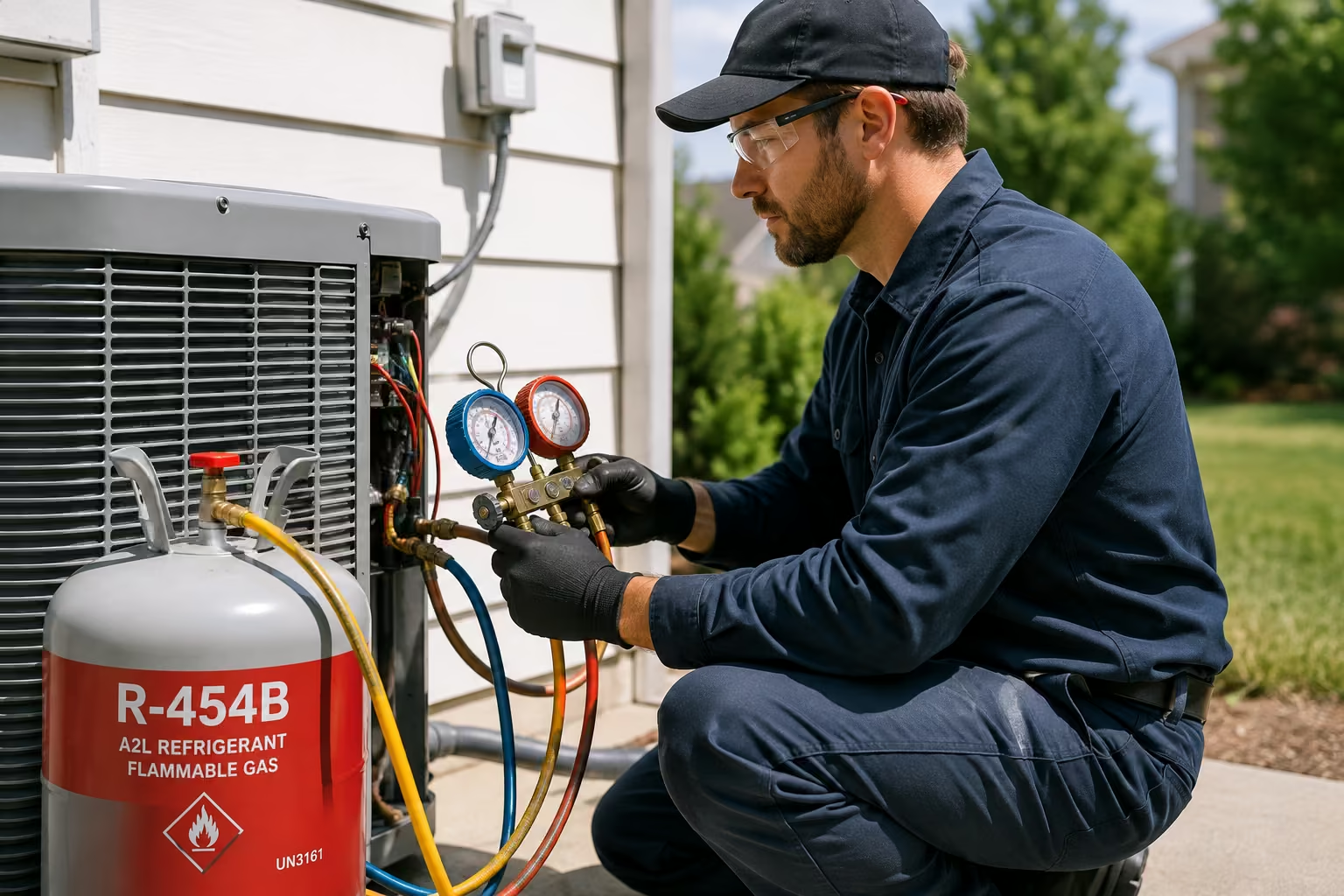
Servicing A2L refrigerants like R-454B and R-32 requires ignition-safe tools. Here’s the complete A2L tool checklist — recovery machine, leak detector, manifold, vacuum pump, cylinders — and what you can keep using.
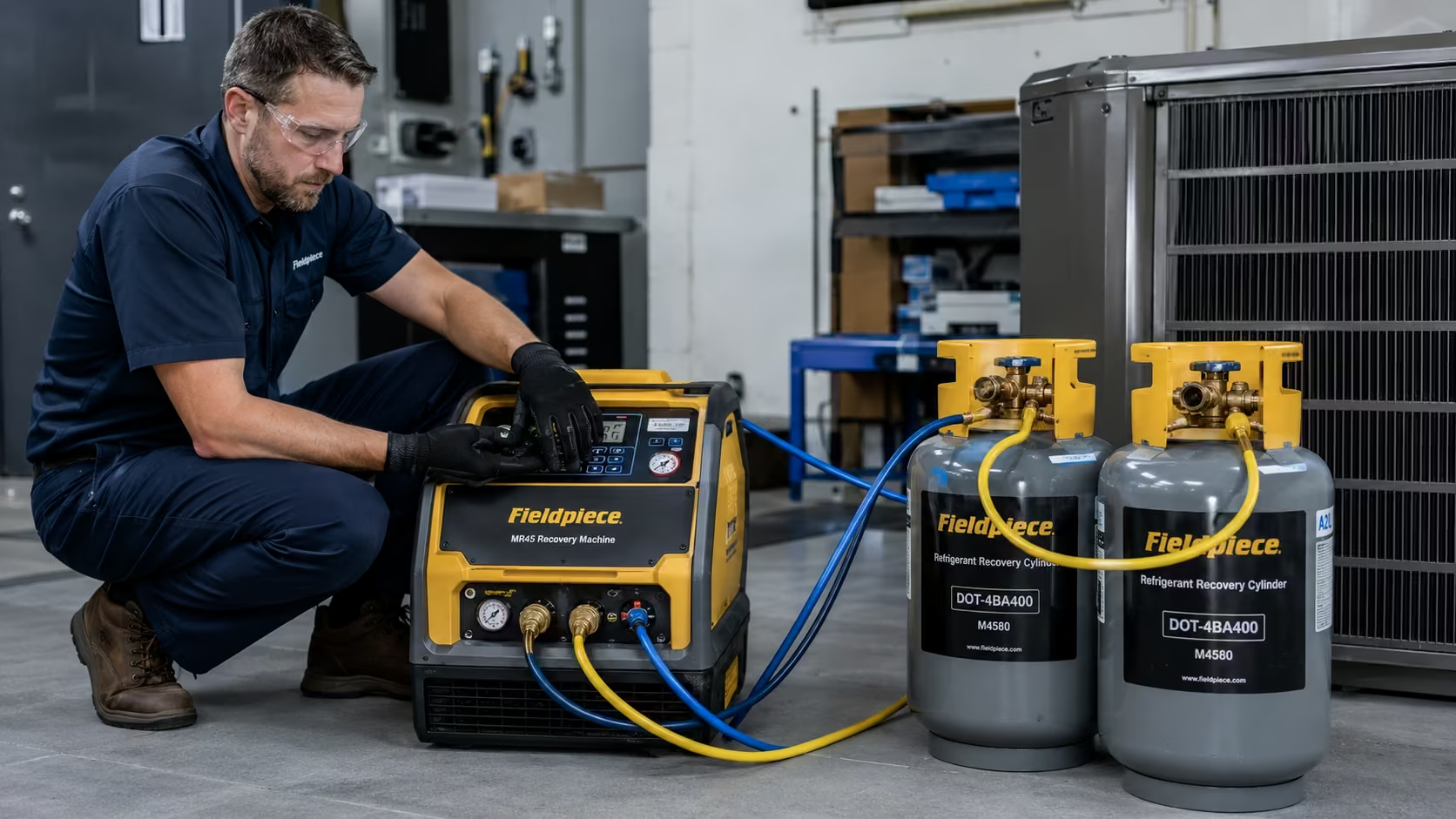
Venting refrigerant is illegal under Clean Air Act Section 608. Learn the recovery process, recovery cylinder rules, reclaim vs recycle vs destruction, distributor recordkeeping, and the penalties for non-compliance.
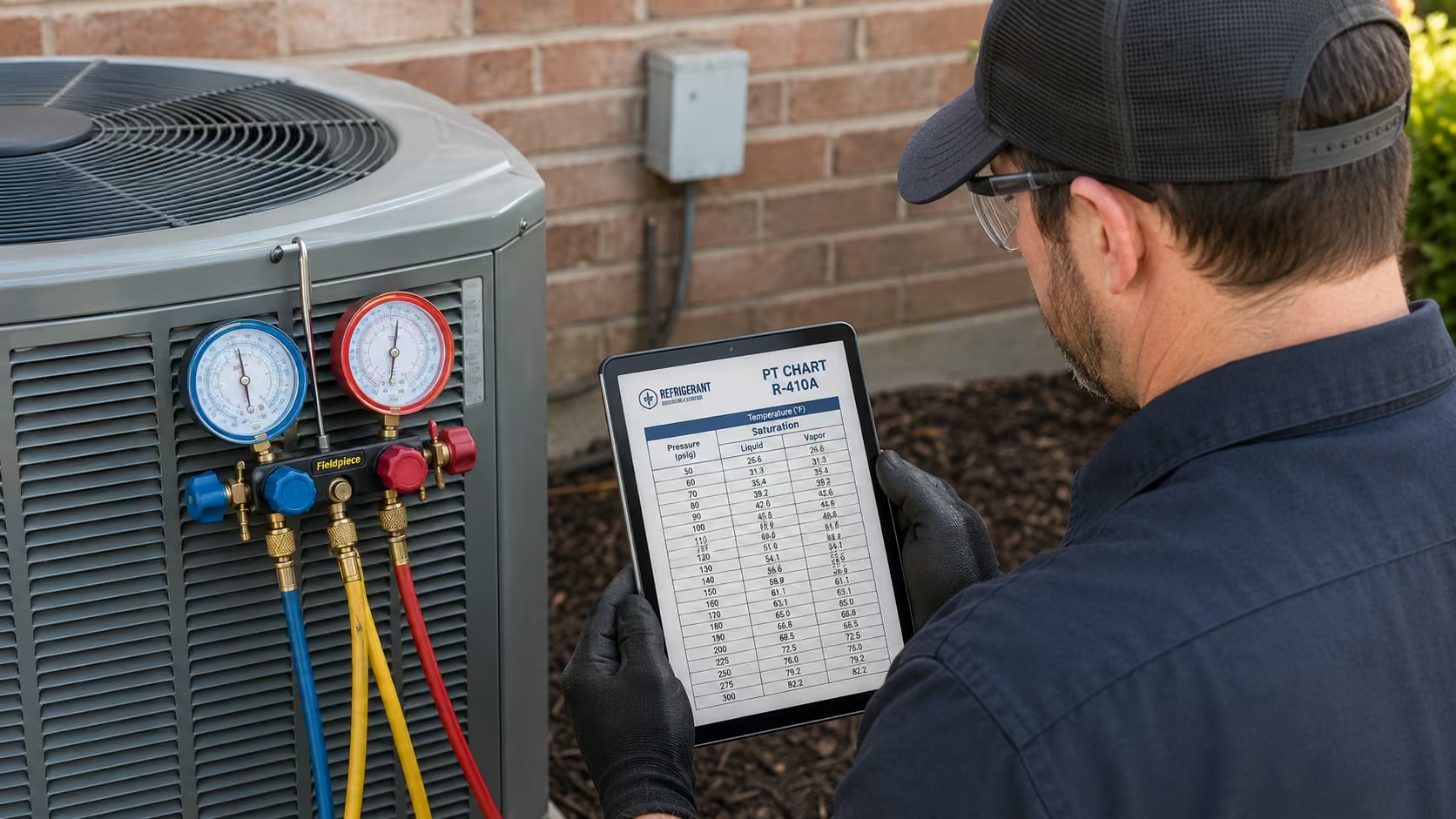
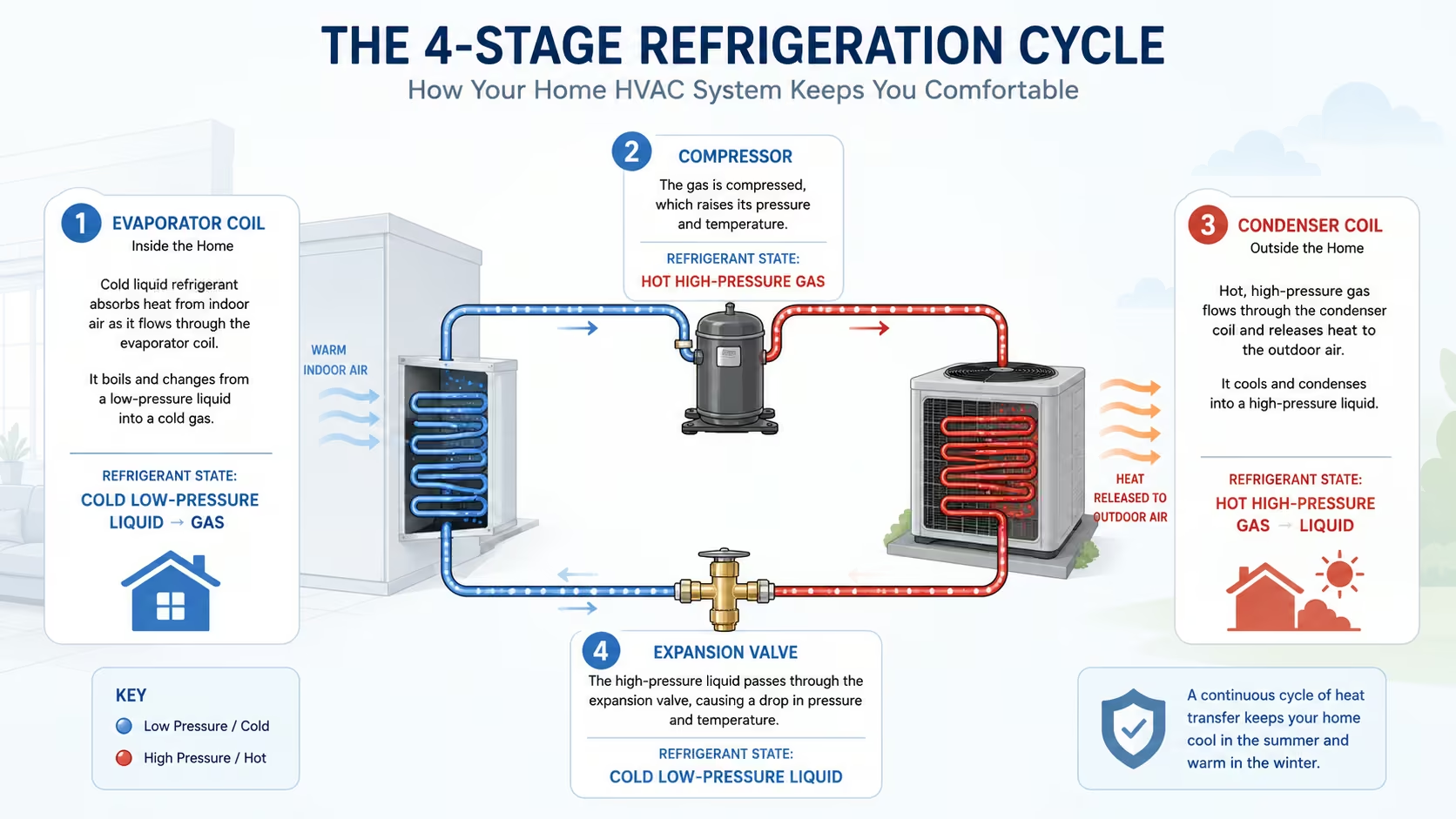
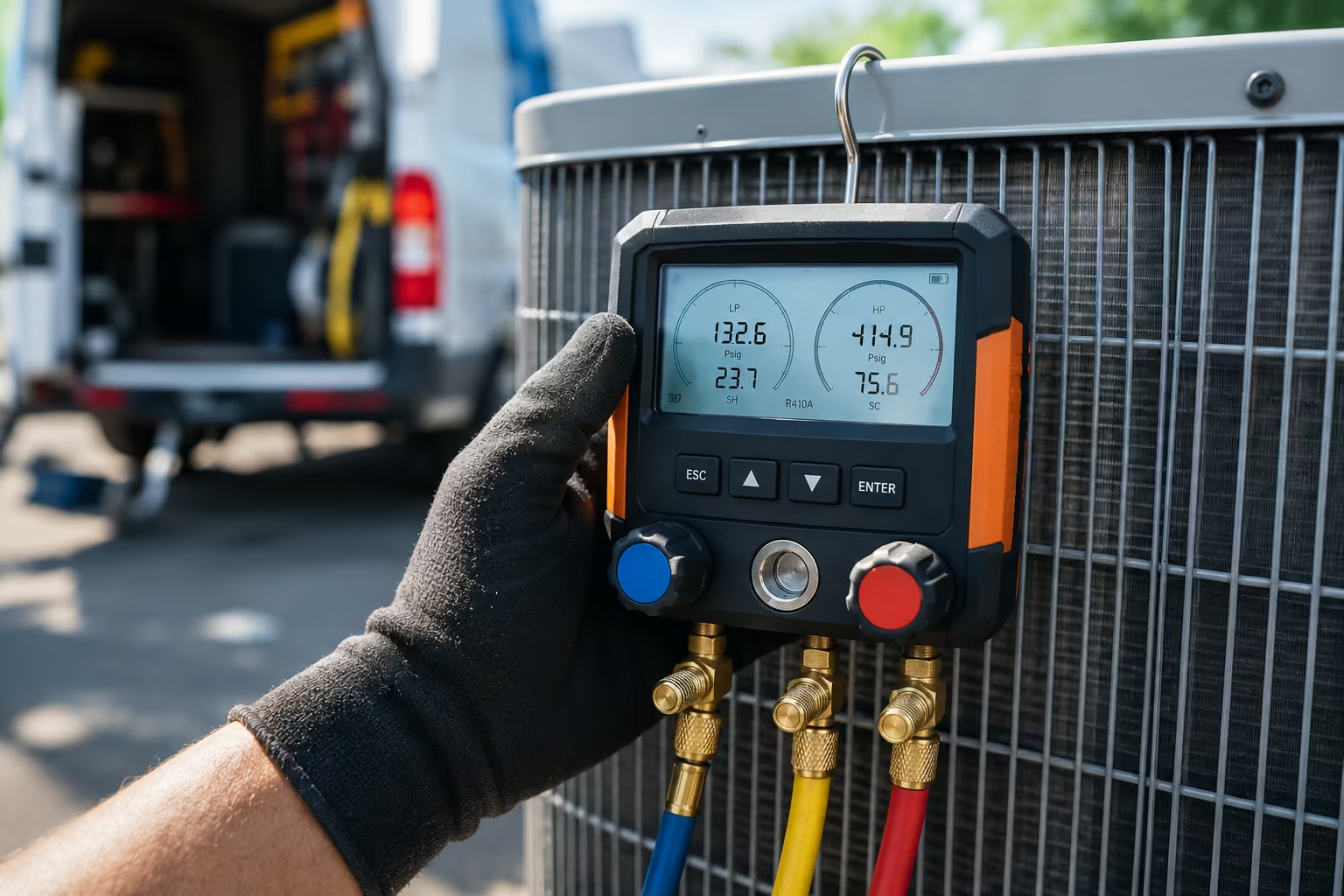
A pressure-temperature (PT) chart turns two measurements into a full system diagnosis. Learn saturation, how to read a PT chart step by step, superheat vs subcooling, and how temperature glide changes the rules for blends.
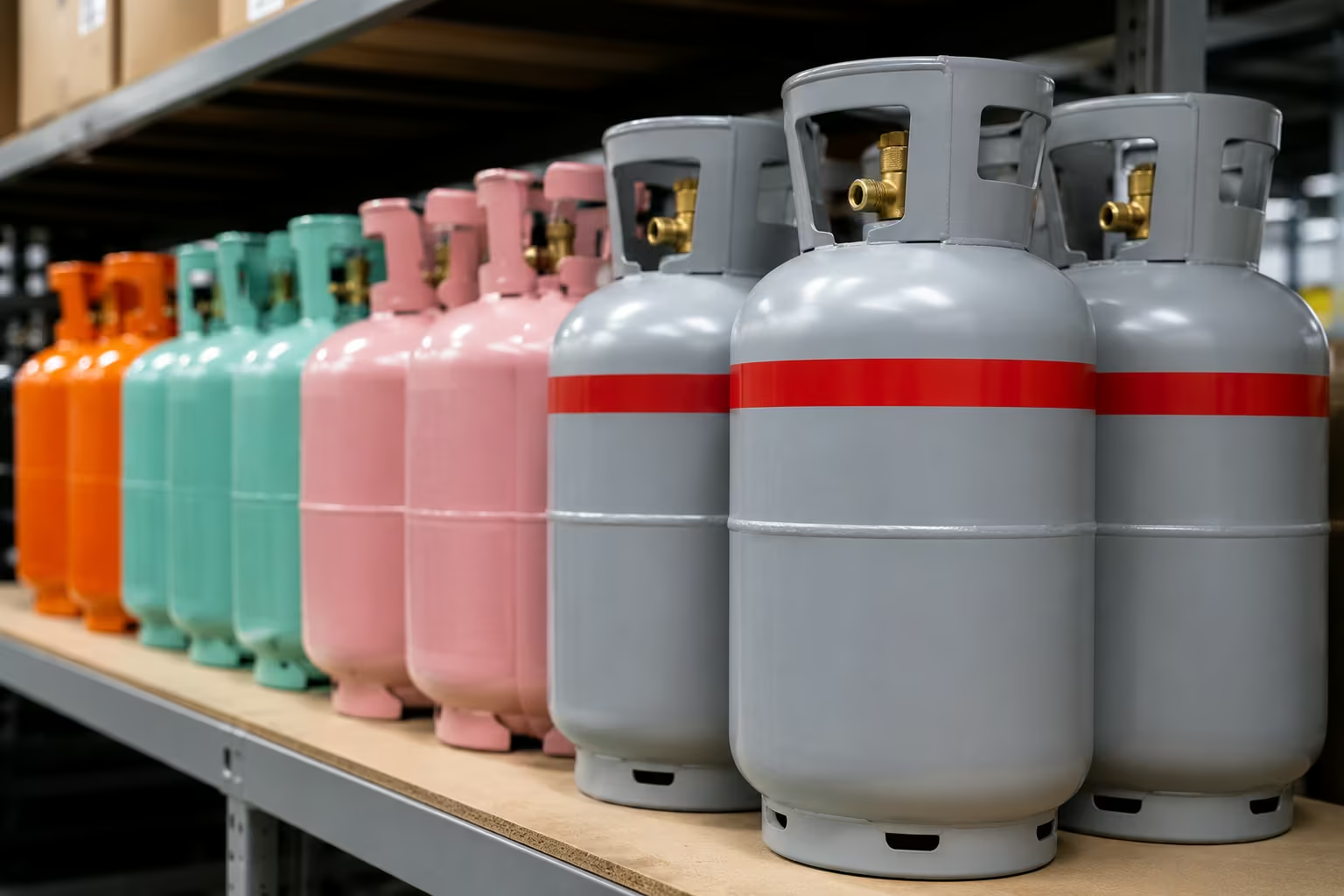
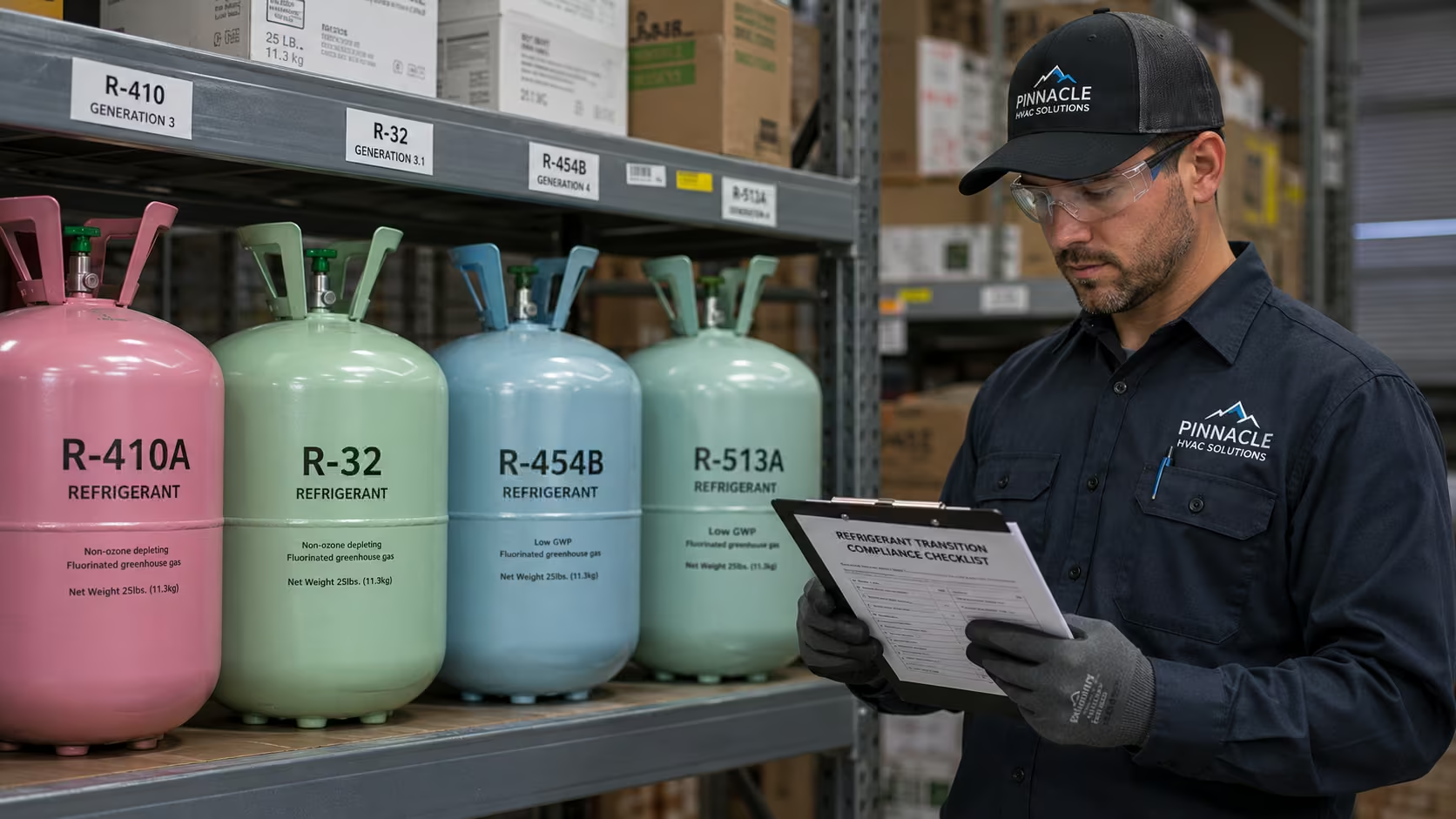
Refrigerant cylinder colors once identified what was inside — but the industry is standardizing to gray. Learn the classic color codes, the A2L red band, recovery cylinder rules, and why you must read the label.
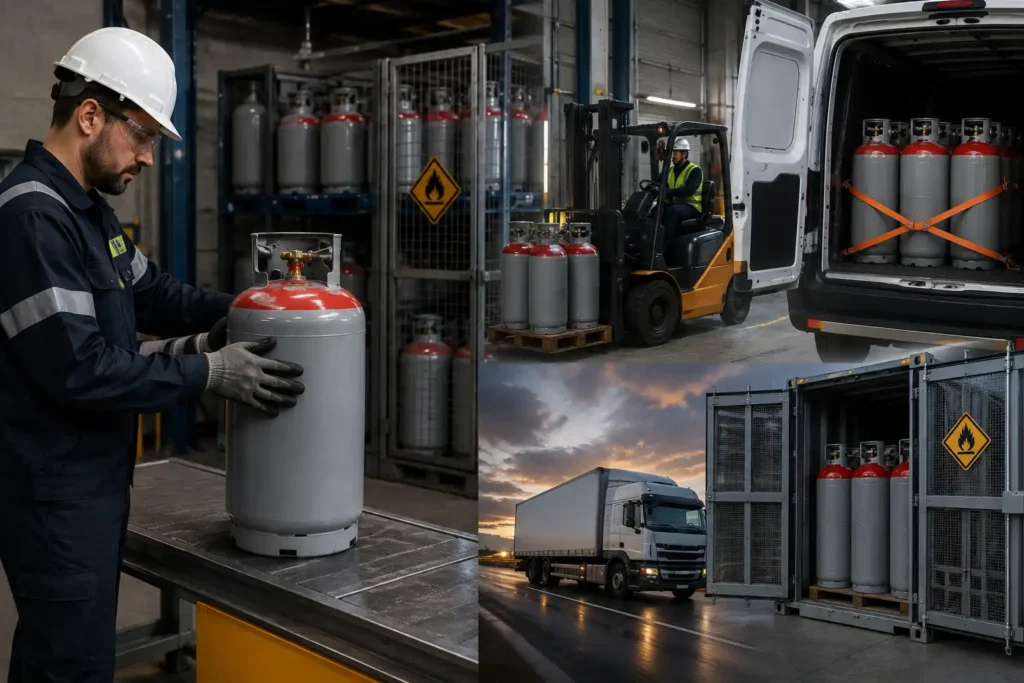
A2L refrigerants like R-454B and R-32 are now standard in new HVAC equipment. Learn what the ASHRAE A2L class means, the real flammability risk, and how technicians and distributors should handle them safely.