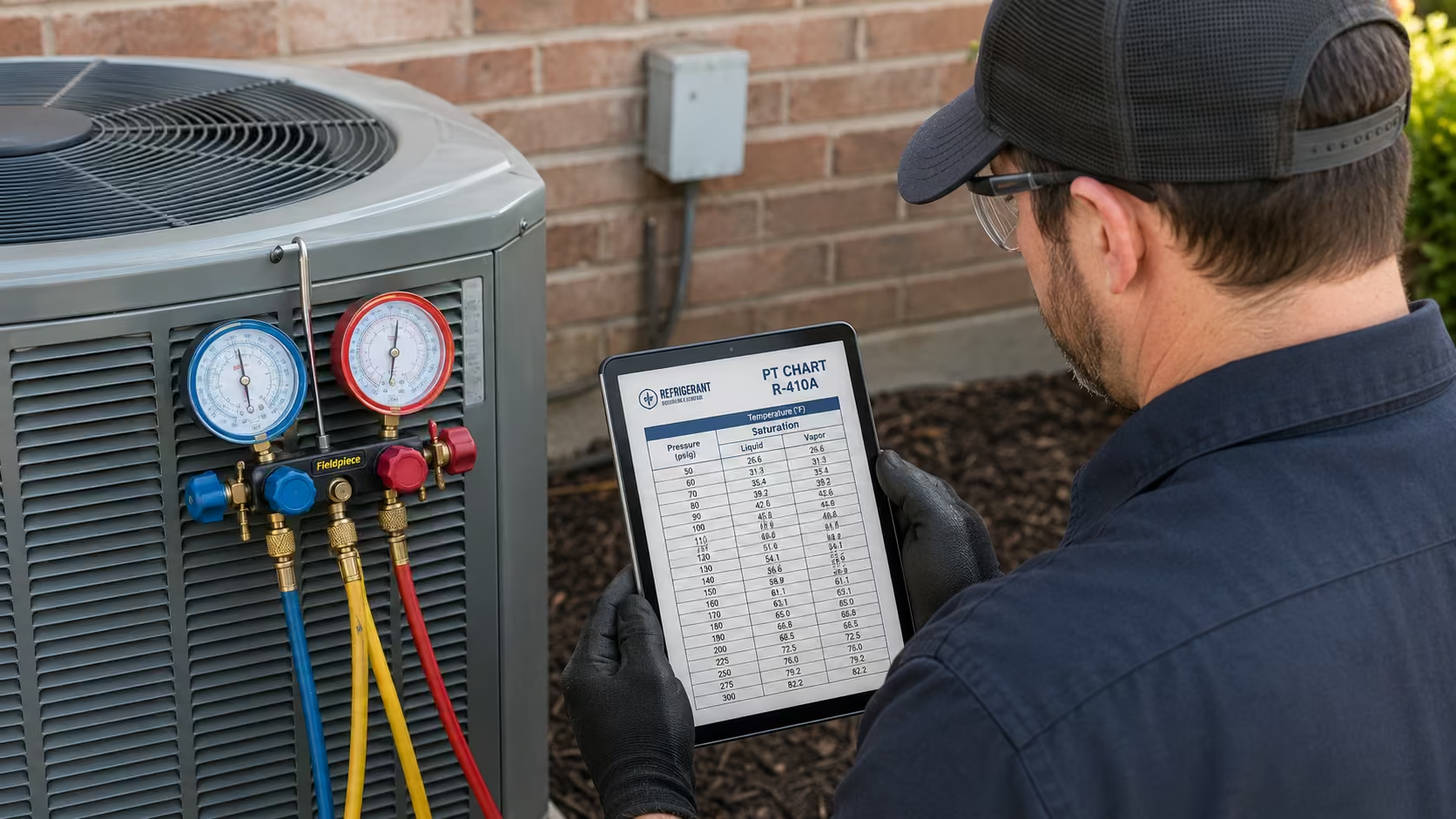

You just hooked up your gauges, and the numbers on the dial do not match what you expected. Is the system low on charge? Is it overcharged? Without a reliable R-410A pressure chart, that question is nearly impossible to answer with confidence. Guessing at pressures wastes time, risks a bad diagnosis, and can even damage a healthy compressor.
That is exactly why this guide exists. Below, you will find a full R-410A pressure chart broken down by outdoor temperature, plus the diagnostic steps that turn raw PSIG readings into a real answer. Whether you service HVAC systems for a living or just want to understand your own air conditioner, this reference will make your gauge readings make sense.
What Is R-410A and Why Pressure Readings Matter
R-410A is a hydrofluorocarbon refrigerant blend used in most residential air conditioners and heat pumps built over the last two decades. Understanding how it behaves under pressure is the foundation of every diagnosis a technician makes in the field.
The Refrigerant Blend Behind the Numbers
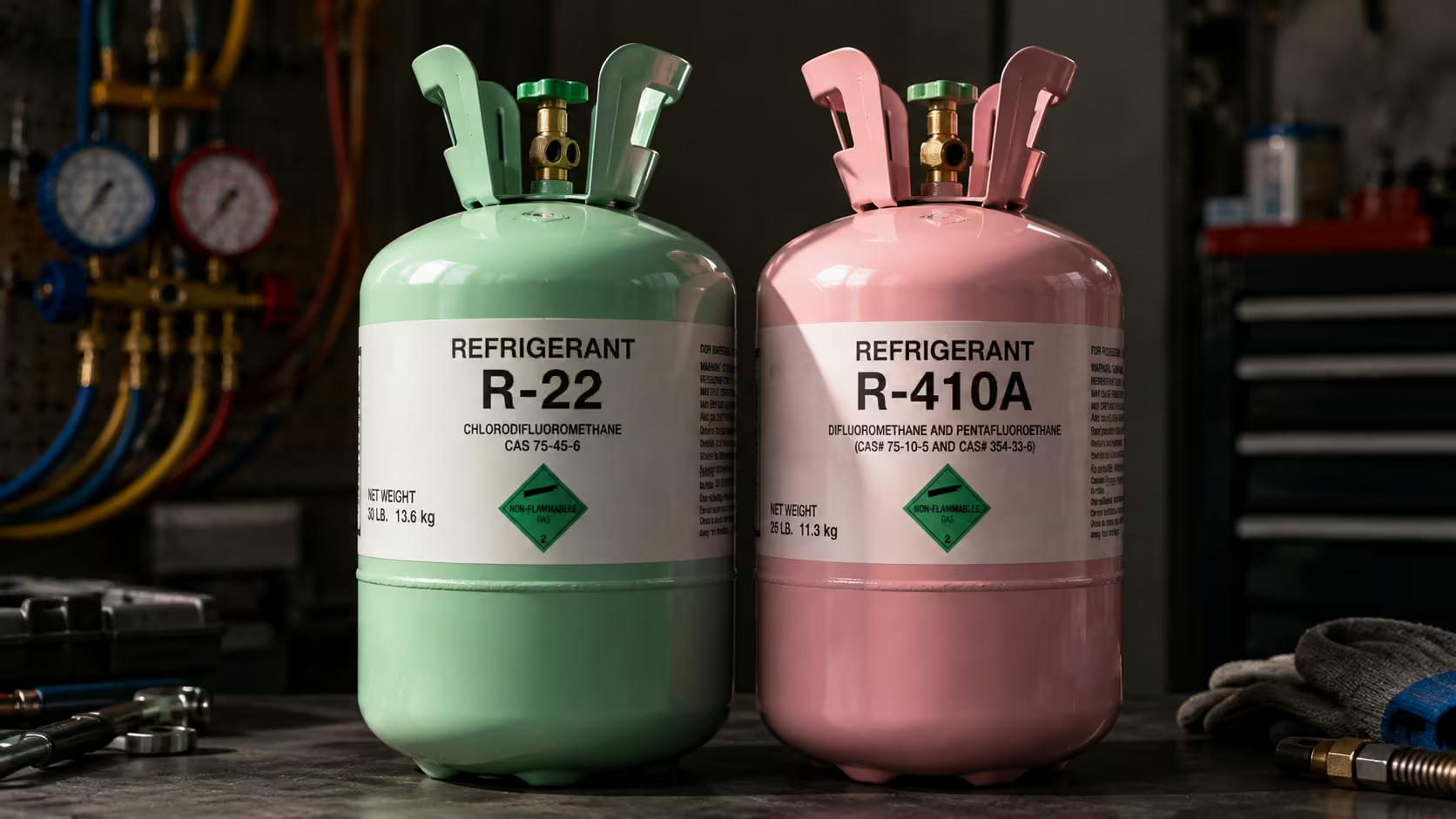
R-410A is made of two components mixed in equal parts. This blend was designed to move heat more efficiently than older refrigerants like R-22. Because of that efficiency, however, R-410A also runs at noticeably higher pressures. A gauge reading that looks alarming on an older R-22 system might be completely normal on an R-410A unit. That is why a dedicated R-410A pressure chart is not optional. It is the only accurate way to judge whether a reading is healthy for this specific refrigerant.
How High Side and Low Side Pressure Work Together
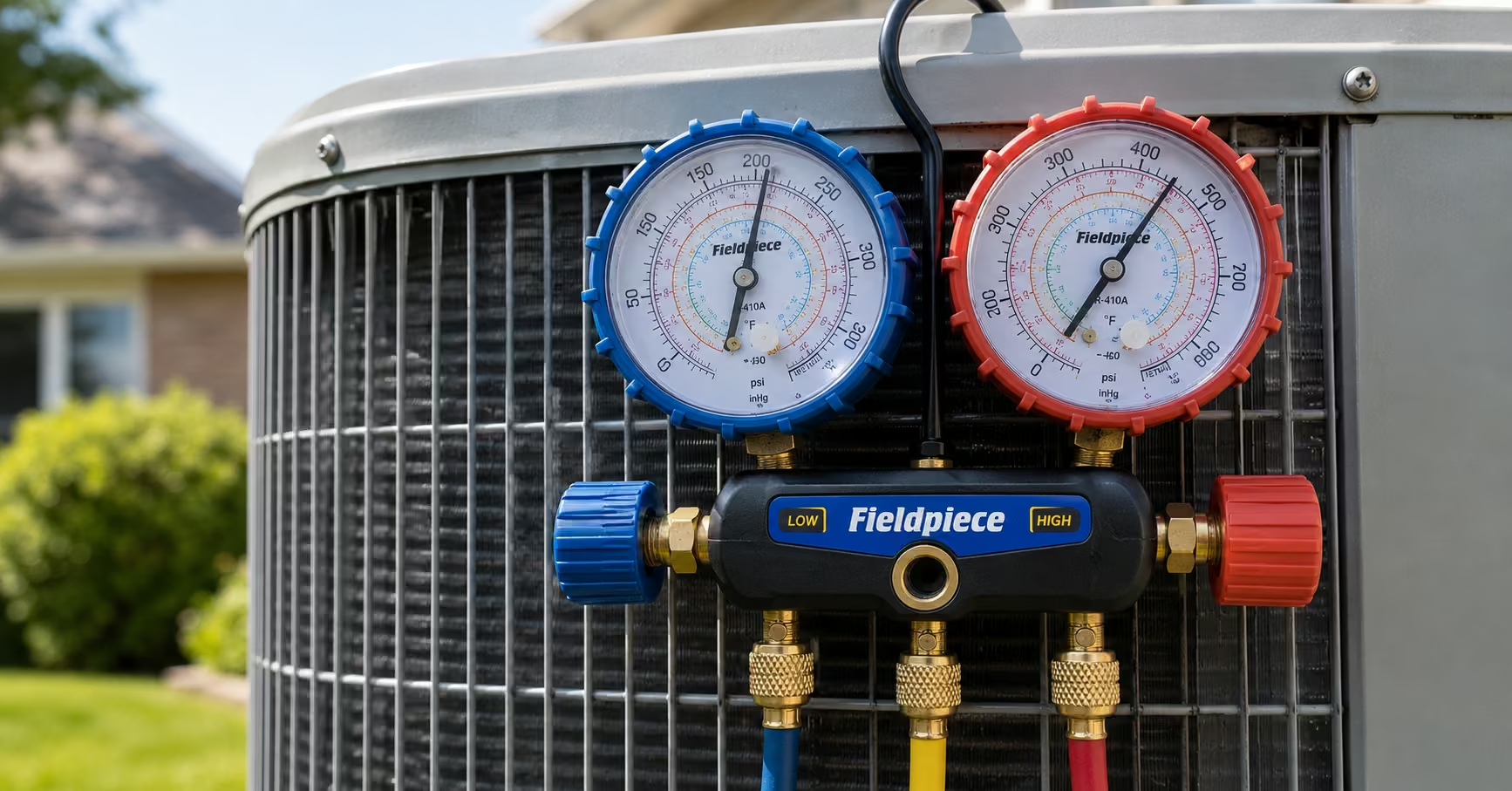
Every manifold gauge set shows two separate numbers at once. The high side reflects the pressure of hot vapor leaving the compressor and traveling through the condenser coil. The low side reflects suction pressure, or the vapor returning from the evaporator coil. Together, these two readings tell a story about the entire refrigeration cycle. High side pressure responds mostly to outdoor conditions and condenser performance. Low side pressure responds mostly to indoor airflow and refrigerant charge. Reading them as a pair, rather than in isolation, is the fastest path to an accurate diagnosis.
R-410A Pressure Chart by Outdoor Temperature
Outdoor temperature is the single biggest factor that shifts your gauge readings. A properly charged system will show very different numbers on a mild 70°F morning compared to a blazing 100°F afternoon. This is the heart of any useful R-410A pressure chart: matching your reading to the conditions outside.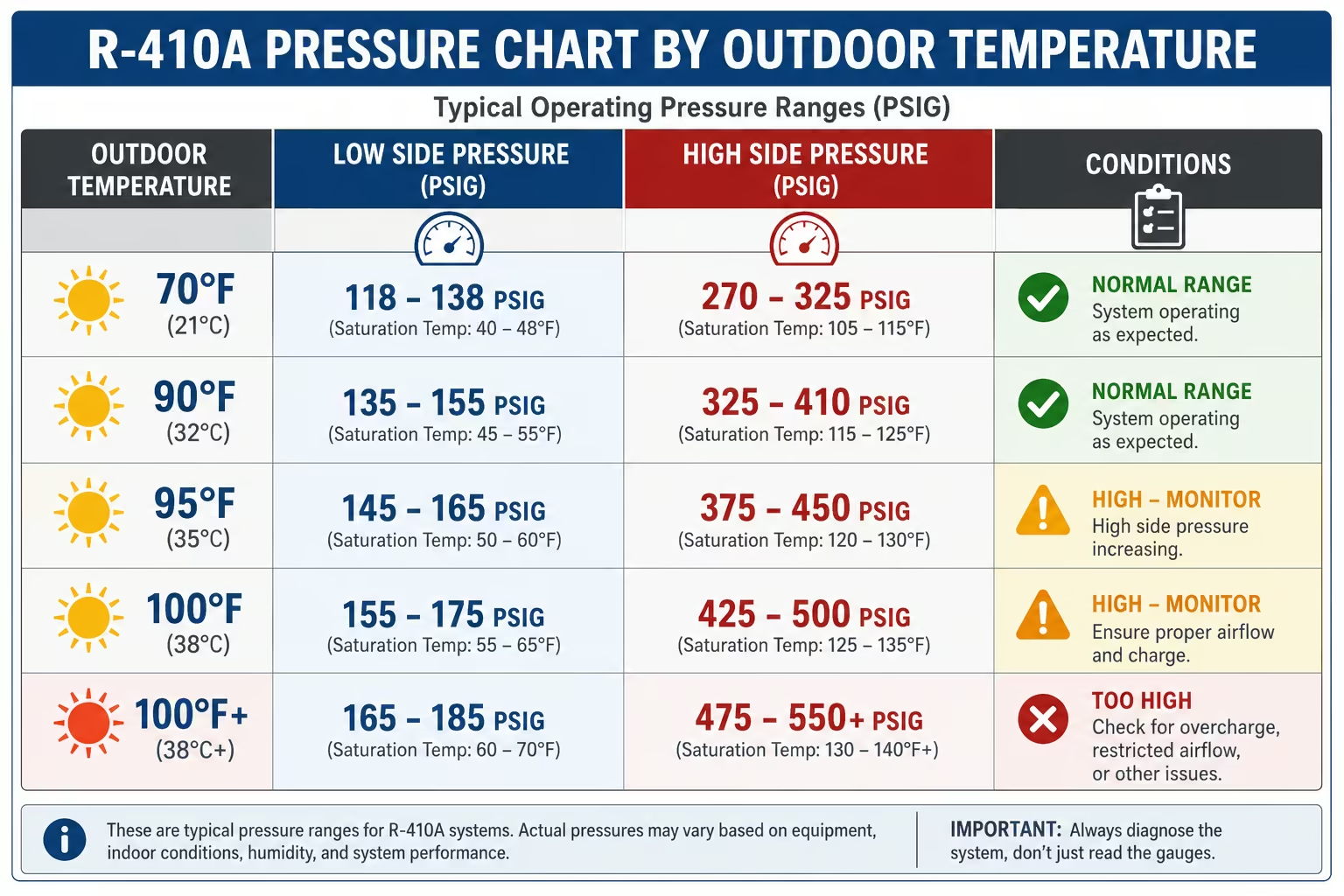
High Side (Discharge) Pressure Ranges
For a healthy system in cooling mode, high side pressure generally falls between 200 and 450 PSIG. At 70°F outdoors, expect roughly 370 to 420 PSIG. As the day heats up toward 90°F, that range climbs to around 400 to 450 PSIG. At a 95°F design-day temperature, many systems settle near 447 PSIG. Once outdoor air pushes past 100°F, high side readings above 485 PSIG become common, and the condenser starts working much harder. This upward climb happens because the condenser has less temperature difference to work with as outdoor air gets hotter, so it needs higher pressure to push heat outside.
Low Side (Suction) Pressure Ranges
Suction pressure moves more gently than high side pressure, but it still shifts with conditions. A normal range for R-410A in cooling mode runs from about 105 to 145 PSIG. At 70°F outdoors, expect around 118 to 135 PSIG. By 90°F, indoor heat load usually pushes that number to roughly 130 to 150 PSIG. At 95°F, many systems land between 135 and 145 PSIG. Because low side pressure depends heavily on indoor airflow and return air temperature, two identical systems can show slightly different suction readings even on the same outdoor day.
How to Read a PT Chart the Right Way
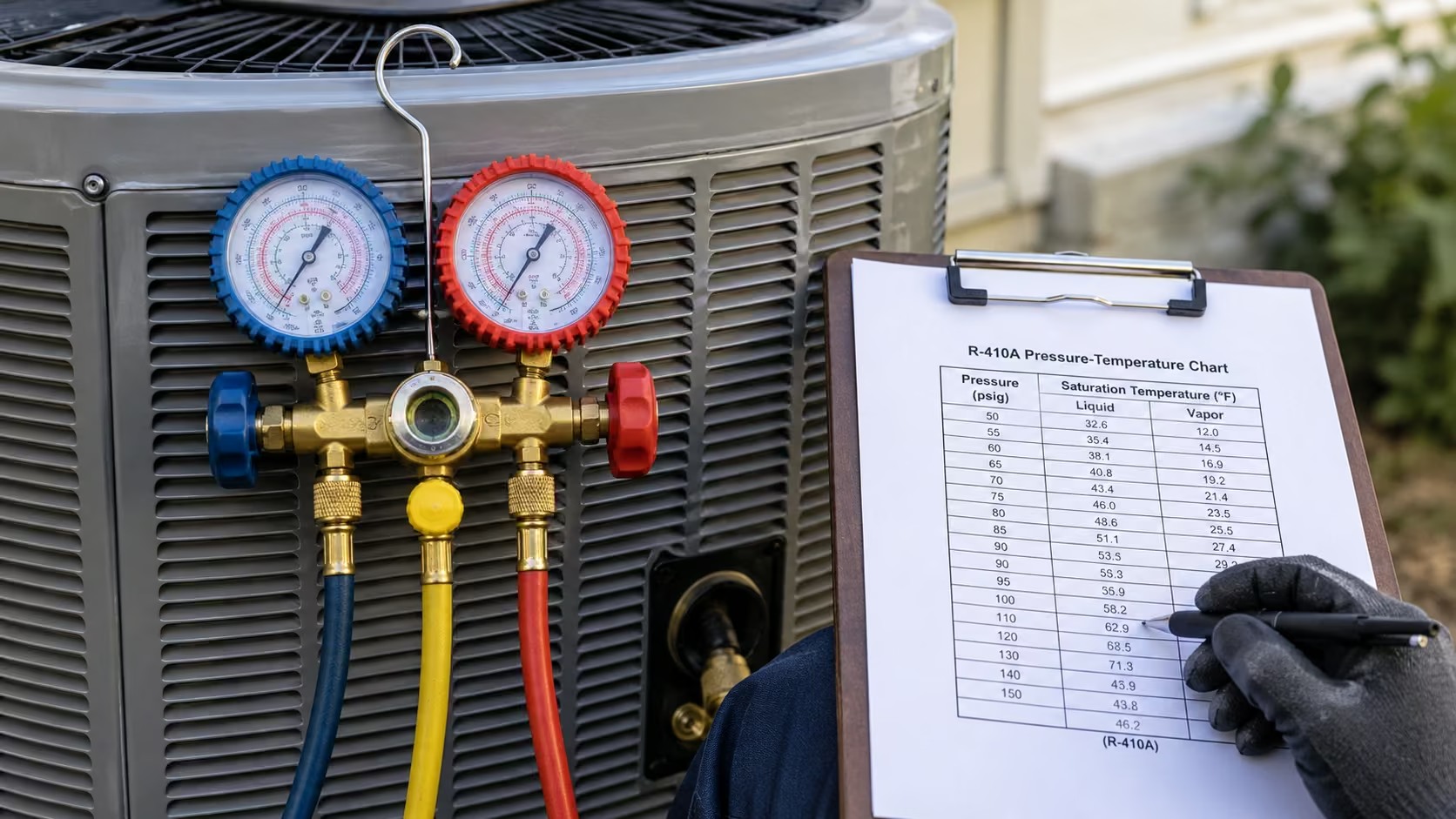
A pressure reading by itself only tells part of the story. To fully confirm a system’s health, technicians convert that pressure into a saturation temperature using a pressure-temperature chart. Our detailed guide on how to read a refrigerant PT chart walks through this conversion step by step, including how superheat and subcooling fit into the picture.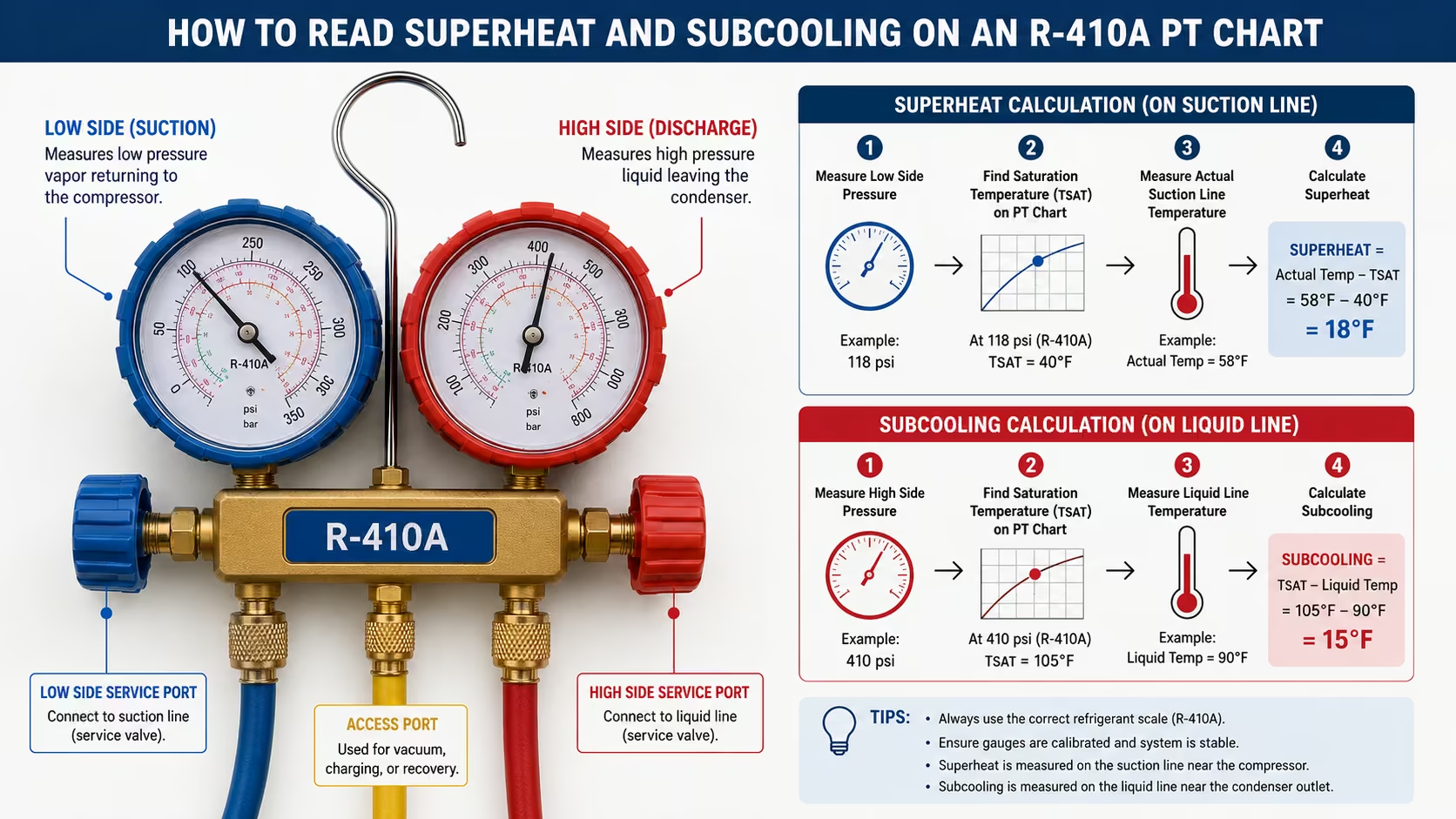
Step-by-Step: Matching Pressure to Saturation Temperature
First, record the outdoor ambient temperature next to the condenser. Second, attach gauges and note both suction and discharge pressure. Third, look up each pressure value on a PT chart to find its matching saturation temperature. Finally, compare that saturation temperature against your measured liquid line and vapor line temperatures. This last step is what produces subcooling and superheat, which are far more reliable diagnostic numbers than pressure alone.
Superheat and Subcooling Targets for R-410A
Under normal operating conditions, most R-410A systems should show 10°F to 15°F of superheat at the compressor inlet. Subcooling should generally fall between 8°F and 12°F at the liquid line. If pressure looks fine but these numbers are off, the real problem is usually a charge issue or a failing metering device hiding behind a normal-looking gauge reading. Always check the manufacturer’s data plate first, since factory-specified targets can vary slightly by model.
Common Pressure Problems and What They Mean
Once you know what normal looks like on an R-410A pressure chart, abnormal readings become much easier to interpret. Most problems fall into a handful of recognizable patterns.
High Head Pressure Causes
High side pressure above the expected range usually points to one of three culprits. A dirty condenser coil blocks airflow and traps heat near the refrigerant. A failing condenser fan slows heat rejection in the same way. Overcharge adds extra refrigerant volume that the system cannot condense efficiently. Confirm overcharge by checking subcooling; unusually high subcooling paired with high head pressure almost always points to too much refrigerant in the system.
Low Suction Pressure Causes
Suction pressure below the expected range often signals undercharge or a refrigerant leak. Restricted airflow across the evaporator coil, caused by a dirty filter or a failing blower, produces a similar symptom. A frosted or icy evaporator coil frequently accompanies this pattern. Because low suction pressure and low charge look almost identical to airflow restriction, always confirm the cause with superheat before replacing parts or adding refrigerant.
R-410A Regulations and Pricing in 2026
Anyone servicing R-410A systems today needs to understand the current regulatory landscape, since it directly affects parts availability and repair decisions.
Is R-410A Banned?
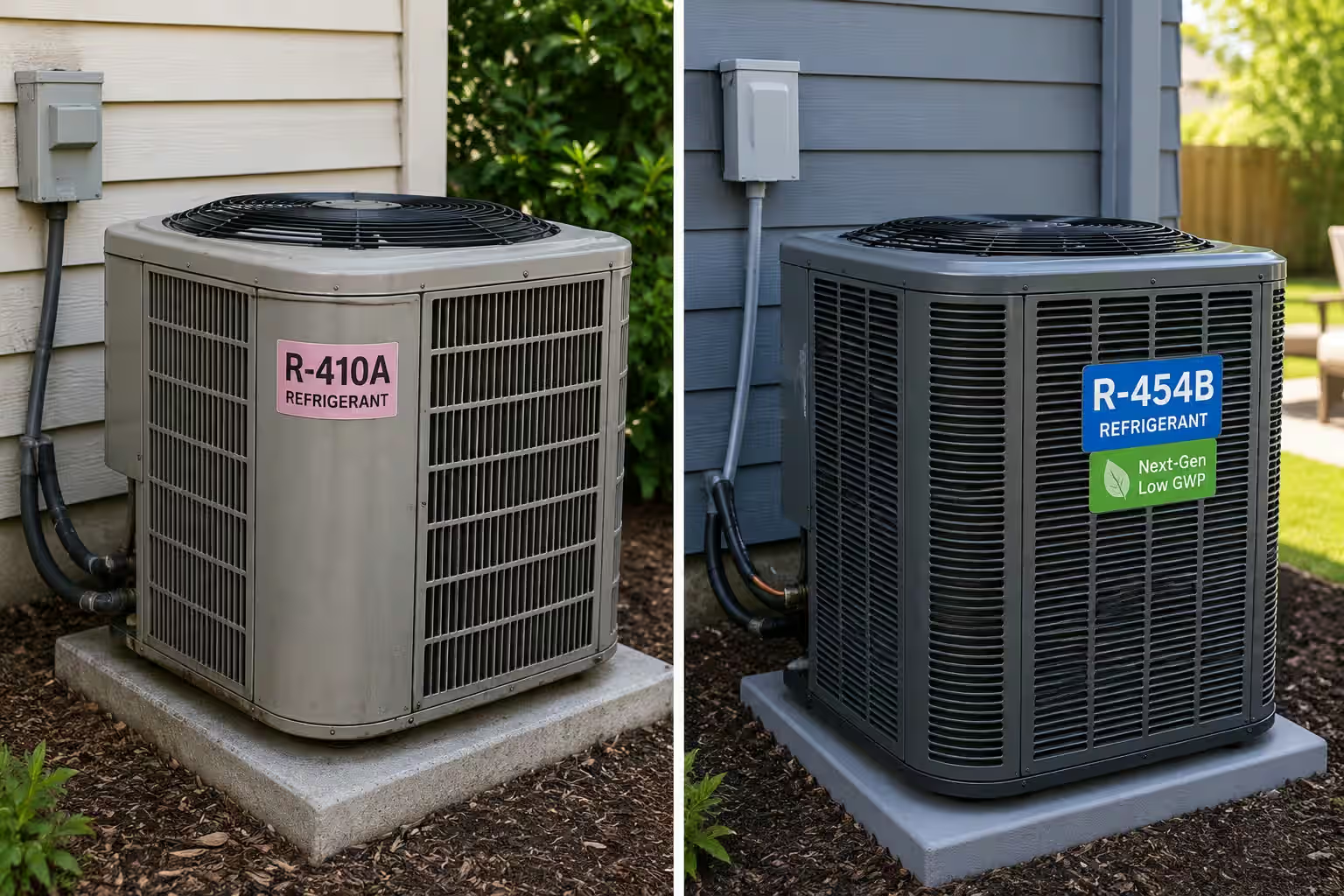
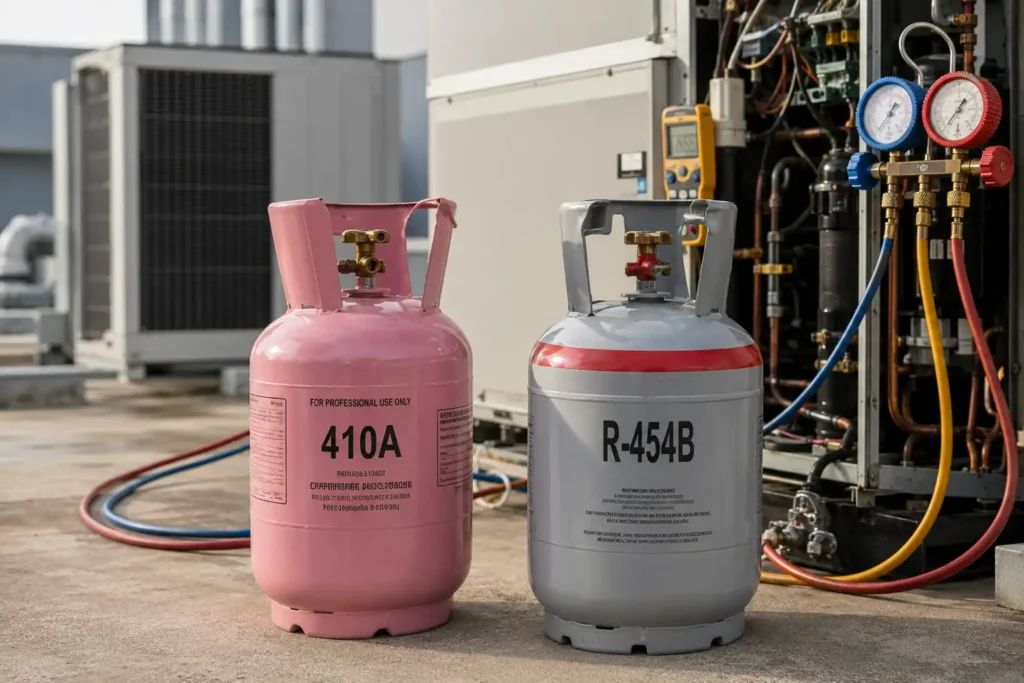
No, R-410A refrigerant itself is not banned. New manufacturing of residential R-410A air conditioners and heat pumps stopped under the EPA’s Technology Transitions Program, which set lower global warming potential limits for newly built equipment. Existing systems remain fully legal to operate and service. Reclaimed and recycled R-410A supplies continue to support older systems, and pre-2025 manufactured equipment can often still be installed under current sell-through provisions. For the full breakdown of dates and state-level rules, see our R-410A phase-out deadline guide.
What Rising Prices Mean for Homeowners
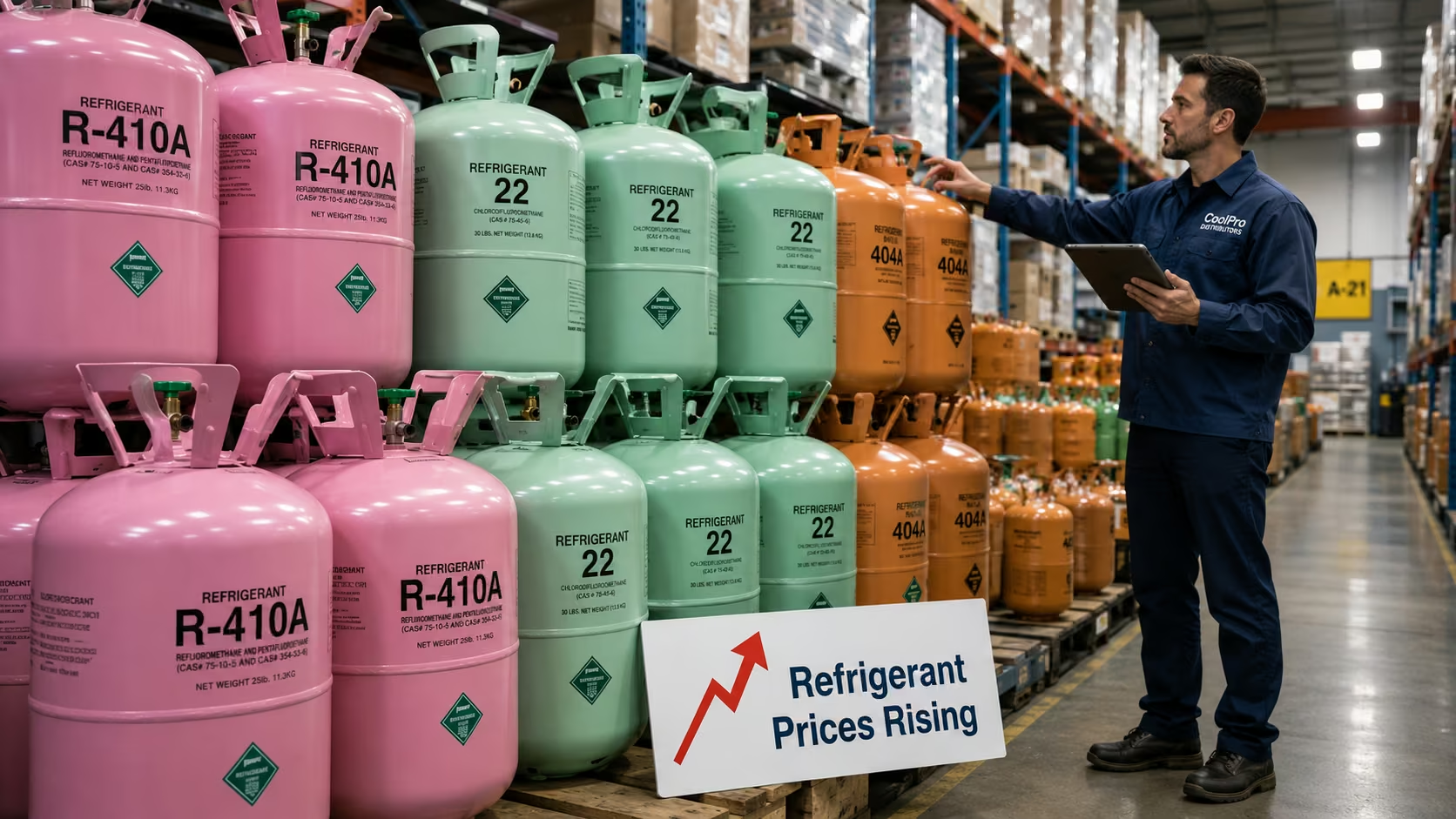
As HFC allowances shrink each year under federal phasedown rules, R-410A supply tightens and prices climb. Contractors are increasingly paying noticeably more per pound than they did just a few years ago. On a service call, this pricing shift changes the math. A minor leak repair on a newer system is often still worth doing. A major recharge on an aging unit may cost close to the price of moving toward a new system altogether. Comparing repair cost against remaining system life has become a bigger part of every conversation with a homeowner.
Tools You Need for Accurate Readings
Reading a pressure chart correctly starts with using the right equipment. Guessing without the proper tools leads to bad diagnoses, wasted refrigerant, and callbacks.
Manifold Gauges and Digital Tools
A standard manifold gauge set paired with a printed PT chart still works well for most field diagnostics. Many technicians now prefer digital manifolds with built-in pressure-temperature calculations, since they remove a step and reduce the chance of a misread chart. If you need genuine, correctly rated R-410A for a recharge, our R-410A refrigerant page has verified supply available for licensed technicians.
When to Call a Professional
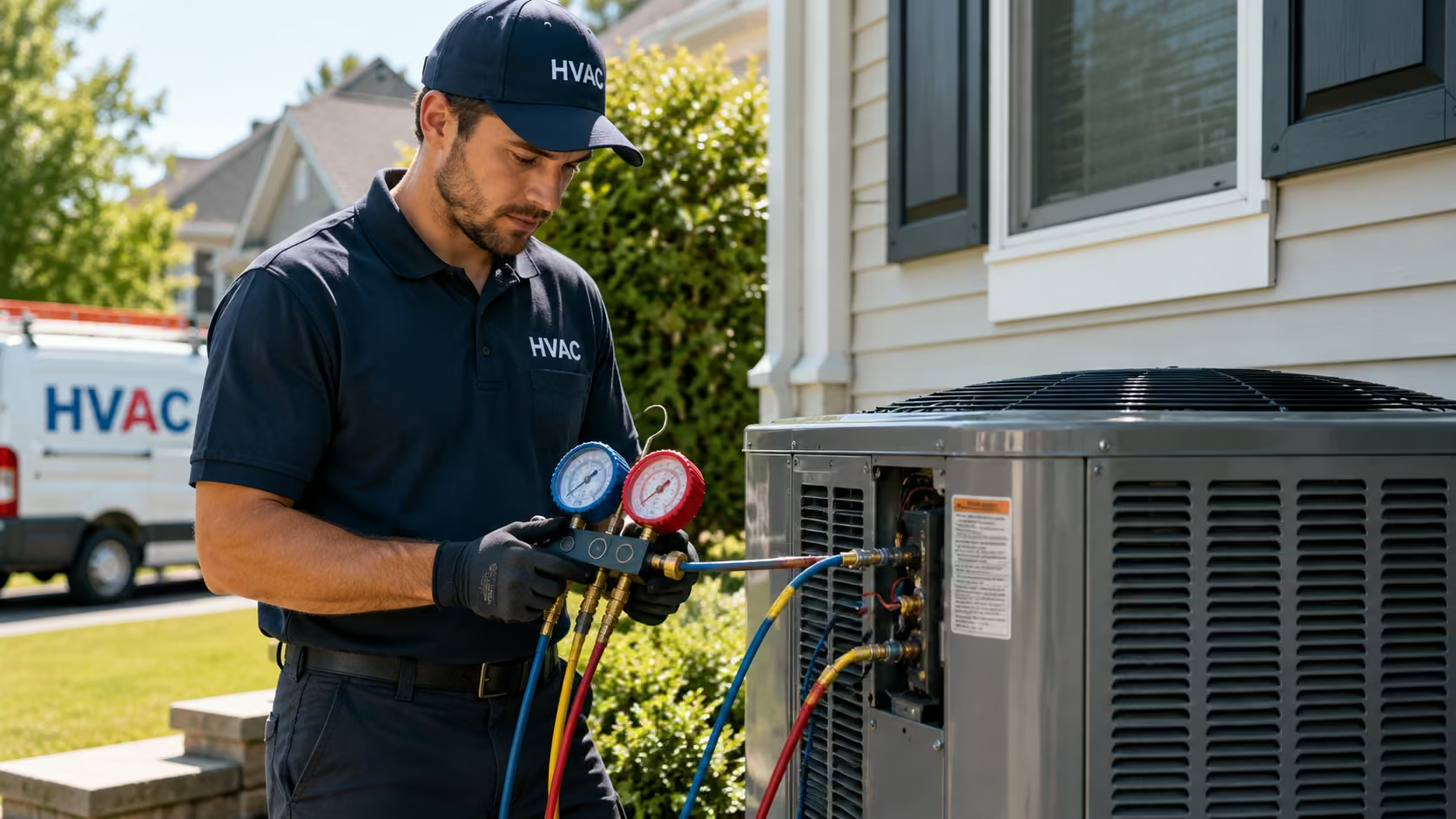
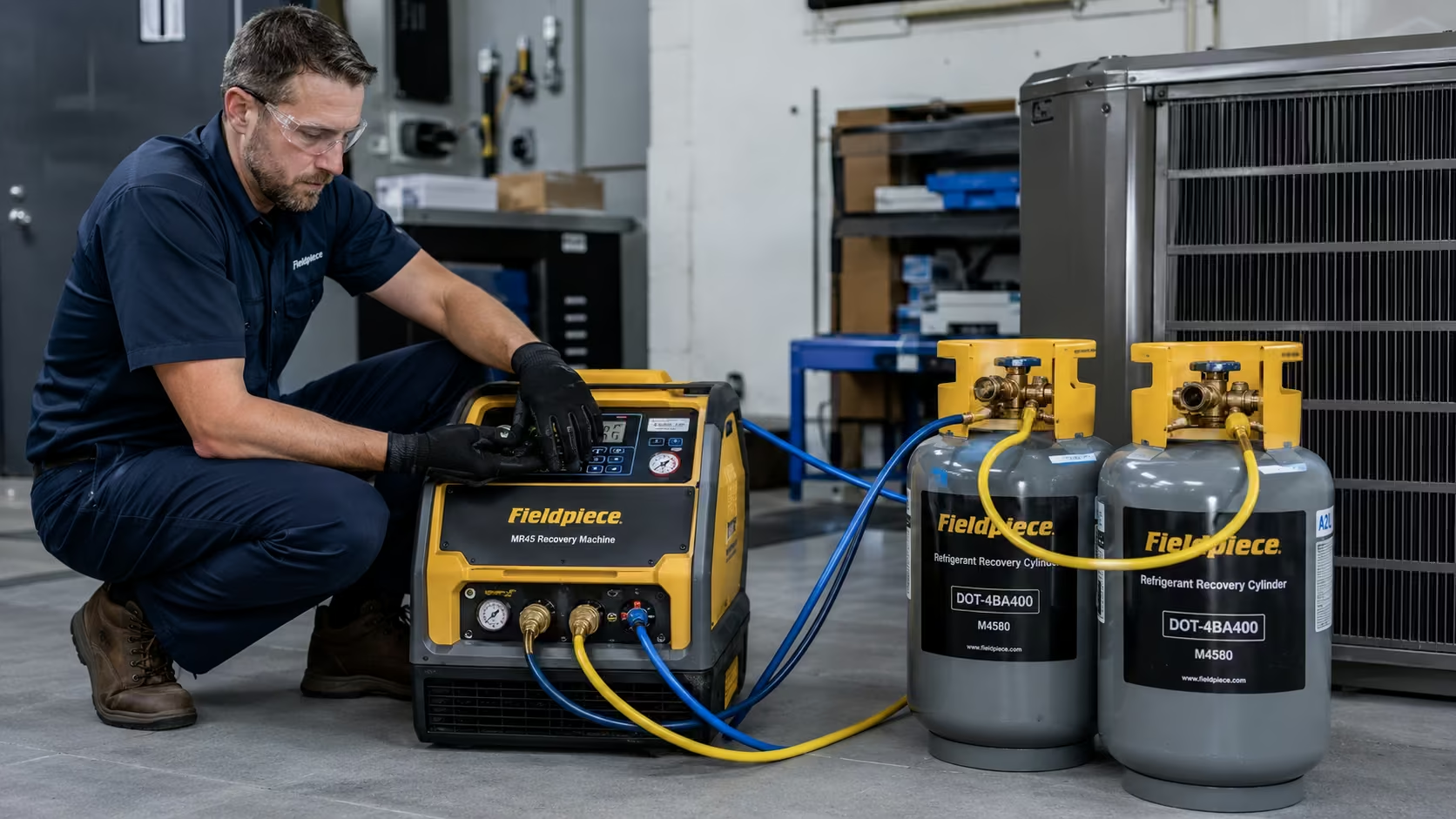
Homeowners can absolutely learn to read a basic pressure gauge, but full diagnostics require certification, recovery equipment, and legal access to refrigerant. If your system’s pressures fall outside the normal range on this chart, that is a strong signal to call a licensed technician before the problem gets worse or damages the compressor.
Logging Readings for Better Diagnostics
Experienced technicians rarely trust a single snapshot reading. Instead, they log several data points at the same moment: outdoor ambient temperature, indoor return temperature, suction pressure, head pressure, suction line temperature, and liquid line temperature. This full picture, rather than pressure alone, is what turns a guess into a confirmed diagnosis. Keeping a simple log across multiple service visits also helps spot a slow refrigerant leak long before it causes a full system failure, since gradually dropping suction pressure over several months is a pattern that a single visit would never reveal.
Frequently Asked Questions
What is a normal R-410A pressure chart reading in cooling mode?
A healthy R-410A system typically shows high side pressure between 200 and 450 PSIG and low side pressure between 105 and 145 PSIG. The exact number within that range depends heavily on outdoor temperature at the time of the reading.
Why does my R-410A pressure change so much with outdoor temperature?
The condenser needs a bigger pressure difference to push heat into hot outdoor air than into cool air. As temperatures climb, high side pressure rises to compensate, while low side pressure rises more gradually because it depends mostly on indoor conditions.
What should R-410A pressure be at 95 degrees outside?
At a 95°F outdoor design temperature, expect high side pressure near 447 PSIG and low side pressure between roughly 135 and 145 PSIG on a properly charged system.
Is high R-410A pressure always a sign of overcharge?
Not always. Dirty condenser coils, blocked outdoor airflow, and failing condenser fans can all raise high side pressure without any extra refrigerant in the system. Subcooling readings help confirm whether overcharge is the true cause.
Can I use an R-22 pressure chart for an R-410A system?
No. R-410A operates at significantly higher pressures than R-22 at the same temperature. Using the wrong chart will lead to a completely inaccurate diagnosis and may cause you to add or remove refrigerant unnecessarily.
What superheat and subcooling numbers confirm a correct R-410A charge?
Most systems target 10°F to 15°F of superheat and 8°F to 12°F of subcooling under normal conditions. Always check the manufacturer’s data plate, since factory specifications can vary by model.
Is R-410A still legal to buy and use in 2026?
Yes. R-410A remains legal to purchase for servicing existing systems. Only new manufacturing of residential R-410A equipment has stopped, not the refrigerant itself or its use in systems already installed.
Why do R-410A prices keep going up?
Federal rules are gradually reducing how much HFC refrigerant, including R-410A, can be produced and imported each year. As supply shrinks, wholesale and installed costs continue climbing, which affects repair-versus-replace decisions for aging systems.
Final Thoughts on Reading Your R-410A Pressure Chart
Reading gauge pressure without context is guesswork, but pairing it with outdoor temperature turns those numbers into a real diagnosis. This R-410A pressure chart gives you the normal ranges for both high side and low side pressure, plus the superheat and subcooling checks that confirm what those numbers actually mean. Once you understand how temperature shifts these readings, misdiagnosing a healthy system becomes far less likely.
If your readings fall outside the expected range, do not guess your way through a fix. Reach out to a licensed HVAC professional, or browse verified, correctly rated R-410A refrigerant supply to keep your system running the way it should this cooling season.