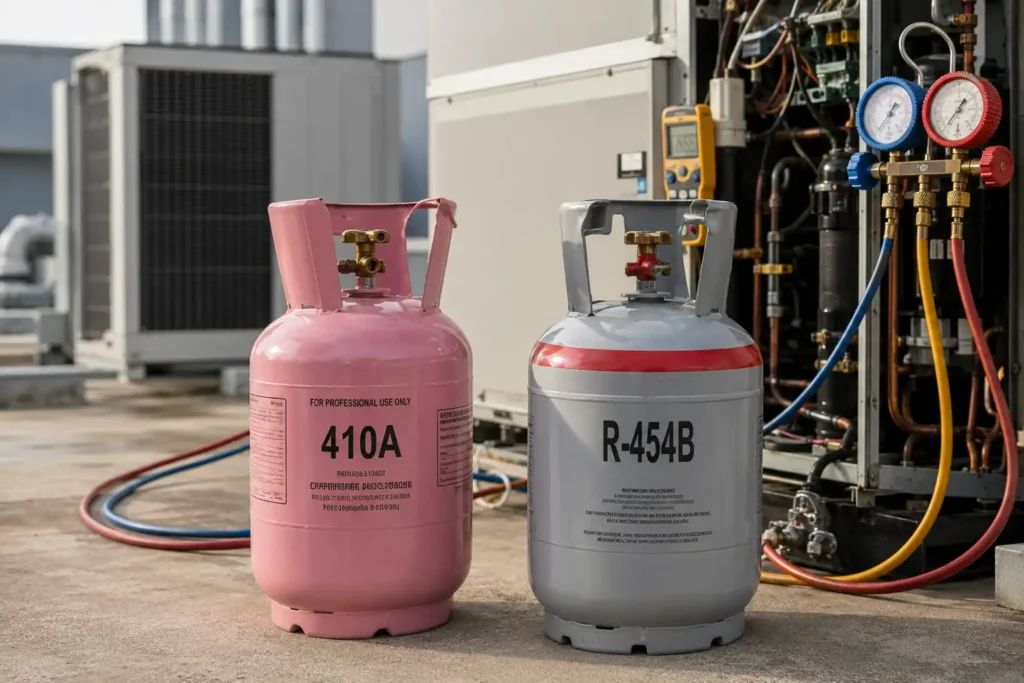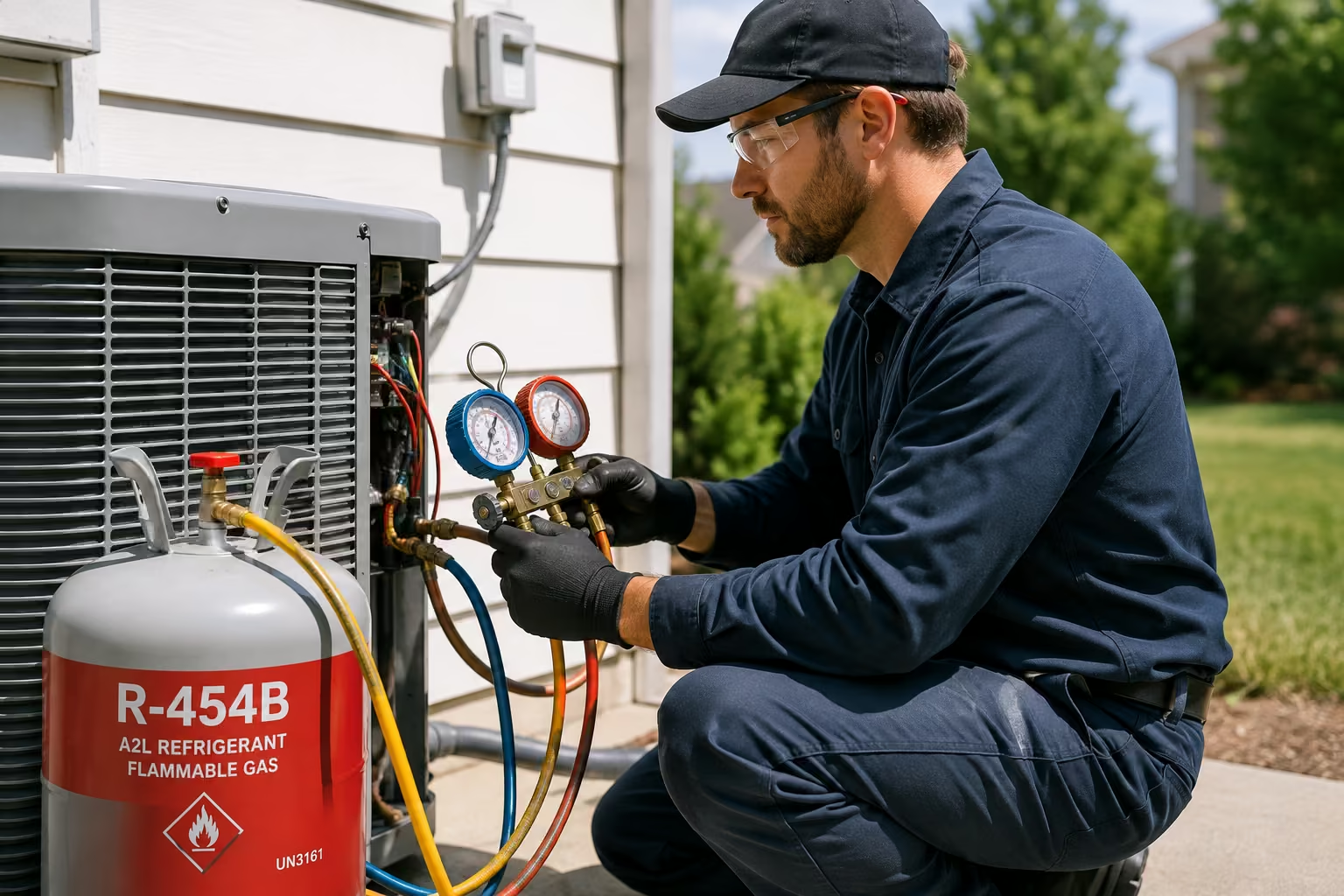

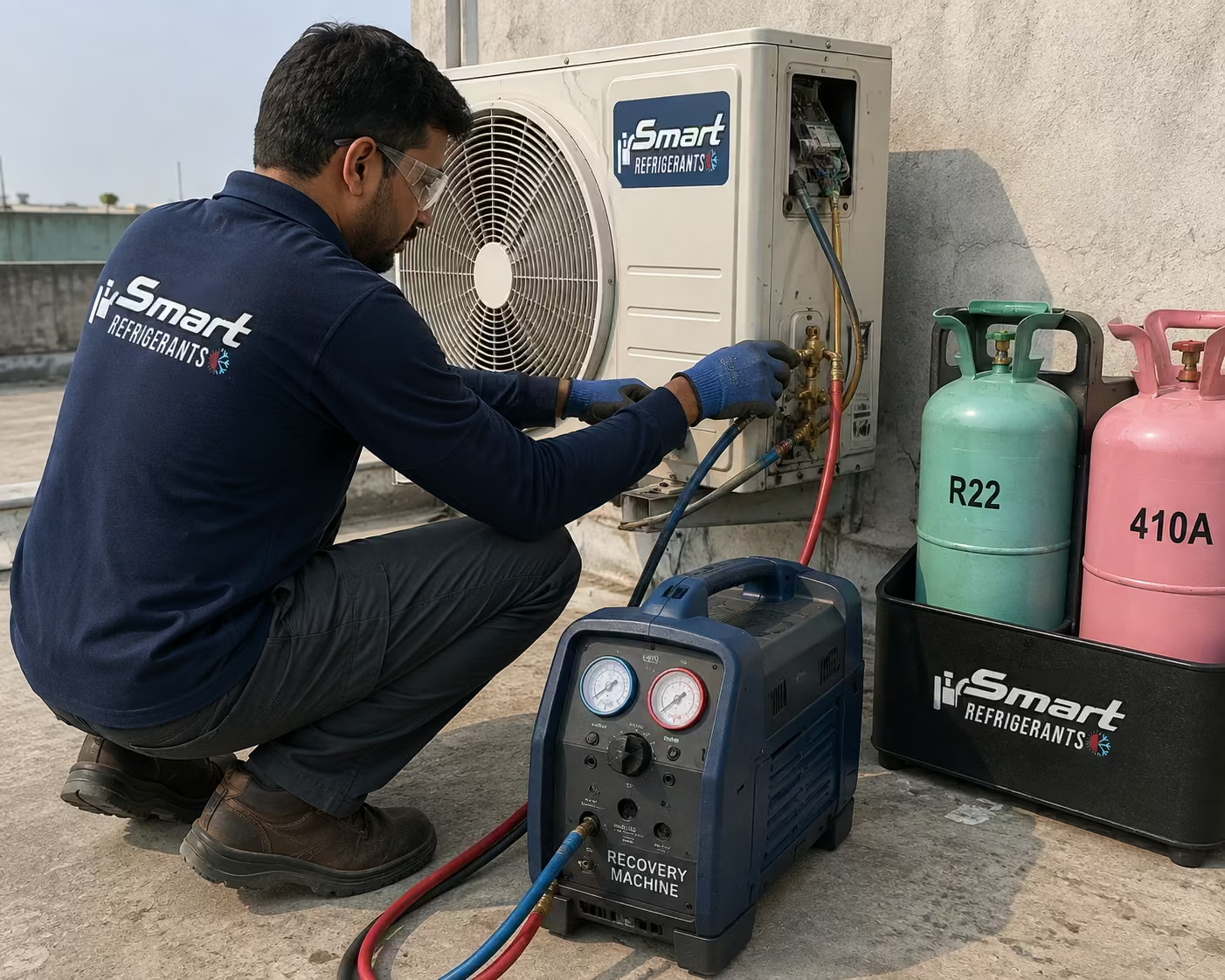
A hot summer truck cab, a full cylinder rolling around in the back, and a rushed brazing job add up to a recipe for trouble. Most techs know R-410A is labeled non-flammable, but that single fact hides several real risks that deserve careful attention. Skipping proper safety steps can lead to frostbite, asphyxiation, or even a fire that “shouldn’t have been possible.”
This guide covers exactly how to handle, store, and respond to leaks involving R-410A refrigerant the right way. For related guidance on catching problems early, pair this article with our detailed walkthrough on leak detection and repair, which explains how to find leaks before they become emergencies.
Understanding R-410A’s Real Safety Classification
Knowing exactly what “non-flammable” means in practice prevents dangerous assumptions on the job site. The classification system behind this label is worth understanding fully.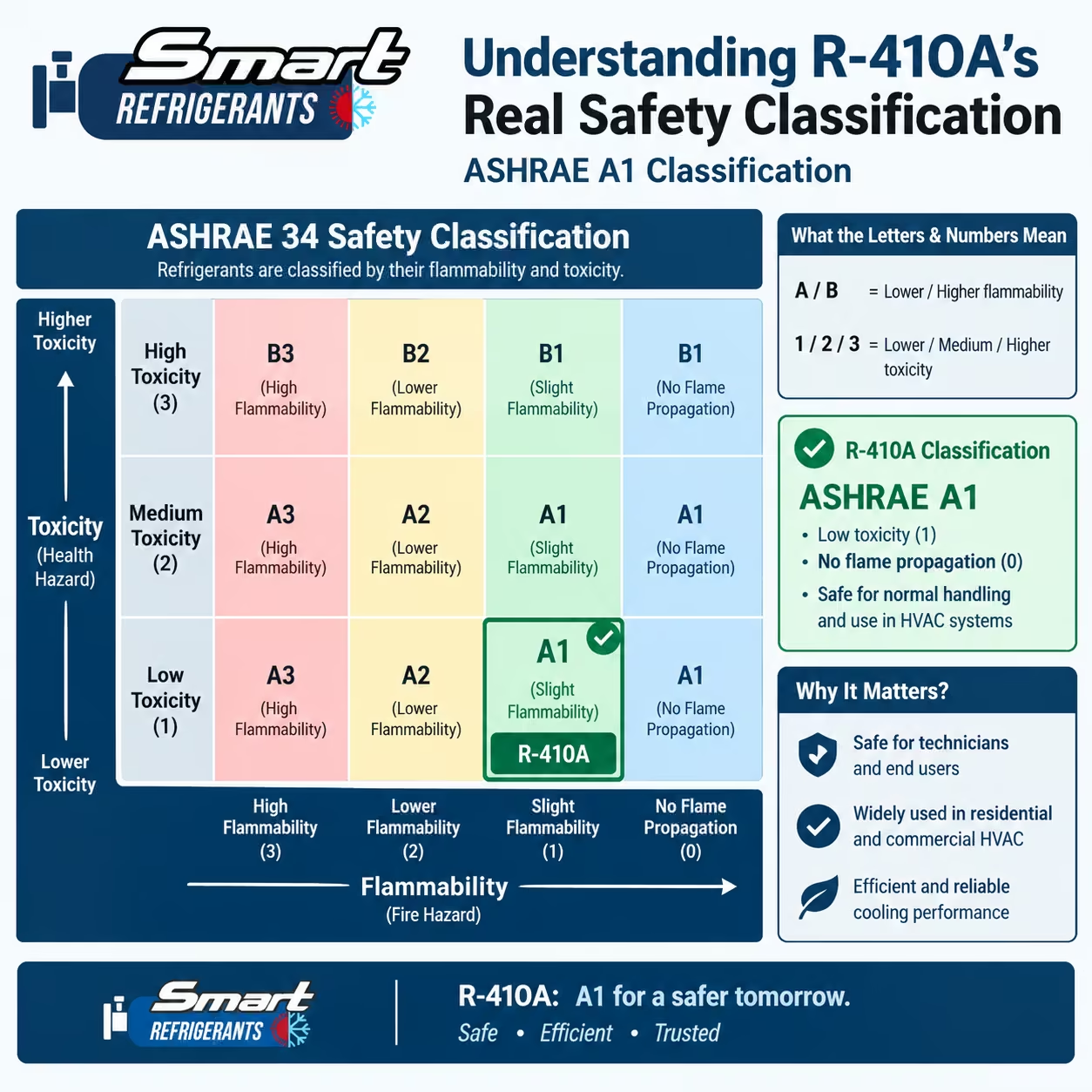
The ASHRAE A1 Rating
R-410A carries an ASHRAE Standard 34 classification of A1, meaning it shows no flame propagation and lower toxicity under standard testing. This rating is why residential systems used R-410A safely for over two decades without special ventilation or leak sensors. It remains one of the safest refrigerant classes on the chart.
When Non-Flammable Still Becomes Combustible
Under normal conditions, R-410A will not burn. However, it can become combustible when mixed with air under pressure and exposed to a strong ignition source, such as a brazing torch. The published auto-ignition temperature sits near 790°C, or 1,454°F, which brazing flames easily exceed.
This caveat matters more than most techs realize. Pressurizing a line with R-410A and then brazing on it is a well-documented way to start a fire that theoretically should not happen.
Toxicity and Asphyxiation Risk
The safety data sheet rates R-410A as low in acute toxicity based on animal studies. The bigger practical danger involves oxygen displacement, since a 12% to 14% reduction in oxygen levels can cause asphyxiation symptoms in a confined space. This is a physics problem, not a chemical toxicity problem, and proper ventilation solves it every time.
Safe Handling Practices on the Job
Handling refrigerant correctly protects both the technician and the equipment being serviced. These practices come directly from published safety data sheets and industry best practice.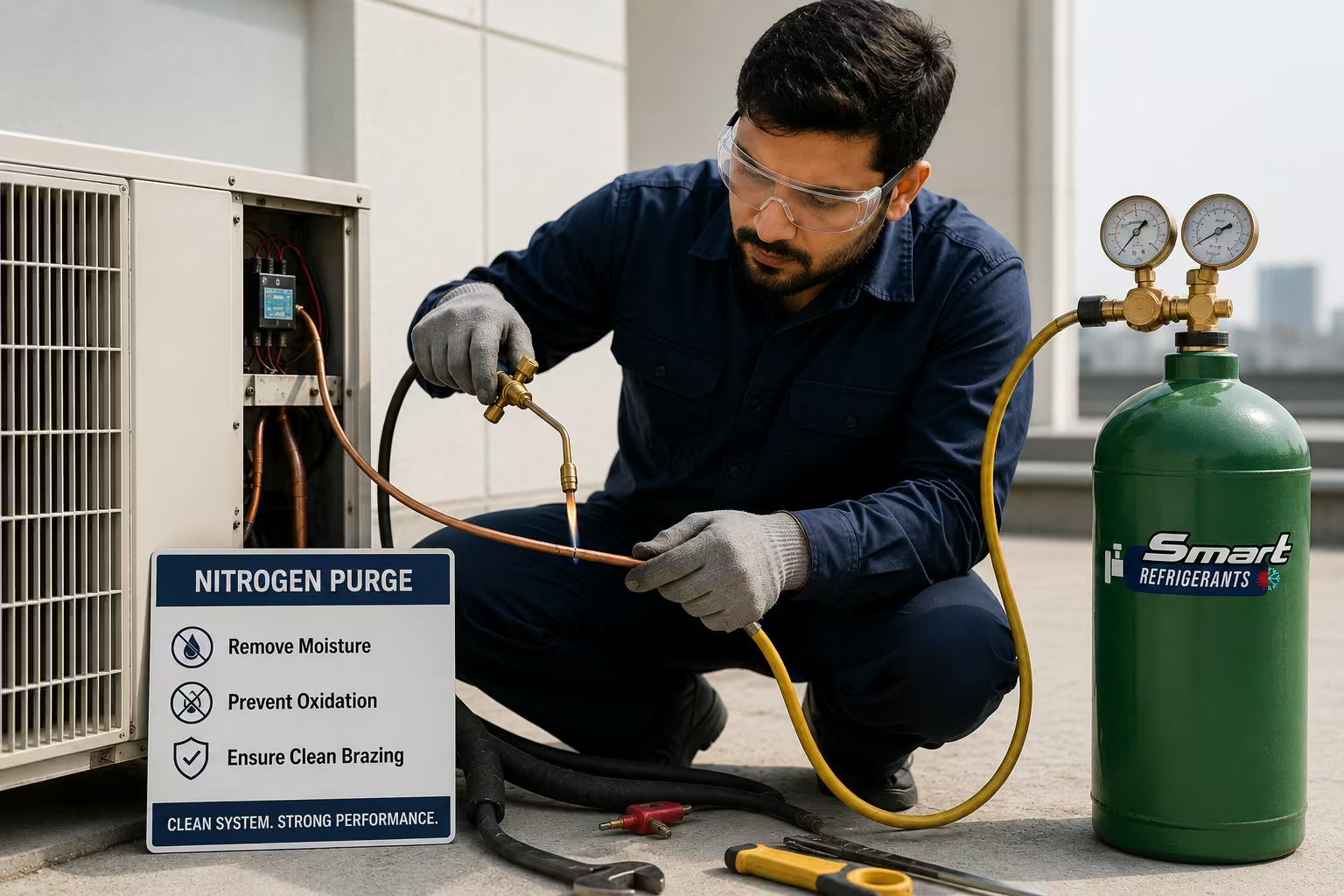
Recovering Before Brazing
Never braze on a line that still holds pressure or refrigerant. Recover to the required vacuum level first, then purge the line with dry nitrogen before applying any flame. Skipping this step is one of the most common causes of preventable fire incidents in the trade.
Charging as a Liquid
R-410A is a zeotropic blend, meaning vapor charging can shift the blend ratio and damage the compressor over time. Always charge as a liquid into the liquid line, or carefully through a metering device on the suction side. This preserves the correct refrigerant mix throughout the system’s life.
Respecting Higher Operating Pressures
R-410A runs significantly higher than older refrigerants like R-22, so equalized pressure at 70°F sits near 201 PSIG. High-side discharge typically reaches 370 to 420 PSIG during normal summer operation. Only use gauges, hoses, and recovery equipment specifically rated for these elevated pressures.
Proper Cylinder Storage Requirements
Improper storage causes more preventable incidents than most contractors expect. A few consistent habits keep cylinders safe from job site to warehouse.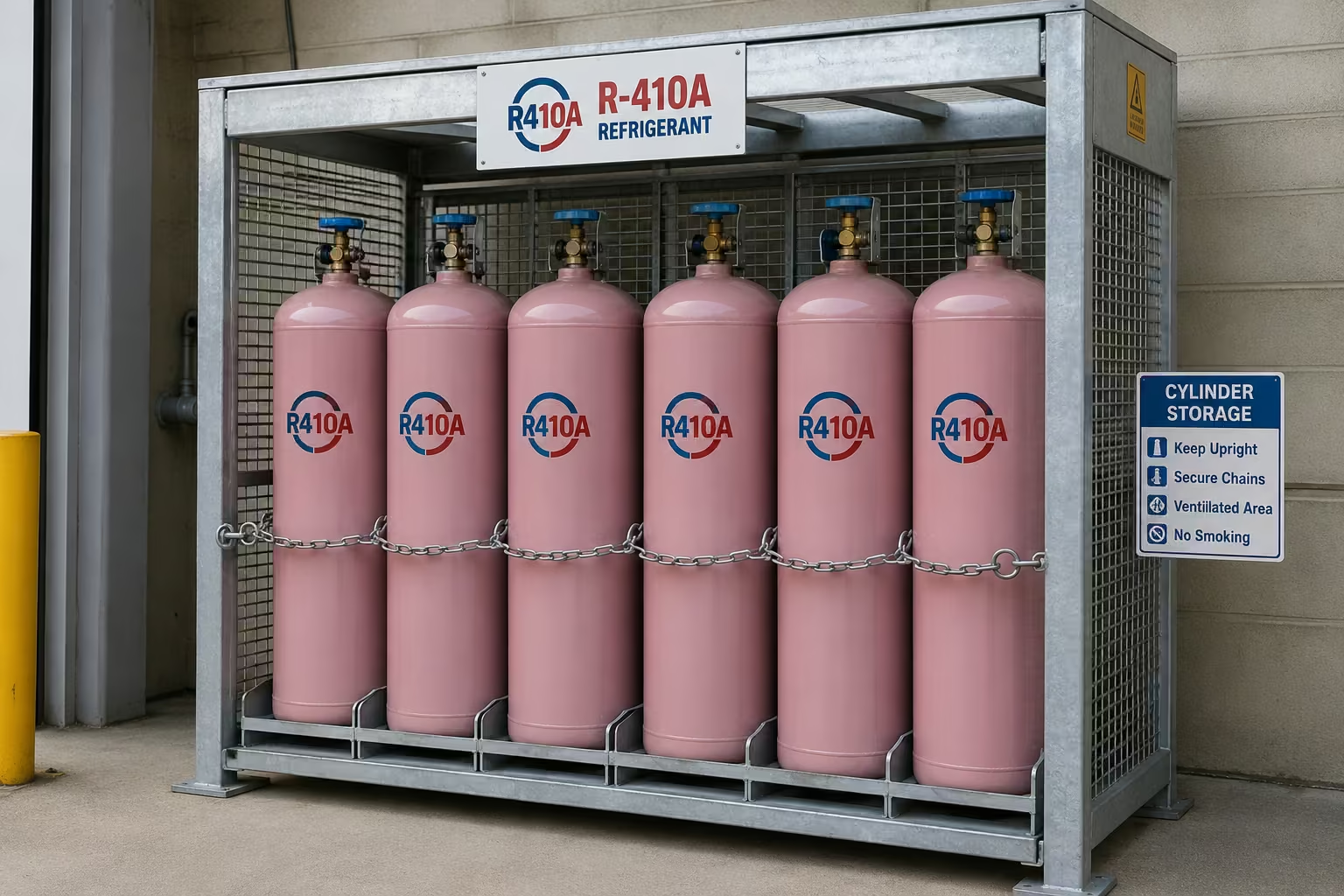
Temperature and Ventilation Rules
Store cylinders in a dry, cool, well-ventilated area away from direct sunlight. Overheating raises internal cylinder pressure and increases safety risk significantly. A hot truck bed on a summer afternoon is exactly the environment to avoid whenever possible.
Upright Positioning and Securing
Cylinders should always sit upright and secured in a proper rack or holder, never loose or lying on their side. This prevents accidental tipping, valve damage, and uncontrolled leaks during transport or storage. Simple securing straps make a meaningful safety difference at minimal cost.
Separating Full and Empty Cylinders
Keeping full and empty cylinders clearly labeled and separated prevents confusion during busy service days. This habit also simplifies inventory tracking and reduces the chance of grabbing an empty tank mid-job. Clear labeling protects both efficiency and safety at the same time.
Personal Protective Equipment Essentials
The right gear turns a routine service call into a genuinely low-risk task. Skipping PPE is rarely worth the few minutes it saves.
Eye and Skin Protection
Safety glasses handle normal working conditions, while chemical splash goggles are recommended whenever liquid contact is a real possibility. Insulated gloves made from neoprene or PVA material protect against frostbite from accidental liquid contact. Standard work gloves alone do not provide enough protection for direct exposure.
Respiratory Protection in Confined Spaces
Most open, ventilated work does not require respiratory gear. However, working in a confined mechanical room or during a large accidental release calls for a self-contained breathing apparatus or supplied air. Recognizing when ventilation alone is not enough protects against silent asphyxiation risk.
Keeping Certification Current
EPA Section 608 certification is legally required to purchase, handle, or dispose of R-410A refrigerant. This requirement exists specifically to ensure technicians understand these safety protocols before working with pressurized refrigerant systems. Homeowners cannot legally purchase or self-service R-410A for this exact reason.
Responding to a Refrigerant Leak
Even careful technicians eventually deal with a leak. Knowing the correct response sequence keeps everyone safe and limits unnecessary refrigerant loss.
Evacuating and Ventilating the Area
Move unprotected personnel away from the affected space immediately. Provide ventilation as soon as it is safe to do so, since R-410A displaces oxygen rather than reacting chemically with the air. Never re-enter a confined space until air testing confirms it is safe.
Locating and Isolating the Source
Once the area is safe, identify the leak location using an electronic leak detector or soap bubble test. Isolate the affected section if possible to limit further refrigerant loss. Given current pricing near $16 to $20 per pound wholesale, controlling leak loss also protects the job’s profitability.
Documenting the Incident
Record the leak location, estimated quantity lost, and repair actions taken for compliance purposes. This documentation supports EPA Section 608 recordkeeping requirements and protects the business during any future audit. A quick photo and written note at the time of service saves confusion later.
Frequently Asked Questions
Is R-410A flammable under normal conditions?
No. R-410A is classified A1 under ASHRAE Standard 34, meaning it does not propagate a flame at ambient temperature and atmospheric pressure.
Can R-410A become combustible in certain situations?
Yes. Under pressure with a strong ignition source, or above its auto-ignition temperature of roughly 1,454°F, it can become combustible. Brazing on a pressurized line is the most common trigger.
What should I do if I smell refrigerant indoors?
Ventilate the space immediately and avoid open flames or ignition sources nearby. If symptoms of dizziness occur, move to fresh air right away and seek medical attention if needed.
How should R-410A cylinders be stored?
Store them upright, secured in a rack, away from direct sunlight, and in a cool, well-ventilated area. Overheating raises internal pressure and increases safety risk.
What PPE is required when handling R-410A?
Safety glasses or goggles, insulated gloves rated for refrigerant contact, and respiratory protection in confined or poorly ventilated spaces are all recommended.
Does R-410A produce dangerous byproducts if it burns?
It produces less dangerous byproducts than older chlorinated refrigerants since it contains no chlorine. However, it can still release hydrogen fluoride at very high temperatures, which is why brazing on a charged line must always be avoided.
Why does R-410A require certification to purchase?
EPA Section 608 certification ensures technicians understand the pressure risks, recovery requirements, and safe handling procedures before purchasing or servicing with this refrigerant.
What is the biggest safety risk from a large indoor leak?
Asphyxiation from oxygen displacement is the primary risk, not fire. A large leak in a poorly ventilated mechanical room can reduce oxygen levels dangerously fast.
Conclusion
Handling R-410A refrigerant safely comes down to respecting a few consistent habits: recover before brazing, store cylinders properly, wear the right PPE, and respond to leaks with a clear process. None of these steps take much extra time, but skipping them can turn a routine job into a real emergency.
Technicians who build these practices into daily routine protect themselves, their customers, and their business from preventable incidents. Staying current on certification and safety data sheet guidance keeps every service call running smoothly and safely.
To keep every job fully equipped, browse trusted refrigerant accessories and gear through the refrigerant accessories collection for tools that support safe handling on every call.