

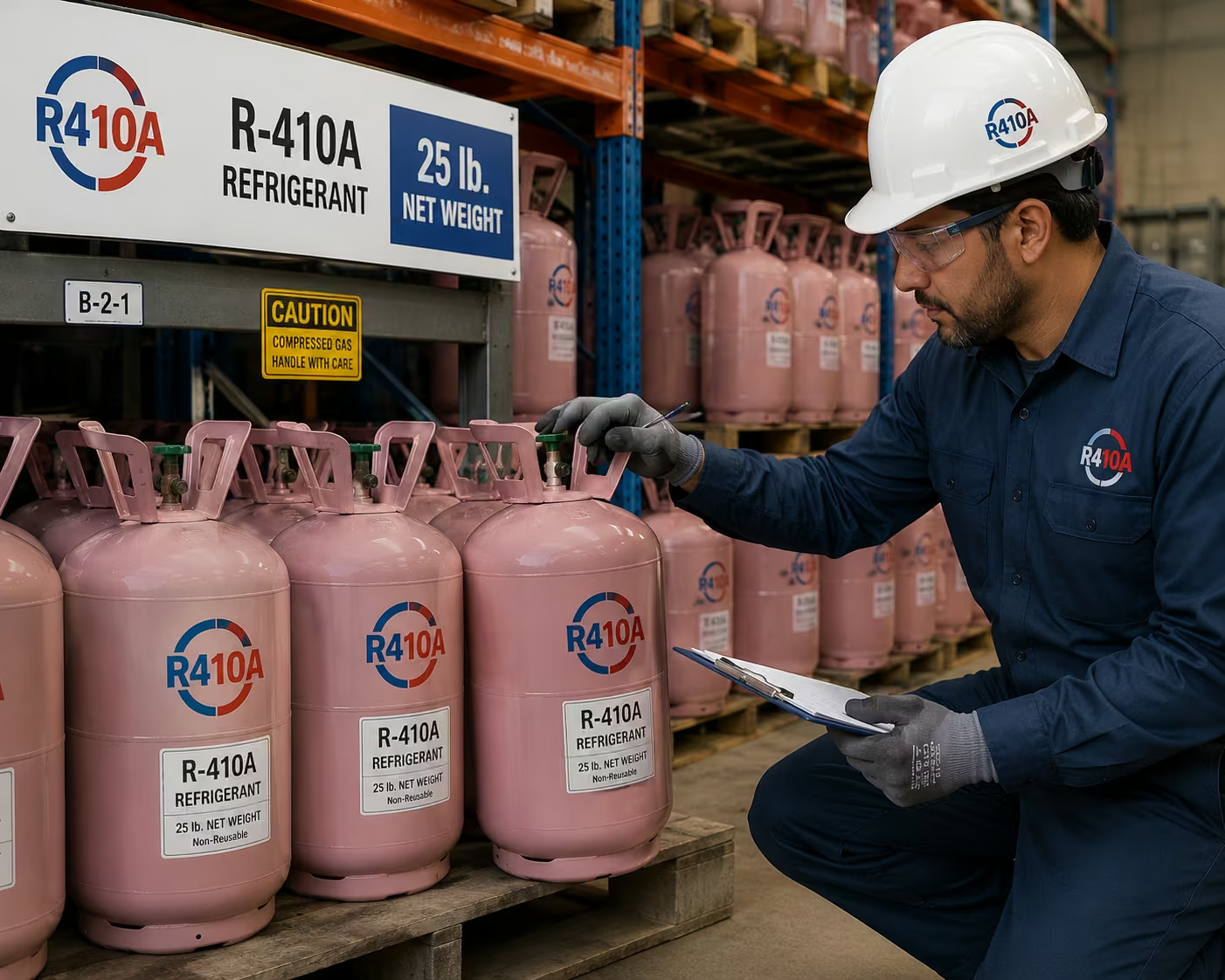
Prices keep climbing, supply keeps tightening, and every contractor eventually faces the same headache: finding dependable R-410A refrigerant without overpaying or risking counterfeit product. A bad purchasing decision can mean a damaged compressor, a failed inspection, or a customer who never calls back. Getting this part of the business right protects both profit margins and reputation.
This guide walks through exactly what to check before buying R-410A refrigerant, how to spot a reliable supplier, and what current pricing trends mean for your business in 2026. For context on why prices keep moving, this pairs well with our breakdown of why refrigerant prices are rising in 2026.
Understanding EPA Certification Requirements
Before any purchase happens, certification status determines what a contractor can legally buy. Getting this step wrong can stall a job before it even starts.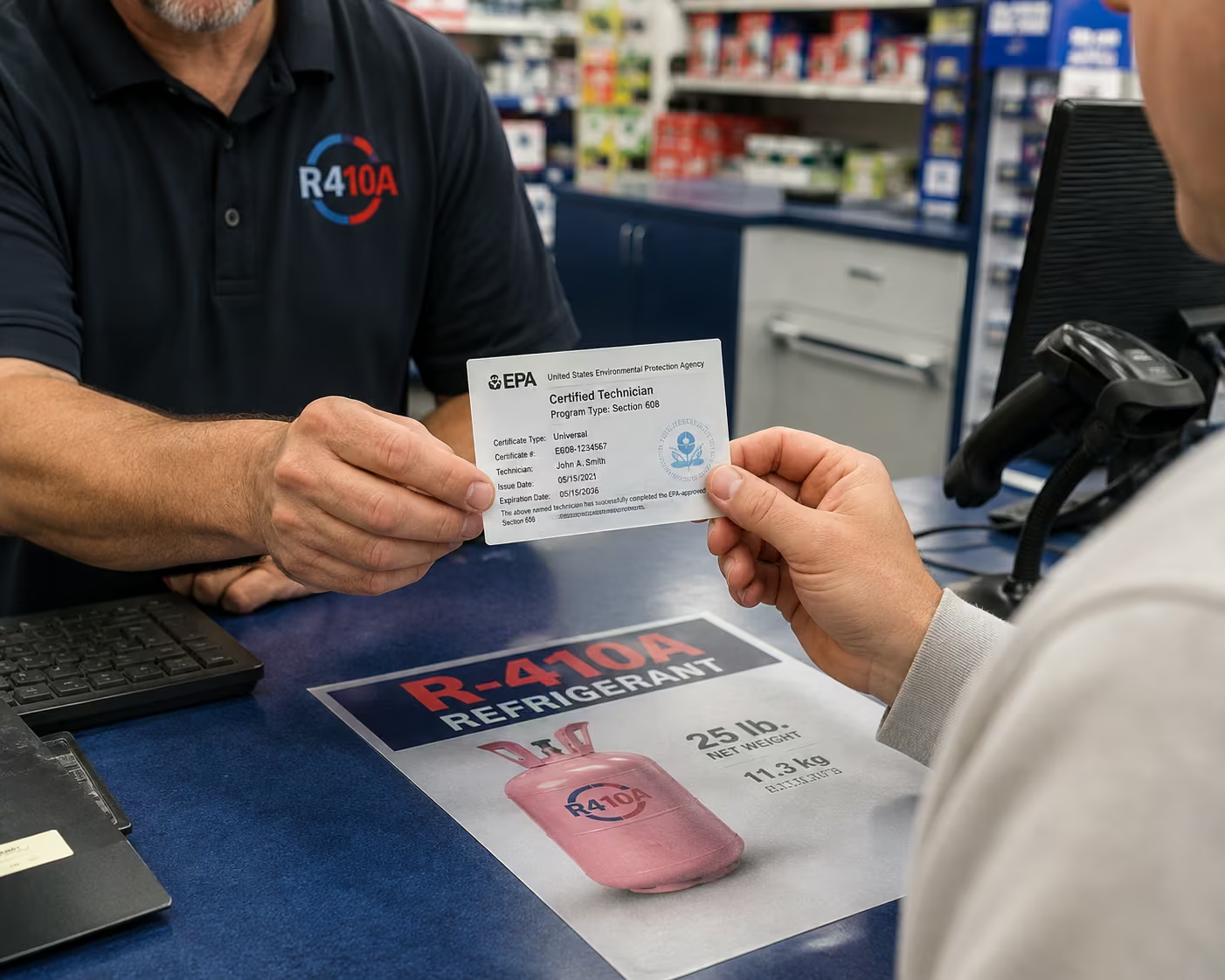
Section 608 Certification Basics
The EPA requires Section 608 certification under the Clean Air Act to purchase and handle most refrigerants, including R-410A, in quantities above a few pounds. Reputable suppliers verify this certification before completing any sale. This rule exists to prevent mishandling and improper venting of refrigerant into the atmosphere.
Which Certification Type You Need
There are four certification types: Type I, Type II, Type III, and Universal. Technicians working on higher-pressure systems like R-410A typically need at least Type II or Universal certification. Presenting this documentation to a supplier before ordering avoids delays at the counter.
Keeping Documentation Current
Certification numbers should stay on file with every supplier account and technician record. This small step saves time on repeat orders and keeps the business audit-ready at any point. A quick digital copy stored with each employee’s file prevents last-minute scrambling.
Verifying Refrigerant Purity and Quality
Not all R-410A sold on the market meets the same quality standard. A few checks protect equipment from contaminated or counterfeit product.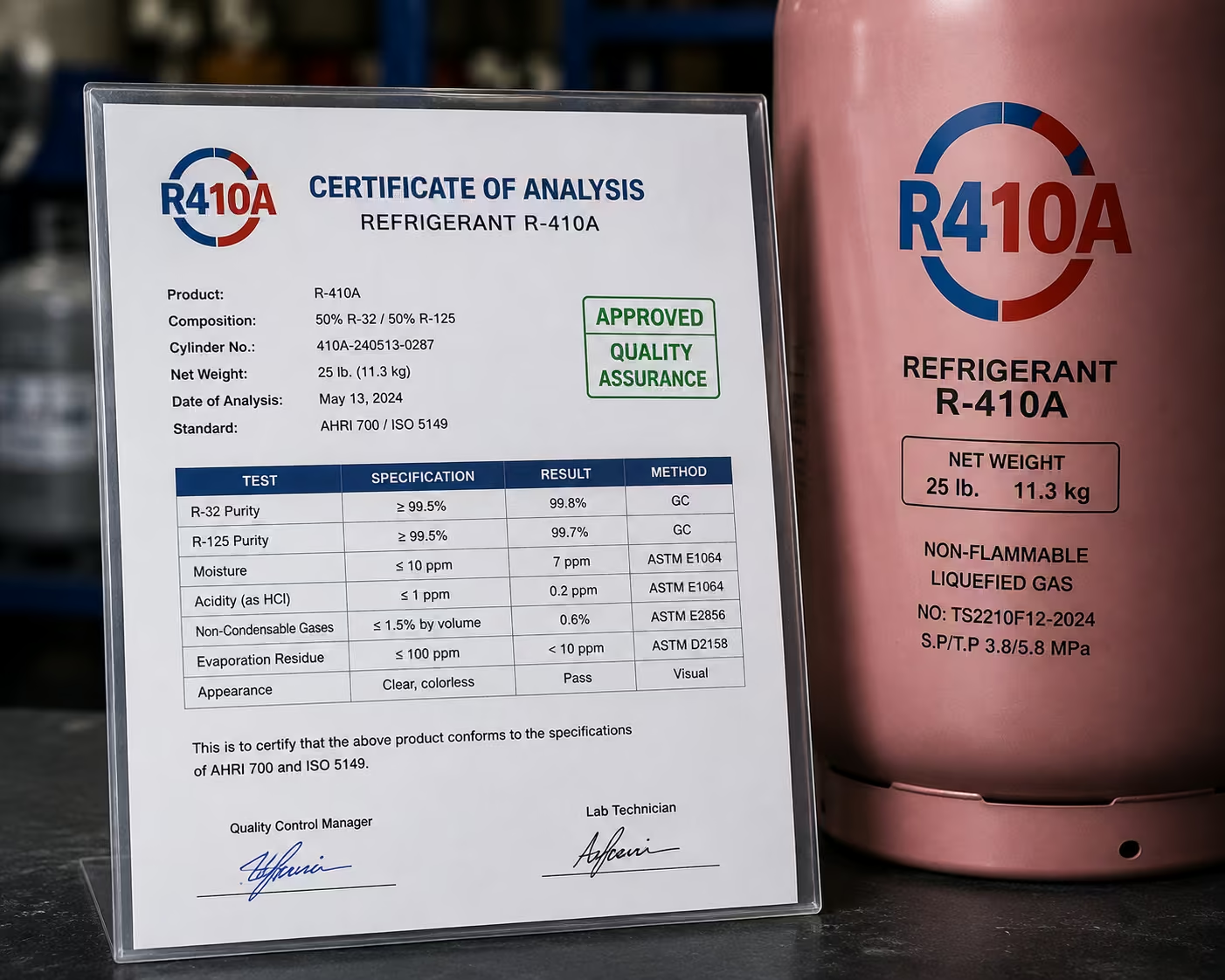
AHRI 700 Compliance
Reputable R-410A refrigerant should meet AHRI 700 purity standards covering moisture content and non-condensable gas levels. Suppliers who cannot provide this documentation deserve extra scrutiny. Poor quality refrigerant can damage compressors and reduce cooling efficiency significantly.
Certificates of Analysis
A trustworthy supplier provides a certificate of analysis alongside every batch sold. This document confirms the product matches its labeled composition and purity claims. Always request this paperwork, especially for larger bulk purchases.
Spotting Counterfeit Products
Suspiciously low prices are the biggest warning sign of counterfeit or off-spec refrigerant. Incorrect blends can contain unexpected hydrocarbons or recycled gases that fail industry standards entirely. Sticking with established, reputable suppliers protects against this risk far more reliably than chasing the lowest price.
Choosing Cylinder Sizes for Your Business
Different jobs call for different packaging, and matching cylinder size to actual need saves money and storage space. Understanding the options helps plan purchasing more efficiently.
Standard 25-Pound Cylinders
Most professional purchases come in 25-pound cylinders, the standard commercial size for installation and major servicing work. This size balances portability with enough volume for most residential charging jobs. It remains the most common option carried on service trucks.
Smaller Cans for Field Repairs
Smaller cans, often around 300 to 450 grams, work well for minor top-ups and field repairs where a full cylinder is unnecessary. Technicians handling multiple small jobs in one day often prefer carrying a few of these instead of a bulky full tank. Even these smaller cans still require proof of proper certification.
Bulk Options for Commercial Work
Larger commercial and industrial projects sometimes call for ton cylinders or palletized shipments for bigger installations. Bulk purchasing can lower the price per pound but requires proper storage compliance and cash flow planning. This option makes the most sense for contractors with consistent, high-volume refrigerant needs.
Evaluating a Reliable Supplier
Sourcing decisions affect every future service call, so choosing the right supplier deserves real attention. A few consistent checks separate dependable partners from risky ones.
Checking Certifications and Documentation
A reliable supplier should readily provide safety data sheets, certificates of analysis, and proper DOT-approved packaging. Confirming these details upfront prevents compliance headaches down the road. Suppliers who hesitate to share this documentation are worth avoiding.
Assessing Supply Chain Stability
Global refrigerant markets face periodic shortages, so a supplier’s inventory depth and shipping reliability matter as much as their pricing. Contractors relying on a single unstable source risk delays during peak cooling season. Working with a supplier that maintains consistent stock protects project timelines.
Comparing Technical Support
Good suppliers offer more than product; they provide guidance on charging procedures, storage tips, and recovery practices. This kind of support becomes especially valuable for newer technicians still building experience. A supplier willing to answer technical questions signals a genuine long-term partnership.
Timing Purchases Around Market Trends
Refrigerant pricing fluctuates with seasonal demand and broader HFC supply policy. Smart timing can meaningfully reduce annual procurement costs.
Avoiding Peak Summer Shortages
Waiting until the middle of summer to stock up often means paying premium prices during the highest demand period. Purchasing ahead of peak season, when possible, helps lock in better pricing and availability. This planning habit pays off most for contractors running larger service fleets.
Watching the Phasedown Schedule
Wholesale R-410A pricing has already risen roughly 40% to 70% since 2022 as the AIM Act phasedown schedule tightens supply. Understanding upcoming reduction steps helps contractors anticipate future price movement rather than reacting to it. Building this awareness into annual budgeting reduces financial surprises.
Balancing Bulk Discounts with Storage Costs
Bulk purchasing can lower per-pound pricing, but only if storage space and compliance requirements are properly managed. Overbuying without adequate storage creates its own risk and cost. Calculating true storage overhead before committing to a large order keeps the savings genuine.
Ready to Order R-410A Refrigerant
Every purchasing decision comes down to trusting the product on the truck. Explore verified R-410A refrigerant options built for contractors who need dependable supply backed by proper documentation.
Frequently Asked Questions
Do I need EPA certification to buy R-410A refrigerant?
Yes. Section 608 certification is required to purchase most refrigerant quantities, and reputable suppliers verify this before completing a sale.
What certification type covers R-410A purchases?
Type II or Universal EPA Section 608 certification typically covers high-pressure refrigerants like R-410A for most residential and commercial work.
How can I tell if R-410A refrigerant is genuine?
Check for a certificate of analysis, AHRI 700 compliance documentation, and proper DOT-approved packaging from an established supplier.
What size cylinder is best for most service work?
Standard 25-pound cylinders cover most residential and light commercial charging needs, while smaller cans suit quick field top-ups.
Why has R-410A pricing increased so much recently?
The AIM Act phasedown schedule steadily reduces allowed production and consumption, tightening supply and pushing wholesale prices higher each year.
Is bulk purchasing always the cheaper option?
Not always. Bulk buying lowers per-pound cost but requires proper storage and adds cash flow risk if not managed carefully.
What should I look for in a refrigerant supplier?
Look for verified certifications, consistent supply chain stability, and genuine technical support beyond just selling product.
When is the best time to buy R-410A for the season?
Purchasing ahead of peak summer demand, rather than during it, typically secures better pricing and more reliable availability.
Conclusion
Buying R-410A refrigerant the right way protects both equipment and business reputation over the long run. From confirming EPA certification to checking purity documentation and picking the right cylinder size, each step reduces risk on every job.
Contractors who build smart purchasing habits, including supplier vetting and seasonal timing, stay ahead of rising costs instead of reacting to them. A little planning around sourcing pays off far beyond the initial purchase price.