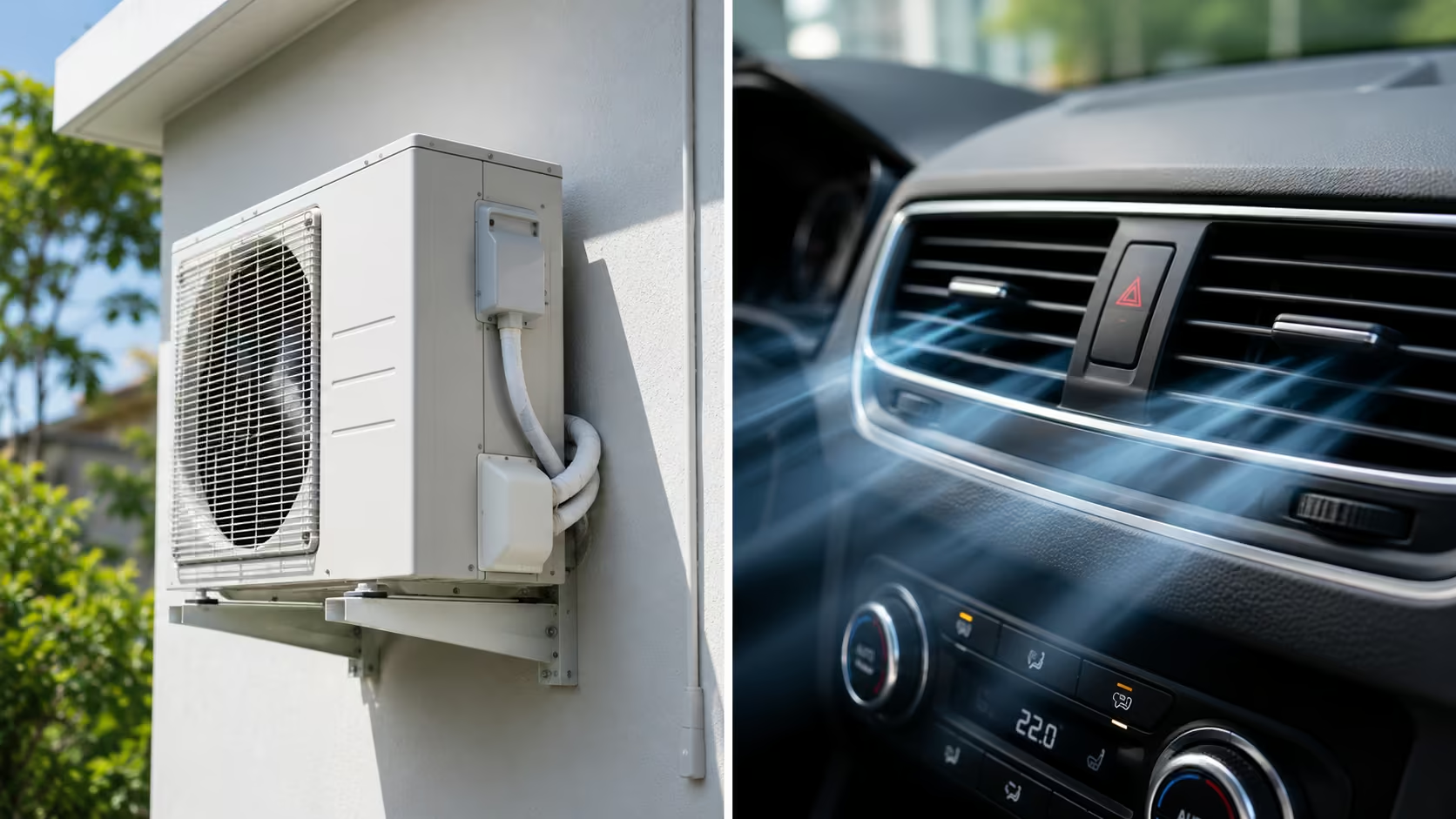

Summer heat has a way of exposing a weak car A/C system fast. One minute the vents blow cold, and the next you are sweating through every red light. Most drivers assume this means an expensive trip to the mechanic, but that is not always true.
A car A/C recharge kit lets you add refrigerant yourself, often for less than the cost of one shop visit. The tricky part is doing it correctly, since a rushed job can overcharge the system or damage the compressor. This guide walks through every step so you can recharge your car’s A/C with confidence and avoid the mistakes that trip up most first-time DIYers.
What You Need Before Starting
Before opening a can of refrigerant, a little preparation saves a lot of frustration later. Rushing this stage is the number one reason DIY recharges go wrong, so take a few extra minutes here.
Confirm Your Refrigerant Type First
Every vehicle uses either R-134a or R-1234yf refrigerant, and they are not interchangeable. Putting the wrong type into your system can damage seals and hoses almost immediately. Check your vehicle’s under-hood sticker or owner’s manual before buying anything, and if your car runs on the older formula, this R-134a automotive refrigerant guide explains exactly what to look for.
Gather the Right Tools
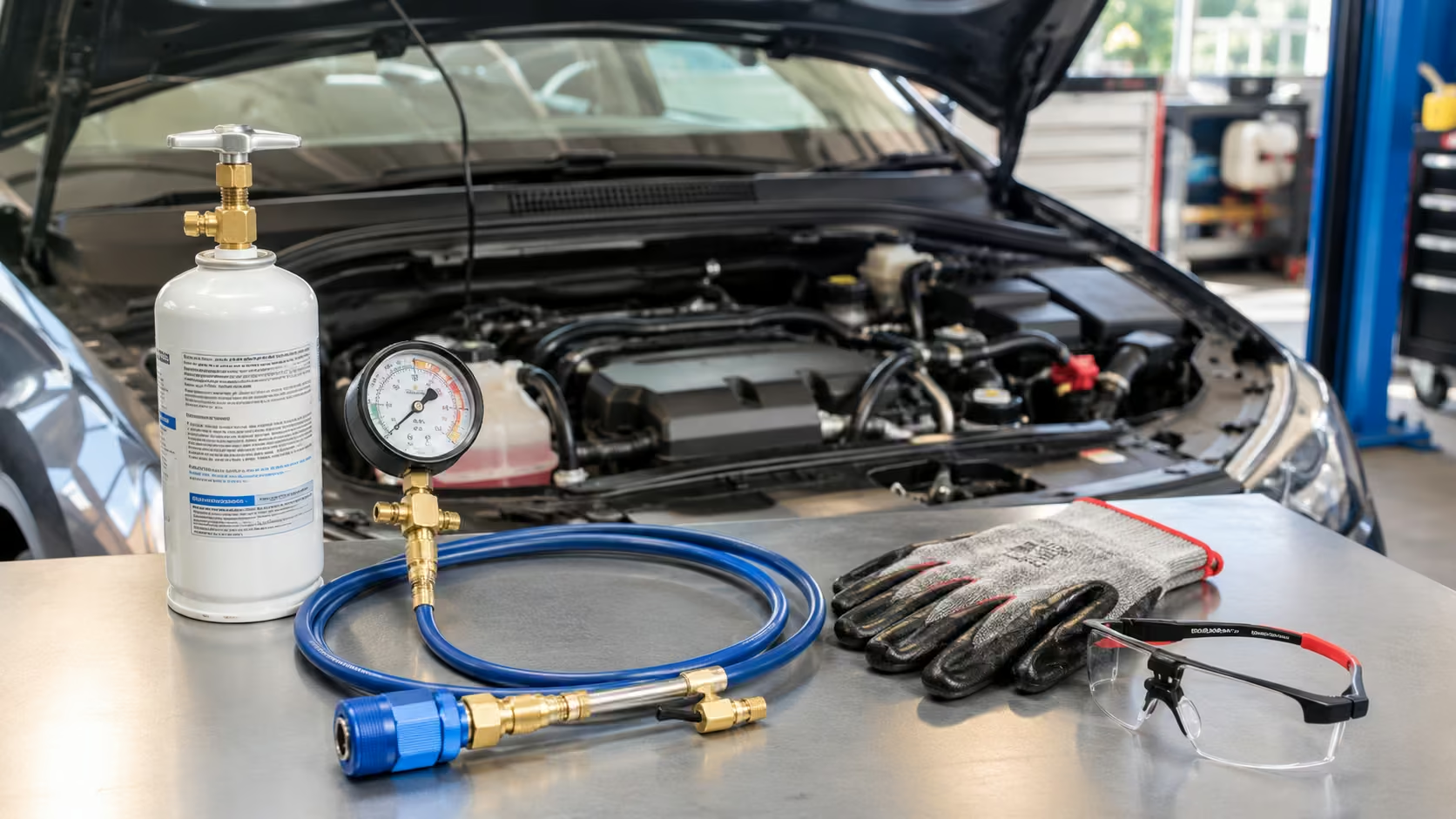
A basic car A/C recharge kit usually includes a can of refrigerant, a pressure gauge, and a hose with a can tap. However, you will also want a clean rag, safety glasses, and gloves nearby. Having everything within reach means you will not need to stop mid-task and search the garage while the can is already connected.
Check the Weather and Engine Temperature
Refrigerant pressure readings only make sense when the outside air is above 55°F and the engine is warm. Cold garages or early morning attempts often give false low readings. As a result, many DIYers think their system needs more refrigerant when it does not. Plan your recharge for a warmer part of the day for the most accurate results.
How to Use a Car A/C Recharge Kit Step-by-Step
Once your tools and refrigerant type are confirmed, the actual recharge process is fairly quick. Most vehicles take fifteen to twenty minutes from start to finish.
Step 1: Locate the Low-Side Port
Every vehicle has a low-pressure service port somewhere in the engine bay, usually near the A/C accumulator or along a larger diameter line. It has a plastic cap and is smaller than the high-side port, which should never be used with a can-style kit. Consult your owner’s manual if you cannot spot it right away, since port locations vary between makes and models.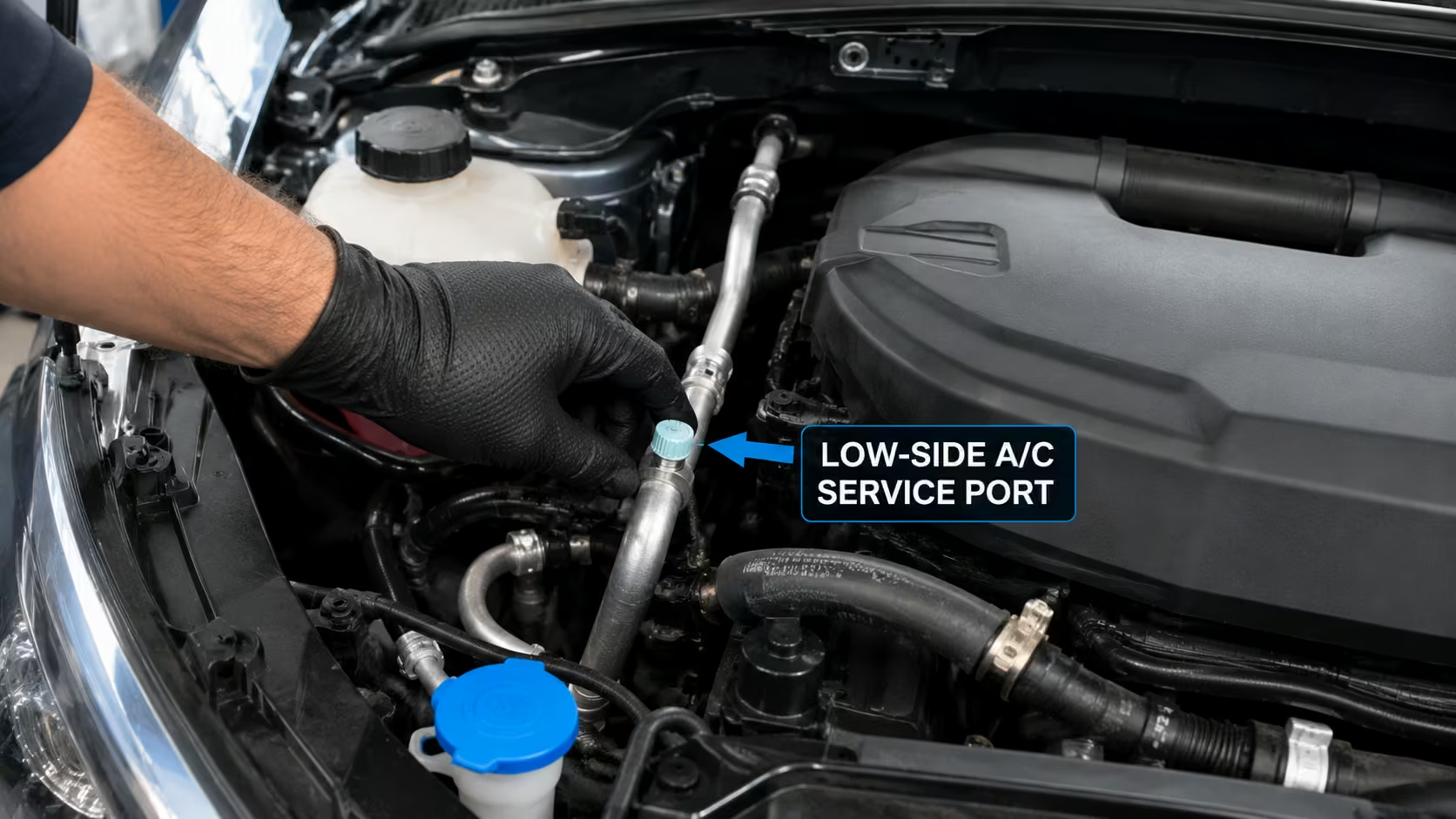
Step 2: Attach the Gauge and Hose
With the engine running and the A/C set to max cold, screw the can tap onto the refrigerant can and connect the hose to the low-side port. Push down firmly until you hear or feel it click into place. A loose connection is one of the most common reasons kits fail to add refrigerant properly, so double-check the fit before moving forward.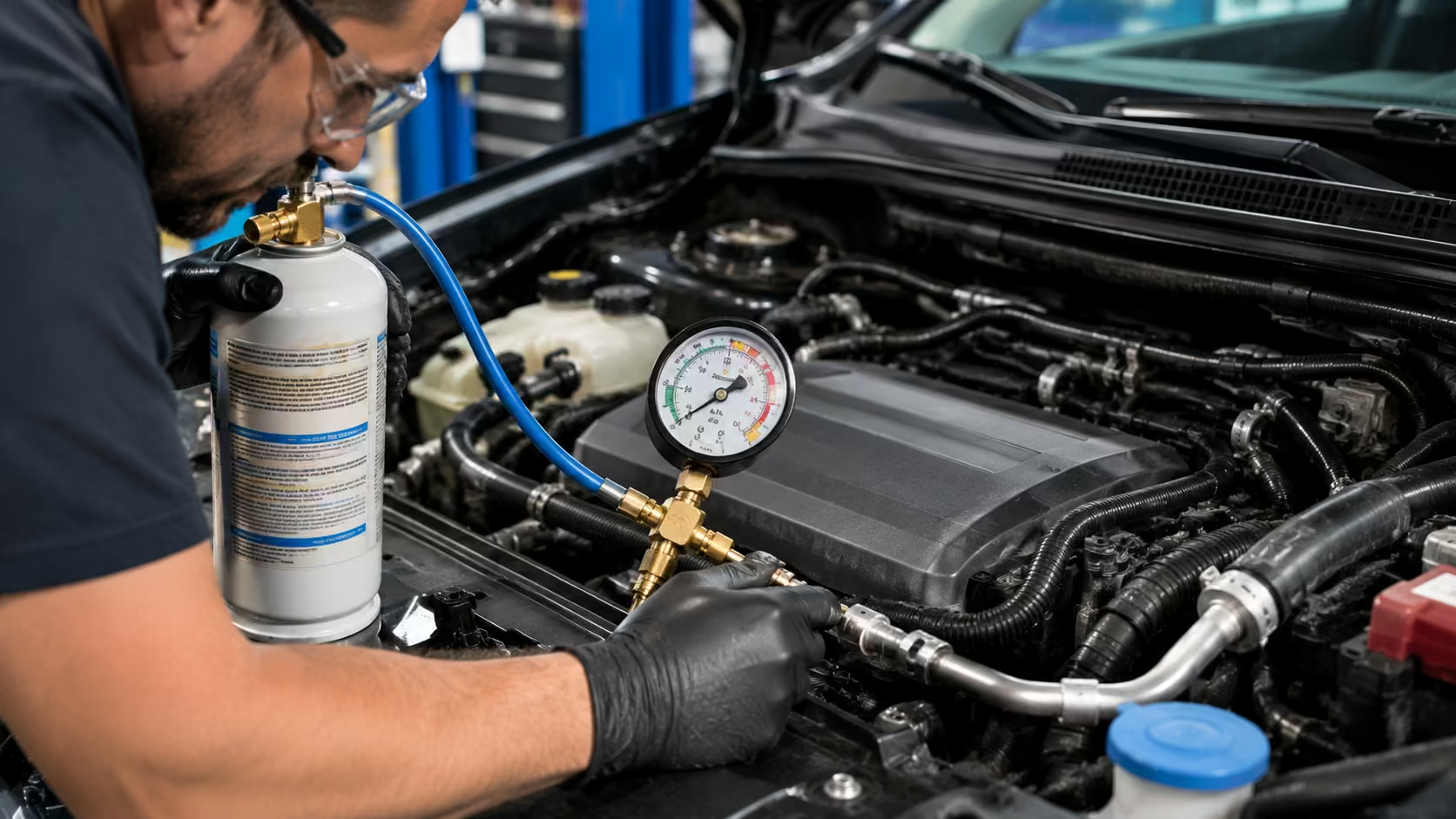
Step 3: Add Refrigerant in Short Bursts
Hold the can upright and squeeze the trigger or open the valve in short bursts of ten to fifteen seconds. Watch the gauge closely between each burst rather than emptying the whole can at once. This slower approach gives the system time to circulate the refrigerant and prevents the sudden overcharging that damages compressors.
Step 4: Monitor the Gauge Continuously
Keep your eyes on the gauge throughout the process, not just at the start. Pressure should rise steadily and settle within the manufacturer’s recommended range as the system reaches equilibrium. If the needle jumps too high too fast, stop immediately and let the system rest before continuing.
Reading the Gauge Correctly
Understanding what the gauge is telling you is arguably more important than the recharge itself. A misread gauge leads directly to overcharging, which is the most damaging mistake a DIYer can make.
Normal Operating Pressure Range
Most R-134a systems should read between 25 and 45 psi on the low side once the compressor is running and the engine is warm. Exact numbers vary by vehicle, so check your specific manufacturer specs when possible. If your reading falls well outside this window, something other than low refrigerant may be the actual problem.
Signs the System Is Overcharging
A gauge that climbs quickly past the recommended maximum, along with a compressor that cycles on and off rapidly, signals overcharging. Warm air returning after the system briefly cools is another red flag. Stop adding refrigerant the moment you notice either sign, since continuing can force pressure into parts never designed to handle it.
When to Stop Adding Refrigerant
Stop once the gauge holds steady in the recommended range and the vents blow noticeably colder air. There is no benefit to adding more once this point is reached, and doing so only raises pressure without improving cooling. Disconnect the hose carefully to avoid losing extra refrigerant into the air.
Common Mistakes That Damage Your A/C System
Even careful DIYers can make errors that cost more than a professional recharge would have. Knowing these mistakes ahead of time helps you avoid repeating them.
Overcharging the System
This is by far the most frequent and expensive mistake. Excess refrigerant raises pressure throughout the entire loop and can blow seals or damage the compressor. If your gauge readings climb too high, our guide on overcharged car A/C symptoms and risks explains what to do next and how to safely correct it.
Ignoring an Existing Leak
A recharge kit adds refrigerant, but it cannot fix a leak on its own. If your system needed a recharge within the last few months, a leak is likely the real cause. Adding more refrigerant to a leaking system only wastes product and delays the actual repair.
Mixing Refrigerant Types
Connecting an R-134a can to an R-1234yf system, or the reverse, contaminates the entire system. This mistake often requires a full professional flush to correct, which costs far more than the recharge kit itself. Always double-check compatibility before your first connection.
Is DIY Recharging Legal and Safe?
Many first-time users assume recharging their own car requires a license, and the truth is more nuanced than that assumption suggests.
What Federal Regulations Actually Say
Small cans of substitute refrigerant like R-134a are specifically exempted from the certified-technician purchase requirement under EPA regulations covering the sale of small cans of substitute refrigerants for use in motor vehicle air conditioners. That means everyday drivers can legally buy and use these cans for simple top-offs. You can review the full rule on the EPA’s refrigerant sales restriction page if you want the official language.
Why You Should Never Vent Refrigerant
Intentionally releasing refrigerant into the air is a separate matter entirely. Federal regulations prohibit individuals from intentionally venting refrigerants or their substitutes while maintaining, servicing, or repairing air-conditioning equipment. Our guide to refrigerant disposal and EPA venting law breaks down what counts as a violation and how to dispose of empty cans correctly. Always connect and disconnect hoses carefully to minimize accidental release, and never puncture a can even after it appears empty.
When a Kit Is Not the Right Tool
If your system has already been recharged more than once, or the compressor makes grinding or squealing noises, a can-style kit will not solve the underlying problem. These situations call for a certified technician who can evacuate, diagnose, and properly recharge the system. Attempting a home fix at this stage often causes more expensive damage down the line.
Choosing the Right Kit for Your Vehicle
Not every recharge kit on the shelf performs the same way, and picking the right one makes the whole process smoother. Price is not always the best indicator of quality.
Digital vs. Analog Gauges
A digital gauge removes much of the guesswork involved in reading pressure, which lowers the risk of overcharging for beginners. Analog gauges are cheaper and still reliable once you know how to read them properly. If this is your first recharge, spending a little extra on a digital option is usually worth it.
Kits with Leak Sealer Included
Some kits include a mild leak sealer designed for very minor seepage through aging seals. This will not repair an actual crack or failed component, but it can slow small leaks temporarily. Weigh this option carefully before you purchase one, since a sealer can mask a leak that really needs a proper repair.
Can Size and Reusable Hoses
Most kits include 12 to 20 ounces of refrigerant, which suits a simple top-off rather than a full system fill. A longer, braided hose also makes reaching the service port far easier on tightly packed engines. These small details often matter more than the brand name printed on the can.
Frequently Asked Questions
How long does it take to use a car A/C recharge kit? Most recharges take between fifteen and thirty minutes, including setup and gauge monitoring time. Vehicles with hard-to-reach service ports may take a little longer.
Can I recharge my car’s A/C without a gauge? Technically some kits skip the gauge, but this is risky since you have no way to confirm proper pressure. A gauge is strongly recommended for every DIY recharge attempt.
How do I know if my car uses R-134a or R-1234yf? Check the under hood sticker near the radiator support, which lists the required refrigerant type. Most vehicles from 2021 and later use R-1234yf, while older models typically use R-134a.
What happens if I put the wrong refrigerant in my car? Mixing refrigerant types can damage seals, hoses, and the compressor almost immediately. If this happens, the system usually needs a professional flush before it can be safely recharged again.
Is it normal for the compressor to cycle on and off? A little cycling is normal, but rapid, frequent cycling often points to overcharging or a failing compressor clutch. Stop adding refrigerant if you notice this happening.
Can a recharge kit fix a slow leak? A kit with leak sealer may temporarily slow a very minor seep through old seals. It cannot repair a cracked line, a failed hose fitting, or a damaged component.
How often should I need to recharge my car’s A/C? A properly sealed system should not need frequent recharges at all. Needing one every few months usually signals a leak that a kit alone cannot fix.
Is it legal to recharge my own car’s A/C? Yes, small cans of substitute refrigerant for motor vehicle systems are exempt from the certified-purchaser requirement under federal rules. Just make sure never to intentionally vent refrigerant during the process.
Final Thoughts on DIY A/C Recharging
Recharging your own car’s A/C is a manageable weekend project once you understand the process and respect the gauge readings. The biggest risks come from rushing, skipping the refrigerant type check, or ignoring warning signs like rapid compressor cycling. Slow down, watch your pressure readings, and stop the moment something looks off.
If your system needs more than a simple top-off, or you are unsure which kit fits your vehicle, our team at Smart Refrigerants can help you find the right refrigerant and accessories for the job. Browse our automotive refrigerant supply to get everything you need in one place before your next recharge.